South African Village Shows How Faith Unites Communities
When 105-year-old Zwelibi Jack Ngubane died in rural South Africa, his Christian family honored his wish for a Muslim burial without controversy. His story reveals how small communities are quietly building interfaith harmony while online debates rage elsewhere.
When Zwelibi Jack Ngubane reached 105 years old, he had one clear wish: he wanted a Muslim funeral in a Christian village. His family made it happen, and what followed showed the power of community over conflict.
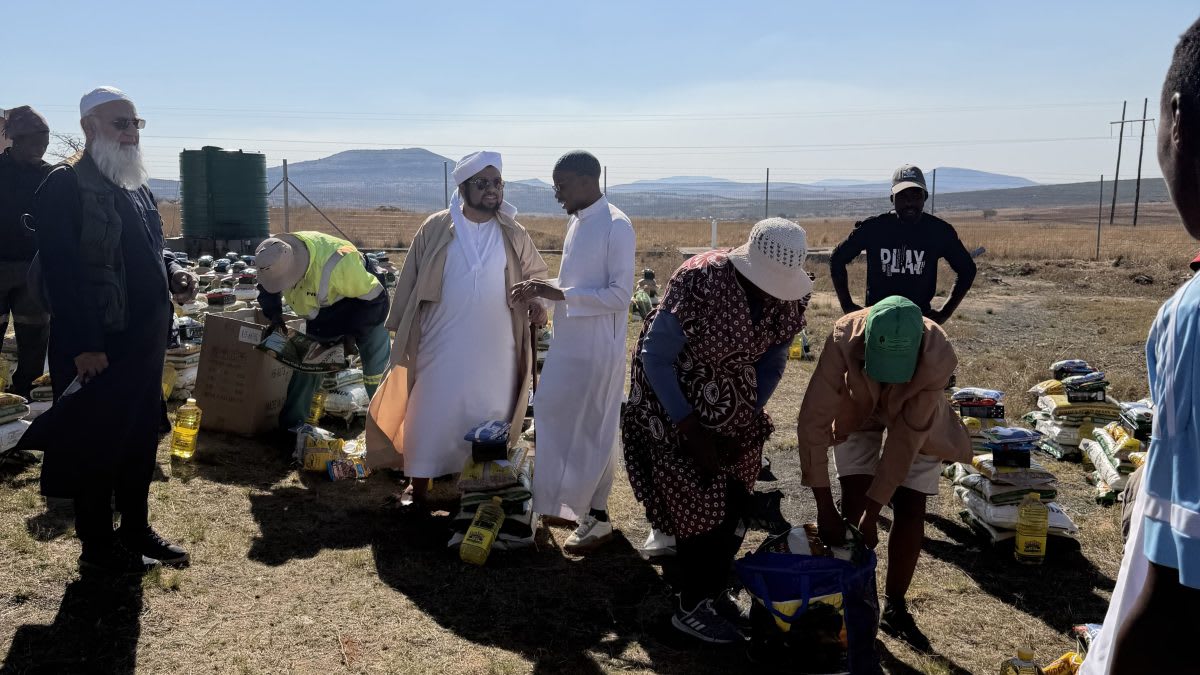
Hundreds gathered in Nquthu, a rural area in northern KwaZulu-Natal, South Africa, where Christianity and traditional African beliefs dominate. Muslims represent a tiny fraction of the population, yet when Ngubane converted to Islam late in life after watching his grandson practice the faith, his neighbors responded with curiosity rather than criticism.
His family conducted full Muslim burial rites before laying him to rest in the family plot. For many attending, it was their first exposure to Islamic practices, but the funeral proceeded peacefully and respectfully.
Ngubane's grandson, Khethukuthula Dlame, converted to Islam as a teenager in 2012. Now 26, he's one of only a handful of Muslims in his village, and his neighbors tease him about his traditional Islamic clothing looking like a dress. The gentle ribbing reflects acceptance, not animosity.
"In these communities, there's harmony and respect. People really respect my religion," Dlame told reporters while standing at his grandfather's gravesite.
His sister Samukelisiwe Ngubane remembers her first encounters with Muslims through Indian shopkeepers in nearby towns. "We have never had a problem," she said. "Some people are curious about what they do, but there have been no problems."
The Bright Side
While social media amplifies divisive voices, real communities are quietly writing a different story. Muslims make up less than two percent of South Africa's population, but their presence stretches back centuries through trade, migration, and cultural exchange.
Political analyst Thembisa Fakude notes that online rhetoric doesn't reflect everyday reality for most South Africans. "There is no widespread or orchestrated Islamophobia directed towards Muslims," he explains, distinguishing between internet noise and actual community relations.
The contrast between digital discourse and ground-level harmony suggests something hopeful: the loudest voices online may not represent what's happening in neighborhoods, villages, and families.
Dlame believes the difference comes down to proximity. "If you're looking at people when they're mobilizing, it's not people from the villages," he observes. Real relationships create understanding that anonymous online spaces often lack.
In Nquthu's rolling hills, a grandfather's final wish became a bridge between faiths, proving that respect grows best where people actually know each other.
Based on reporting by Al Jazeera English
This story was written by BrightWire based on verified news reports.
Spread the positivity!
Share this good news with someone who needs it