%2Ffile%2Fattachments%2Forphans%2Ftonydurbanmonster5interiorofadatacentreSourceSwitch_764378.jpg)
South Africa's Data Center Boom Creates 8,000 Jobs
Data centers are transforming South African cities into global tech hubs while creating thousands of jobs and driving infrastructure upgrades. Local manufacturers are seizing the opportunity to build an African-led industrial base.
📺 Watch the full story above
South Africa's data center explosion is doing something unexpected: it's turning the country into a manufacturing powerhouse while solving its electricity challenges.
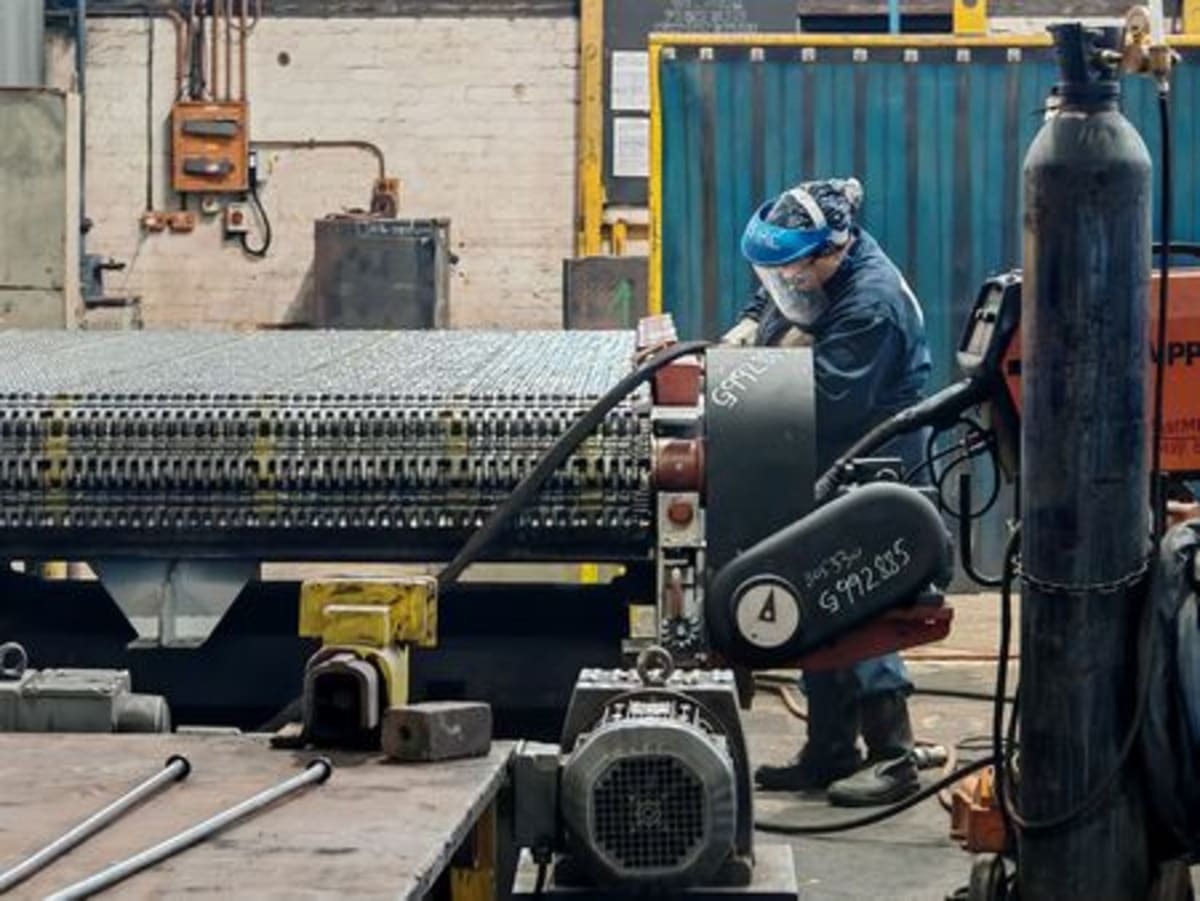
Companies like Actom are hiring big to meet surging demand. The manufacturing group now employs 8,000 people across South Africa, building everything from transformers to battery storage systems with up to 100% local content.
The momentum started when tech giants needed reliable power for their massive server farms. Netflix's data center at Cape Town Film Studios, for instance, requires two utility-scale transmission cables just to keep the lights on.
Cities that can provide this infrastructure are winning big. "It helps put the city on the global map and integrates it into a massive worldwide ecosystem," explains Kovilan Naicker, manager at Hitachi Energy's Grid Automation unit. These facilities guarantee steady revenue for municipalities because they run 24/7, consuming megawatts around the clock.
Local manufacturers aren't just building parts. They own the intellectual property and design, making South Africa a genuine tech exporter rather than just an assembler of foreign products.
Actom CEO Mervyn Naidoo sees even bigger potential ahead. "The intent is to localize so that the demand in those economies is actually satisfied and built by African people, in Africa, for Africa," he told reporters at the Enlit Africa energy conference.
The company now manufactures battery storage systems, imports only the cells, and provides cradle-to-grave service for all its equipment. That means South African workers design it, build it, install it, and maintain it for decades.
The Ripple Effect
This boom is creating opportunities beyond factory floors. Actom partnered with the Department of Basic Education to tutor students in math and science, then funnels them into apprenticeships, university bursaries, and engineering programs.
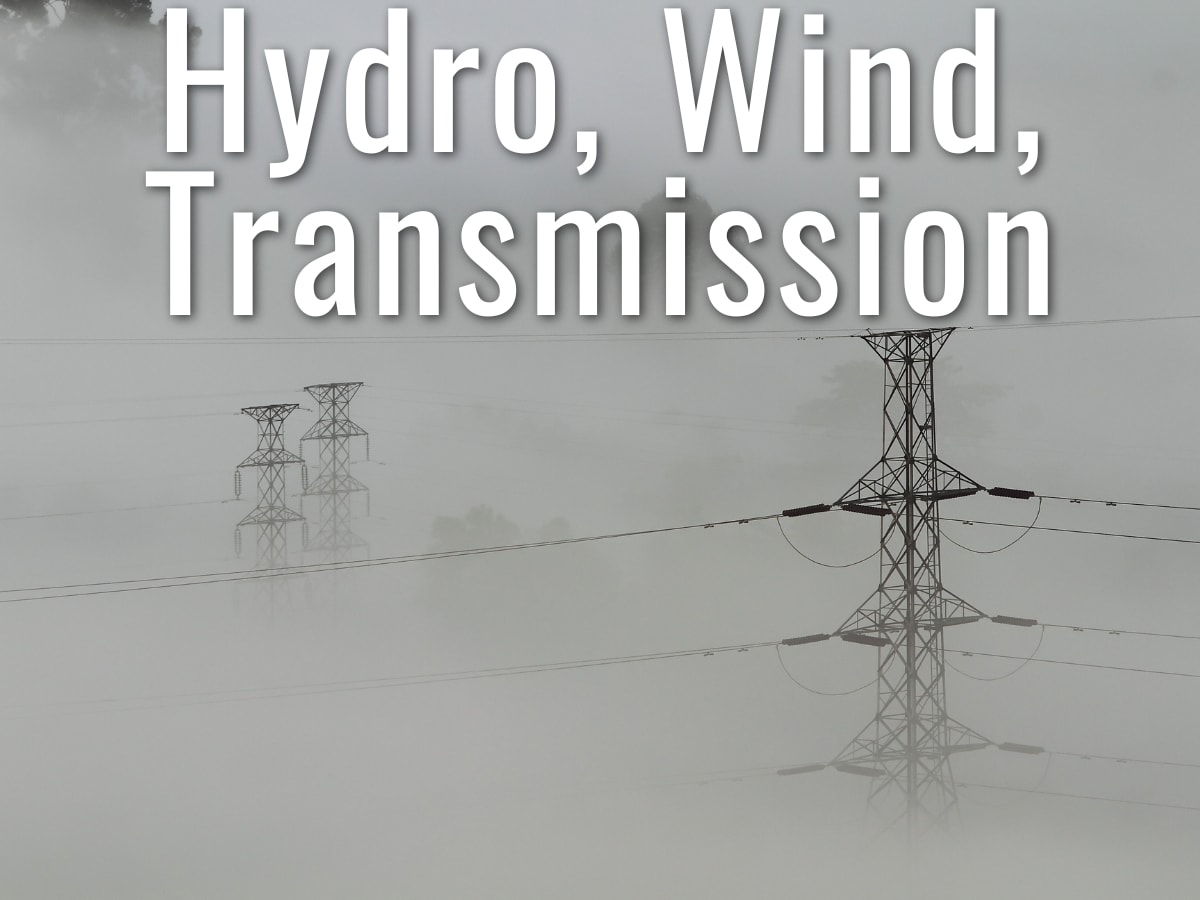
The national transmission expansion through 2035 will require 14,000 kilometers of new power lines. The R440 billion budget already includes salaries for the engineers needed to build it, many of whom are in school today.
International equipment makers are taking notice too. Eskom's 10-year development plan gives global suppliers confidence to commit manufacturing capacity to South Africa, according to Stuart Michie, Hitachi Energy's sales head for sub-Saharan Africa.
The transformation shows how solving one problem can unlock solutions to others: data centers need power, power infrastructure needs workers, and workers need training that creates lasting careers.
More Images


%2Ffile%2Fattachments%2F2992%2FPHOTO-2026-05-20-18-11-172_673031.jpg)
Based on reporting by Daily Maverick
This story was written by BrightWire based on verified news reports.
Spread the positivity!
Share this good news with someone who needs it
%2Ffile%2Fattachments%2Forphans%2F17Aug_Featureimage_Bhekisisateam_419702.jpg)