%2Ffile%2Fattachments%2F2988%2FKAHRERenewableEnergyGroup_Extreme_high-angle_cinematic_drone_shot_positioned_dd5e8d01-e1b6-4079-956f-1eba9eeb4120_435780.png)
South Africa's $50B Green Energy Corridor Creates 40K Jobs
A private company is building a massive renewable energy highway from South Africa's sunny deserts to its coastal ports, bypassing the country's struggling power grid. The project promises ultra-cheap electricity and 40,000 new jobs while creating an entire eco-city powered by sun and wind.
South Africa is getting a privately built renewable energy superhighway that could change how the entire continent thinks about power.
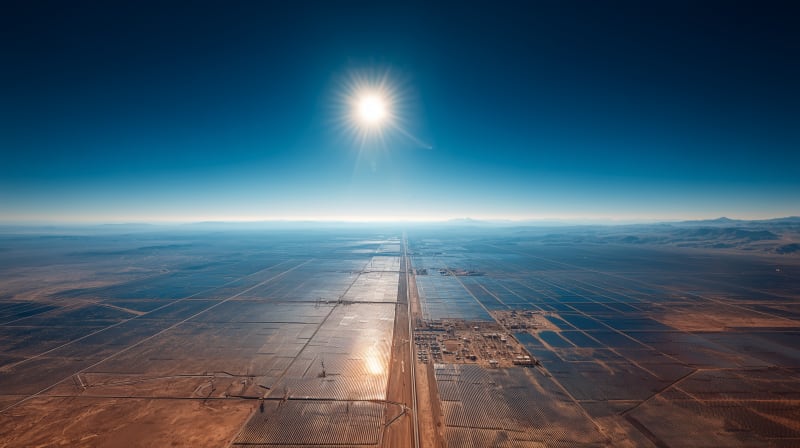
The Kahre Renewable Energy Group announced a $50 billion plan to connect the Northern Cape's abundant solar and wind resources directly to industrial ports 450 kilometers away. The "desert-to-port" corridor sidesteps the country's overloaded national grid, which has left billions in potential green energy stranded in remote areas with no way to reach cities.
The numbers are staggering. The project will generate 40,000 direct jobs and 120,000 indirect jobs across construction, operations, and manufacturing over the next 15 years. At full scale, it will produce 20 gigawatts of hybrid solar and wind power—enough to transform South Africa's energy landscape.
Here's where it gets exciting: the cost of electricity will be dramatically lower than anything currently available. CEO Dominic Kahre says solar power from the Northern Cape will cost less than 1.5 cents per kilowatt hour, compared to the 50 cents South African households currently pay.
The project includes four integrated pieces. The KTE Energy hub sits on 85,000 hectares of desert, capturing extreme sunshine during the day and powerful winds at night. Greenlink, a private transmission pipeline, runs alongside an existing railway to avoid years of bureaucratic delays. At the coast, a massive desalination plant will produce 150 million liters of fresh water daily while creating green hydrogen and aviation fuels for export through Saldanha Bay.
The plan even includes EcoVision, an entirely new renewable-powered city near Velddrif designed to house 150,000 people by 2039. Residents will live in what planners call a "15-minute city," where everything they need sits within a short walk or bike ride.
The Ripple Effect
This project represents more than cheap electricity. It's a blueprint for how developing nations can leapfrog outdated infrastructure by letting private investment build modern systems from scratch.
Western Cape Premier Alan Winde says the model could finally unlock renewable projects across Africa that have been stuck waiting for government grids to catch up. As countries worldwide race toward net-zero emissions, South Africa's experiment in private green infrastructure could light the way forward—literally.
Clean energy at prices that once seemed impossible, tens of thousands of jobs in a country that desperately needs them, and a working model for others to follow.
More Images

%2Ffile%2Fattachments%2F2988%2FKAHRERenewableEnergyGroup8_827145.jpeg)
Based on reporting by Daily Maverick
This story was written by BrightWire based on verified news reports.
Spread the positivity!
Share this good news with someone who needs it