%2Ffile%2Fattachments%2Forphans%2F1_601656.jpg)
South Africa's New Food Donation Standard Tackles Waste
South Africa just published its first national framework for food donation, clearing up confusion that sent millions of tonnes of safe food to landfills instead of hungry families. The new standard could help feed a nation where nearly two-thirds of households struggle with food insecurity.
Every day across South Africa, safe food gets destroyed because nobody was quite sure if donating it was legal, safe, or worth the liability risk.
That just changed. The South African Bureau of Standards released Sans 2088 in April, the country's first comprehensive guide for food donation and redistribution. It's now open for public comment until mid-June.
The numbers tell a stark story. South Africa wastes over 10 million tonnes of edible food annually while 63.5% of households face food insecurity. Nearly half that waste happens at factories and processing plants, where fear of lawsuits and confusion about safety made throwing food away easier than giving it away.
The biggest confusion? Those dates stamped on packaging. "Best before" means quality might decline but the food stays safe. "Use by" is the hard safety deadline. "Sell by" just helps stores manage inventory.
Andy du Plessis from FoodForward SA spent three years pushing for this standard. "Industry partners were not clear on what can be donated or how to navigate date labeling issues," he said. When companies aren't sure, they discard rather than risk it.
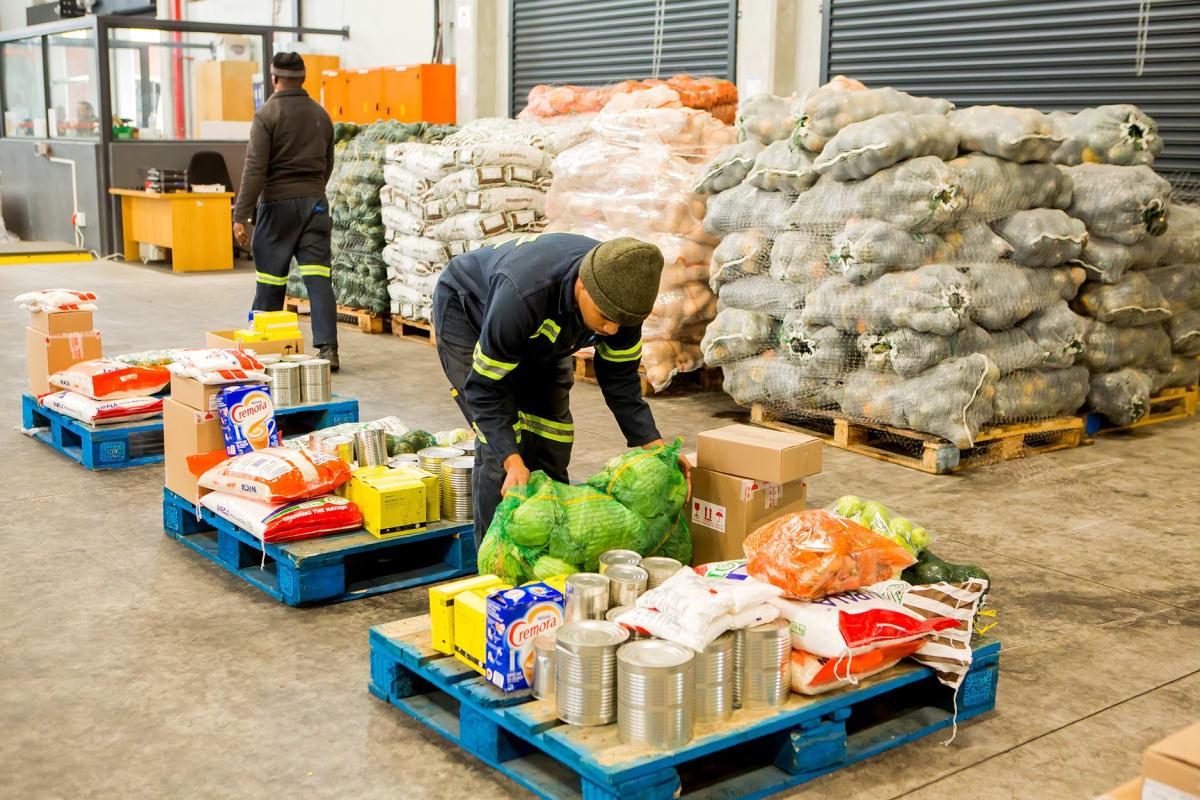
The new framework does more than clarify dates. It maps out exactly who's responsible for what at every step, from the factory loading dock to the community food bank. Donors need certificates of acceptability. Staff need food hygiene training. Every donation needs tracking records with batch numbers, temperatures, and transaction dates.
Trucks carrying donated food must stay clean and can't haul food alongside waste or live animals. Organizations receiving donations need proper cold storage capacity. For the first time, everyone knows the rules.
The Ripple Effect
The standard creates confidence where there was only confusion. Ozzy Nel from SA Harvest explained that donors needed assurance their partners could handle food safely. Now they have it.
The framework even establishes priorities: preventing waste comes first, but when surplus happens, feeding people ranks above composting or animal feed. It's a hierarchy that puts human dignity at the top.
Trishay Naidoo from the South Africa Community Food Bank noted that before this standard, every donor had different requirements, creating chaos across the sector. Now there's consistency.
The standard remains voluntary for now, with no current plans to make it mandatory. Dr. Sadhvir Bissoon from Sabs says it aims to support "a more structured, consistent and effective approach" across the country.
South Africa committed to halving food waste by 2030. This framework just gave that goal a real fighting chance, one clarified date label and documented donation at a time.
More Images

%2Ffile%2Fattachments%2Forphans%2F2_167478.jpeg)
Based on reporting by Daily Maverick
This story was written by BrightWire based on verified news reports.
Spread the positivity!
Share this good news with someone who needs it


%2Ffile%2Fauthors%2F8112874701415423629.jpg)