South Africa's Rare Growing Kelp Forest Gets Protection Push
Scientists are racing to document South Africa's Great African Seaforest, one of the few kelp forests on Earth that's actually expanding. Their mission: catalog 1,001 species to inspire protection for this underwater wonderland stretching 800 miles along the coast.
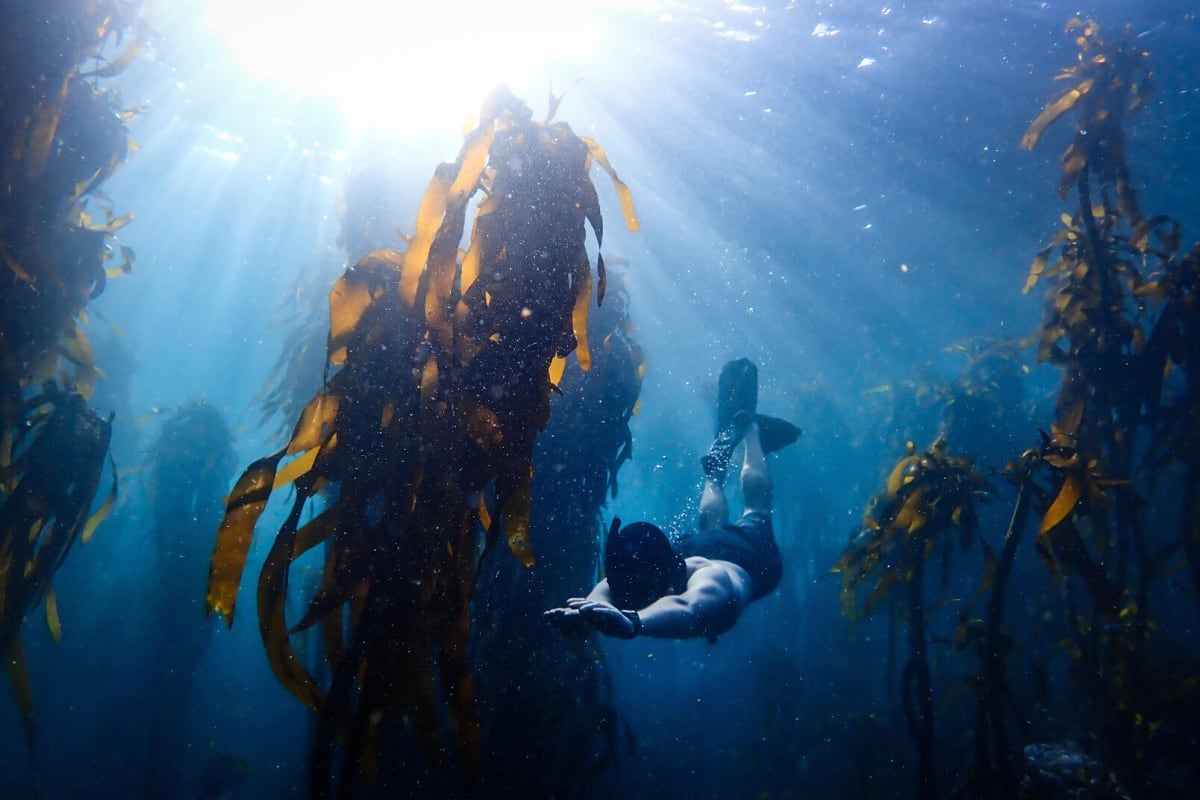
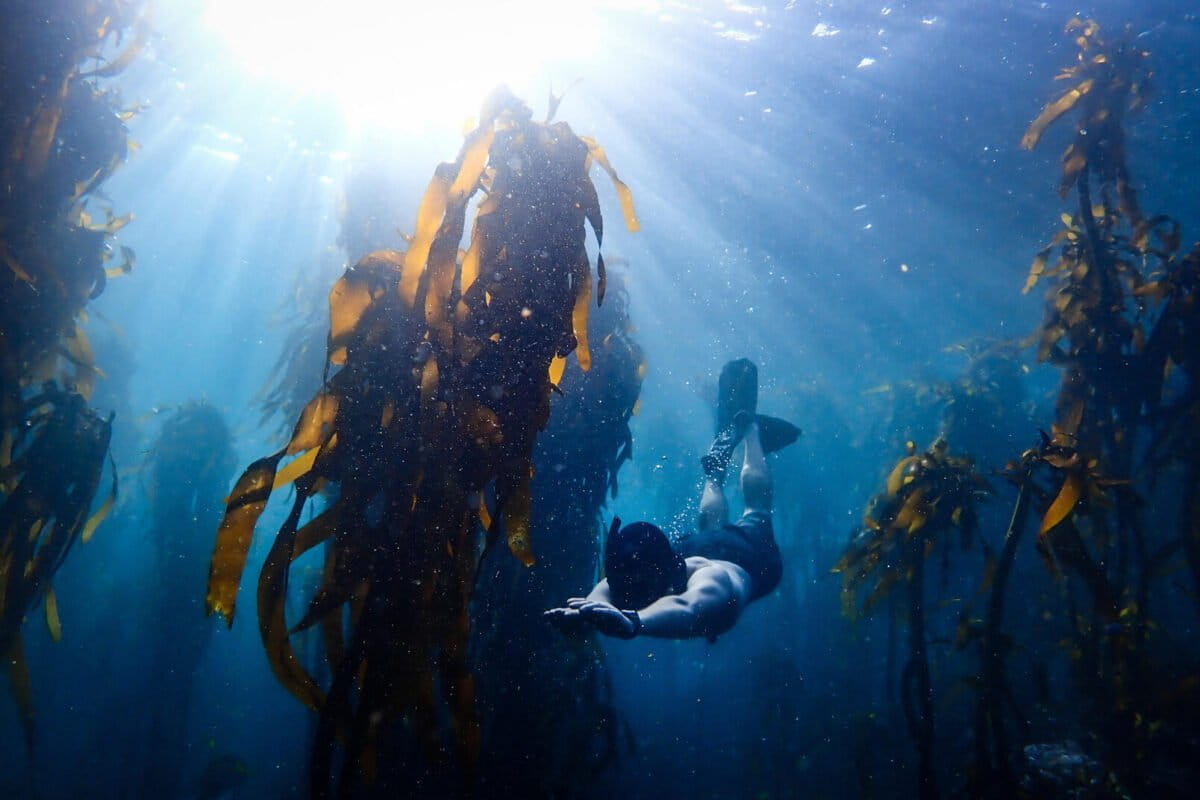
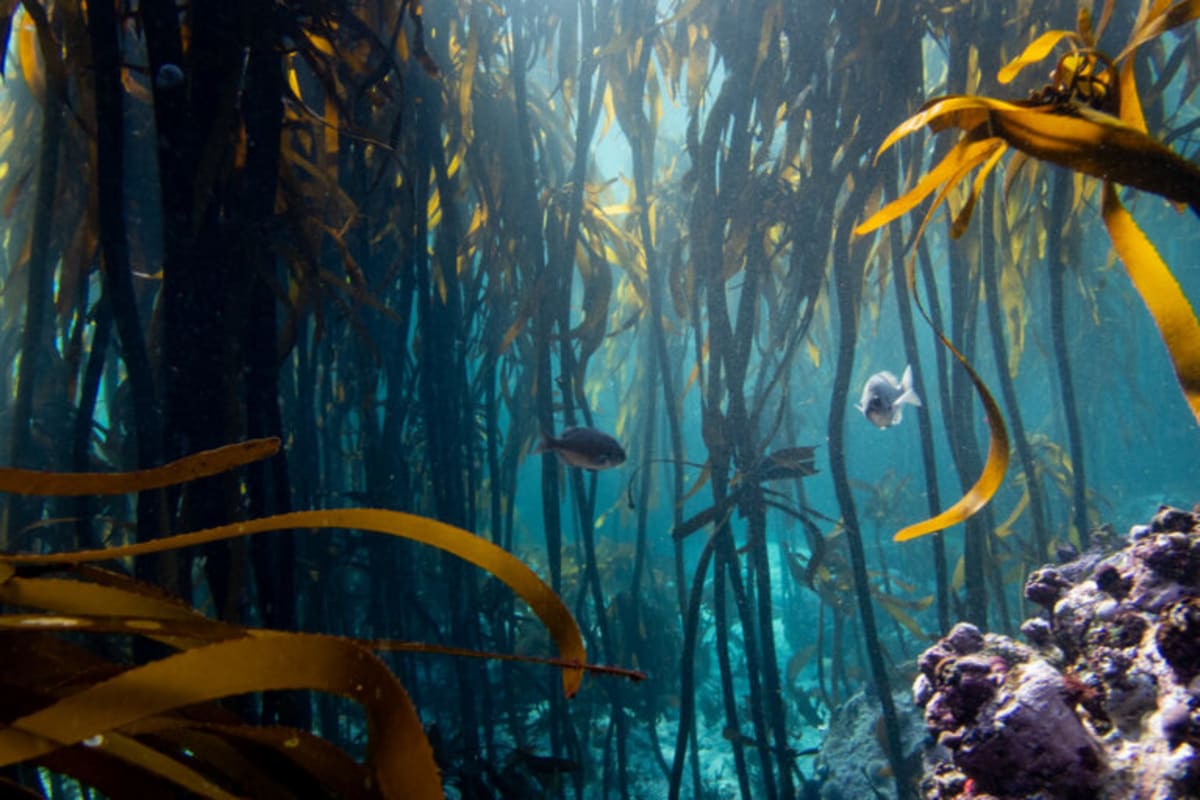
Imagine diving into an underwater forest where fish glide through towering kelp like birds through trees, while snapping shrimp fill the water with popping sounds. This isn't fantasy. It's the Great African Seaforest, and scientists just mapped all 800 miles of it.
Stretching along South Africa's coast from the Atlantic to the Indian Ocean, this kelp forest is thriving while most others worldwide are shrinking. The ecosystem burst into global spotlight after Netflix's "My Octopus Teacher" won an Academy Award, but marine biologists have known for years it was special.
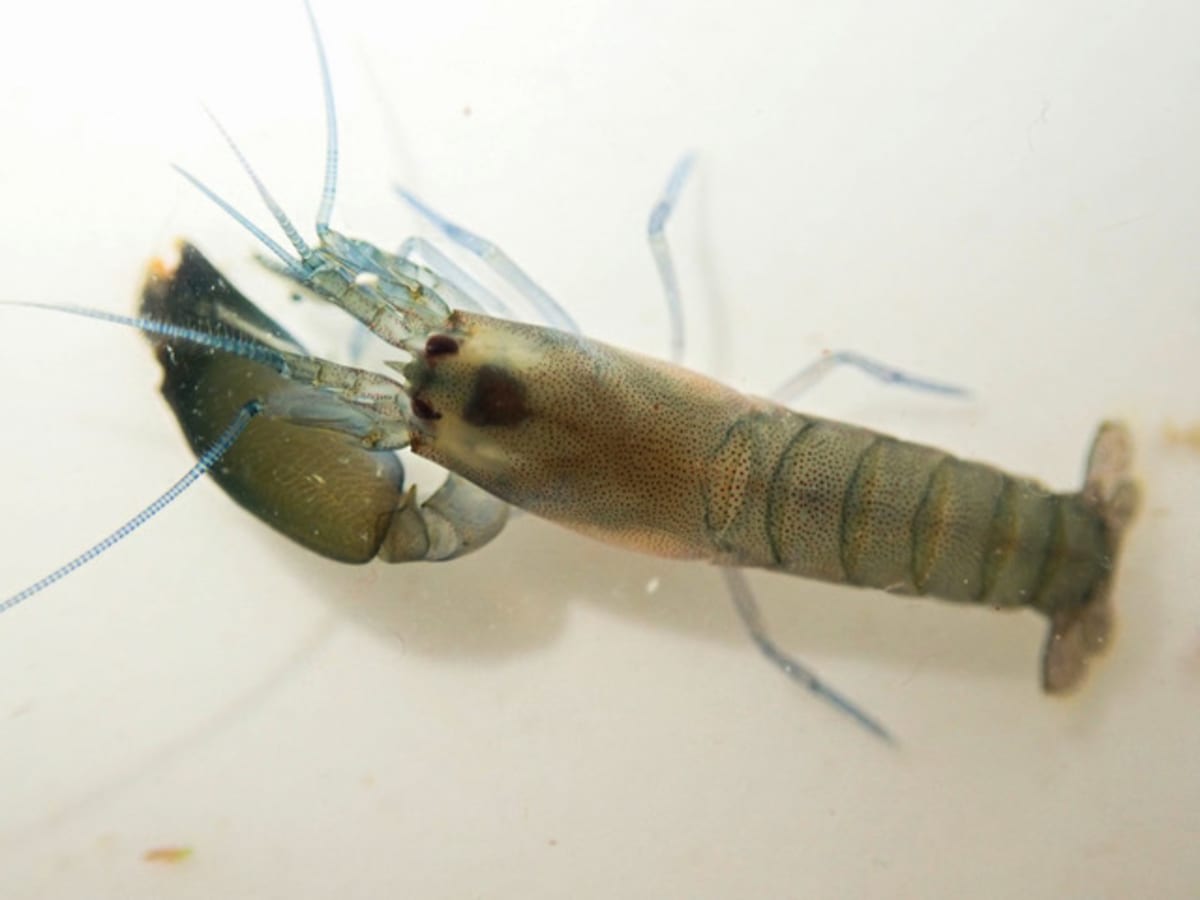
Marine biologist Loyiso Dunga helped map the entire forest using satellites. "You can't really protect what you don't know," he says. His work revealed hundreds of seaweed varieties hosting thousands of species, from neon-pink shrimp to African penguins to more than 20 kinds of limpets found nowhere else on Earth.
Despite its biodiversity, most of the Great African Seaforest lacks formal protection. Globally, less than 2% of kelp forests have strong safeguards, even though kelp covers 30% of the world's coastlines and generates up to $562 billion yearly in benefits like boosting fisheries and capturing carbon dioxide.
Researcher Nasreen Peer studies tiny creatures living in kelp holdfasts, the bulbous root-like structures anchoring these underwater giants. These small organisms recycle nutrients and filter water, keeping the forest healthy enough to absorb more carbon from the atmosphere. Some species she works with have never been studied before, requiring her to build entire classification systems from scratch.
THE RIPPLE EFFECT
The team's centerpiece effort launches in 2027: an app called 1001 Seaforest Species. Users can browse thousands of species with photos and videos, bringing this hidden world to South African communities living along the coast.
Taxonomist Jannes Landschoff leads the app project. "My hope is that people can access biodiversity that is really out there, instead of looking for animals with big eyes," he says. He wants people to marvel at creatures like the kelp limpet, a sea snail that lives exclusively on bamboo kelp stipes deep underwater.
The work faces funding challenges since ocean research costs serious money. But researchers believe documenting this biodiversity will spark both international recognition and local pride. The approach emphasizes community engagement, a crucial shift from South Africa's apartheid era when conservation meant forcibly removing people from coastal areas.
South African scientists are betting that once people see what lives in their ocean backyard, they'll want to protect it for generations to come.
More Images
Based on reporting by Mongabay
This story was written by BrightWire based on verified news reports.
Spread the positivity!
Share this good news with someone who needs it