South Africa's Solar Shift Reveals Energy Inequality Gap
New research from the University of Cambridge shows how South Africans are moving off the electricity grid in three distinct ways, but the trend is exposing deep inequalities that echo the country's apartheid past. The findings offer crucial insights for cities worldwide facing similar energy transitions.
South Africans are finding creative ways to keep their lights on, but a groundbreaking study reveals these solutions look drastically different depending on which neighborhood you live in.
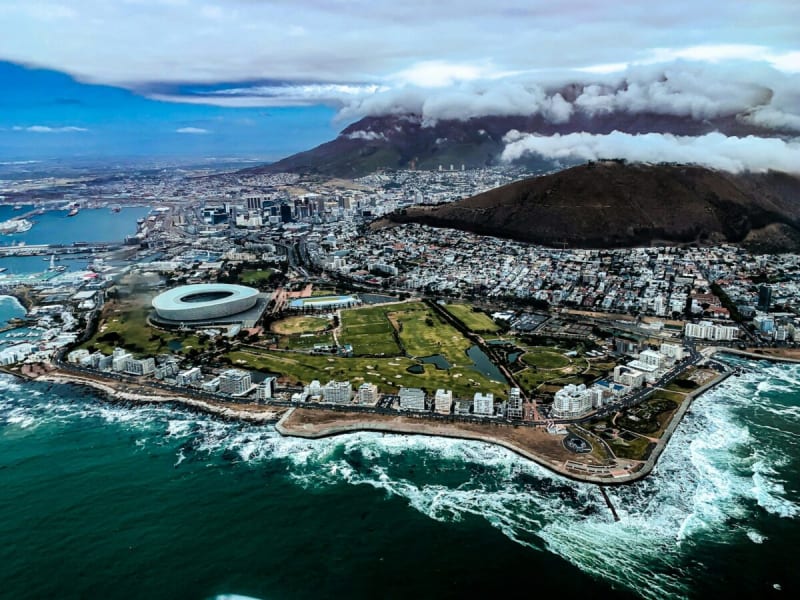
University of Cambridge researcher Joanna Watterson spent months in Cape Town and Johannesburg neighborhoods, from wealthy suburbs to informal settlements, documenting how households are breaking free from unreliable electricity grids. What she discovered goes beyond solar panels and backup batteries. It's a story about who gets to choose independence and who has no choice at all.
Watterson identified three distinct paths people are taking. The wealthiest households, about 1% of the population, are achieving complete "secession" with expensive solar systems and large battery banks. They're tired of blackouts and can afford the escape route.
At the other end, roughly 4% to 5.5% of households face "marginalization." These families in townships and informal settlements can't afford grid connection or live where infrastructure simply doesn't reach. They rely on firewood, paraffin, and sometimes dangerous informal electrical connections just to survive.
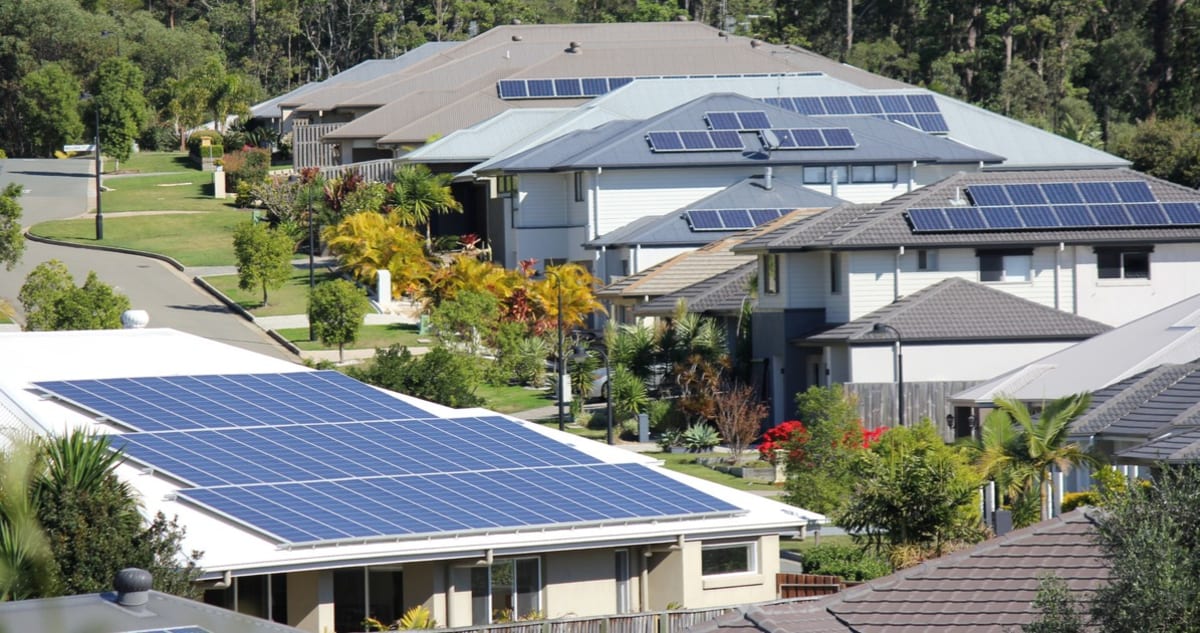
The middle ground, called "supplementation," is where most South Africans now find themselves. Middle and upper income homes add inverters and solar panels to handle frequent power cuts. Lower income families patch together whatever energy sources they can access, often at great risk.
Why This Inspires
Despite revealing stark inequality, this research gives cities a roadmap for change. Watterson's framework helps urban planners see exactly where energy policies succeed and where they fail vulnerable communities.
Her work shows that decentralized energy like solar power isn't automatically good or bad. It depends entirely on whether governments design policies that lift everyone up or leave the poorest behind. When municipalities block solar minigrids in informal settlements while encouraging rooftop solar in suburbs, they're choosing winners and losers.
The study matters far beyond South Africa too. Cities across the Global South and post-colonial nations face similar challenges as they modernize aging power grids and transition to renewable energy. Watterson's three categories give them a lens to evaluate whether their energy transitions promote justice or deepen divides.
South Africa envisioned its post-apartheid electricity grid as a great equalizer, a public good that would connect every citizen to opportunity. This research shows that vision still matters. Getting energy transitions right means ensuring technology serves democracy, not just those who can afford the best backup batteries.
The path forward requires honest assessment of who benefits from current policies and deliberate choices to reach those left in the dark.
More Images

Based on reporting by PV Magazine
This story was written by BrightWire based on verified news reports.
Spread the positivity!
Share this good news with someone who needs it