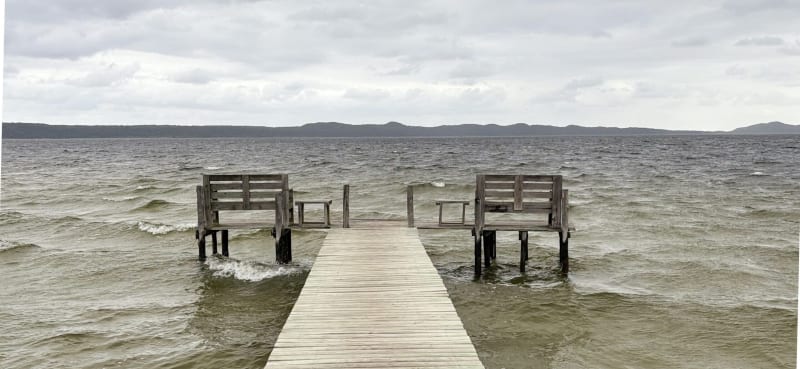
South Africa's Thonga Keep 400-Year Fishing Tradition Alive
Despite being displaced from their ancestral lands 40 years ago, South Africa's Thonga people are finding creative ways to preserve a centuries-old sustainable fishing method. Three generations of fishermen now share their ecological wisdom through tourism, keeping their culture vibrant for the future.
For over 400 years, the Thonga people have practiced a fishing technique so clever it protects tomorrow's fish while feeding families today.
At Kosi Bay on South Africa's northeast coast, 28-year-old Fano Tembe demonstrates the traditional spear-fishing method to tourists, holding the pole exactly as his father, grandfather, and great-grandfather taught him. His people have used this unique fish trap system for centuries, possibly dating back 700 years according to local knowledge.
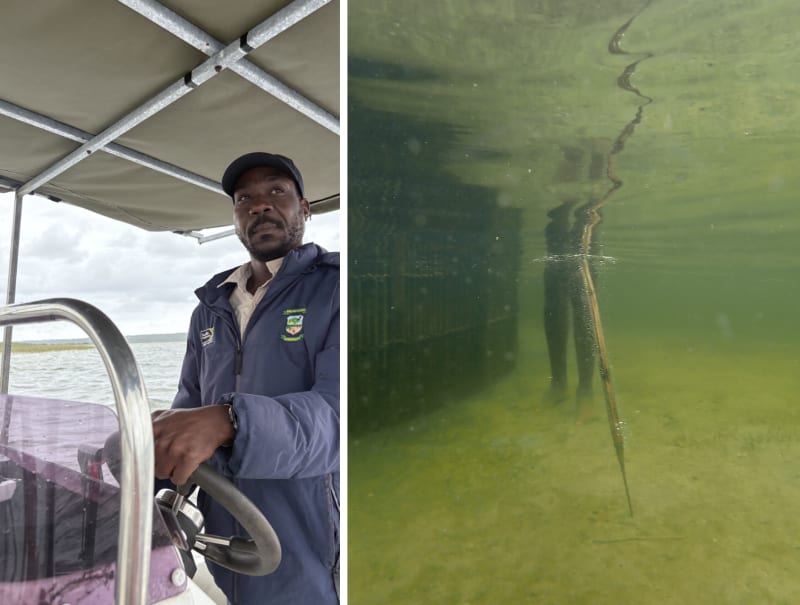
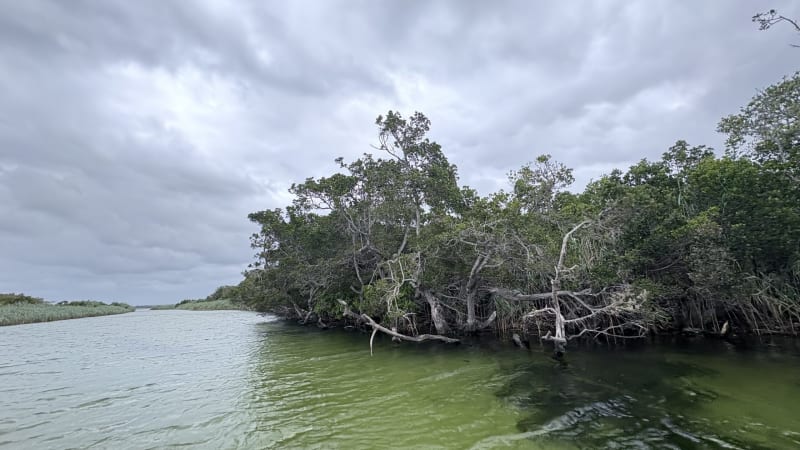
The traps themselves are marvels of sustainable design. Curved fences made from mangrove poles guide fish from migrating shoals into funnel-shaped baskets. The genius is in the gaps at the bottom, sized perfectly to let smaller juvenile fish wiggle through and continue their journey while only capturing mature fish.
This careful approach ensures that young fish can return to replenish the lake population after spawning at sea. It's ecological wisdom passed down through generations, protecting fish stocks with an incredibly light touch.
But keeping this tradition alive has become harder since the late 1980s. When the area became the Kosi Bay Nature Reserve and later part of iSimangaliso Wetland Park, South Africa's first UNESCO World Heritage Site, families were forced to move away from the lakeshores where they'd lived for generations.
Many fishermen still tend their ancestral traps, but now they must travel from outside the park. The journey is expensive, and filling a fuel tank from the sale of a handful of fish is nearly impossible for some families.
Why This Inspires
Rather than letting their culture fade, the Thonga people are adapting. Fishermen like Tembe and 37-year-old Mthokozisi Nsele now run tourism operations, sharing their deep knowledge of the lakes and their sustainable fishing wisdom with visitors from around the world.
Nsele, who operates Kosi Thonga Safaris, grew up tending traps and still has family in the fishing tradition. He explains to tourists how the weather and fish migration patterns work together, knowledge his people have observed for centuries. When the windy, dusty conditions of uNtulikazi (July) arrive, the mullet fish come, called "ntuli" in the local language.
Women traditionally gathered on the shore during these times, knowing the men would return with abundant catches. Today, extra fish still go to local women who sell them at nearby markets, keeping community connections alive.
Through tourism, these fishermen are ensuring that their children will understand the kraals, the spears, and the deep ecological knowledge that makes this fishing method sustainable. They're turning displacement into opportunity, transforming ancient wisdom into a living, breathing cultural experience that visitors will remember and share.
The Thonga fishing tradition isn't just surviving in the modern world. It's thriving in a new form, inspiring people across the globe with proof that sustainability and tradition can walk hand in hand into the future.
More Images
Based on reporting by Mongabay
This story was written by BrightWire based on verified news reports.
Spread the positivity!
Share this good news with someone who needs it
%2Ffile%2Fattachments%2Forphans%2FPafuriwreckage-2_740142.jpg)
%2Ffile%2Fattachments%2Forphans%2FGFI-1_149708.jpg)