%2Ffile%2Fdailymaverick%2Fwp-content%2Fuploads%2F2024%2F06%2F170653634.jpg)
South Africa's Youth March for Jobs, Justice 50 Years Later
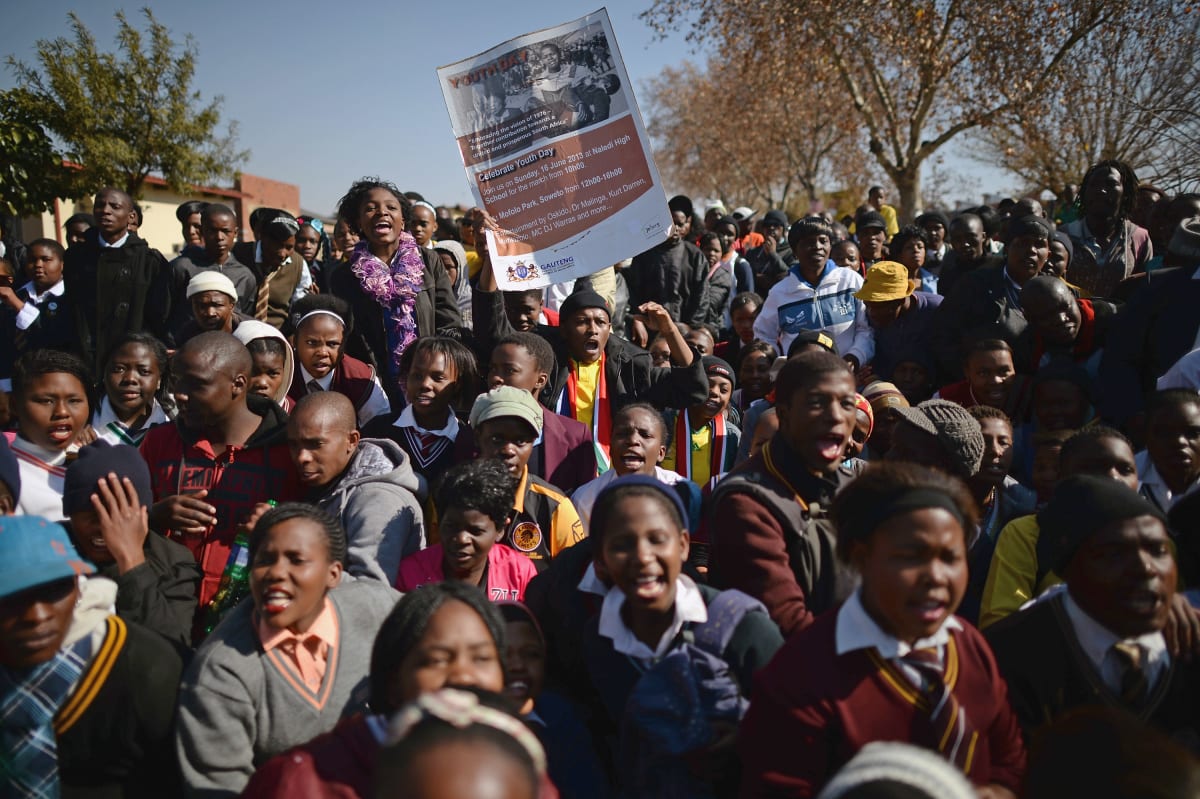
Fifty years after students in Soweto risked their lives to protest apartheid education, South Africa's young people are still marching for a better future. Their fight has shifted from oppression to opportunity, but the urgency remains the same.
Fifty years ago, thousands of black students walked out of schools across Soweto and into history, protesting an education system designed to keep their futures small. On June 16, 1976, they faced police gunfire for demanding better, and their courage sparked South Africa's first national anti-apartheid movement in over a decade.
Today, South Africa is a democracy. But six young South Africans say the struggle hasn't ended; it's just changed shape.
The numbers tell a sobering story. Youth unemployment among 15 to 24-year-olds has hit 60.9%, according to Statistics South Africa's latest survey. For many young people, the terrain of struggle has shifted from fighting an oppressive regime to battling unemployment, inequality, and limited opportunities in their own democracy.
Sithara Govender, a 23-year-old bookseller, sees clear parallels. "In 1976 they marched because their potential was stifled before it even had a chance to ignite," she says. "In 2026 we march for equity, we march against gender-based violence, we march to change the world for the better."
Development practitioner Mirriam Kunene, also 23, frames it as a shift from political to economic freedom. While the youth of 1976 fought for human dignity and equality under apartheid, today's young people face high unemployment, student debt, and persistent socioeconomic inequality despite living in a democracy.
For 22-year-old marketing professional Jenna Lioul, the difference is about turning potential into progress. "Young South Africans are not short of ideas, talent or ambition," she explains. "We don't want to inherit a better future; we want the chance to help build it."
Why This Inspires
What makes these voices powerful isn't just what they're fighting against, but what they're fighting for. These young South Africans aren't asking for handouts or waiting for change to happen to them. They're demanding pathways to participate, contribute, and thrive in building their country's future.
Student Mischké Malgas, 23, captures the spirit of both generations when she talks about unity and hope. "We march with hope for the next generations and to show that, united, we can make a difference," she says. "This world is not going to change if we don't change it."
The class of 1976 showed incredible courage in the face of violence. Fifty years later, their descendants are showing equal determination in the face of different but no less urgent challenges.
More Images

%2Ffile%2Fattachments%2F2993%2F07SitharaGovenderPhoto_Supplied_234322.jpg)
%2Ffile%2Fattachments%2F2993%2F07MirriamKunenePhoto_Supplied_131168.jpg)
Based on reporting by Daily Maverick
This story was written by BrightWire based on verified news reports.
Spread the positivity!
Share this good news with someone who needs it