South Carolina Turtle Bank Saves 800 Endangered Species
Deep in South Carolina's pine woods, a specialized sanctuary is protecting 800 of the world's rarest turtles while training conservationists from around the globe. More than half of all turtle species now face extinction, but this facility offers hope for their survival.
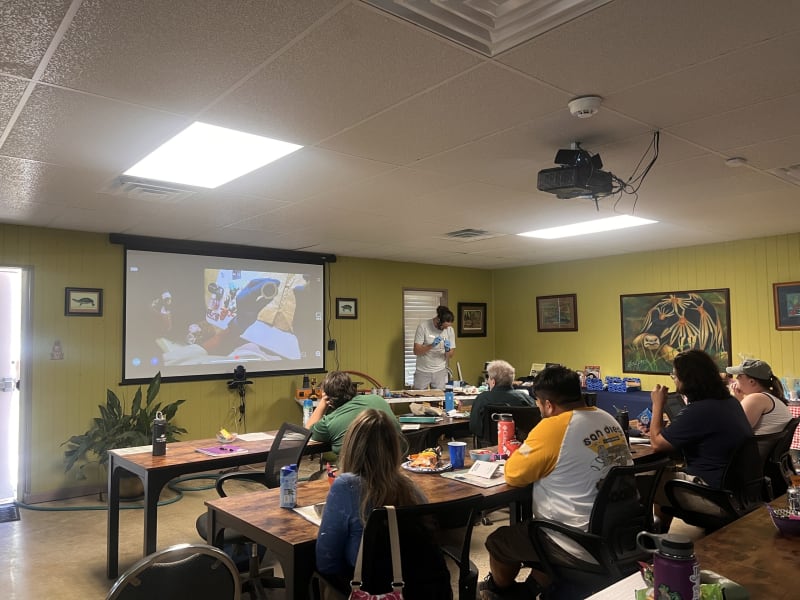
Sixteen turtle lovers from three countries traveled to South Carolina's Turtle Survival Center in September 2025 for something special: a weeklong intensive course that could help save entire species from disappearing forever.
The stakes couldn't be higher. More than half of the world's 359 turtle and tortoise species now face extinction, with 134 classified as endangered or critically endangered.
Behind high fences and security cameras in Cross, South Carolina, the Turtle Survival Center operates as what staff call a "turtle bank." The facility houses approximately 800 turtles, mostly from Southeast Asia, representing some of the planet's most critically endangered species.
These aren't casual exhibits. Each turtle gets its own space with precise temperature control, natural vegetation, and carefully maintained water chemistry. Staff track every animal's health, diet, and reproduction with meticulous detail.
The students at "Turtle School" learn everything from disease prevention to optimal lighting, plumbing systems to breeding techniques. One participant, Madeline Tesolin, sells T-shirts at concerts in Ontario but spends her spare time driving injured turtles to veterinarians.
Anthony Pierlioni, a turtle influencer and course instructor, marveled at the facility's cleanliness during his first visit. "Every single water bowl is crystal clear, and there is no smell," he said while filming for his YouTube channel.
The facility includes a veterinary clinic, quarantine spaces, specialized breeding areas, an incubation room, and both indoor and outdoor habitats. About a dozen staff and volunteers keep the operation running smoothly.
The Ripple Effect
The training creates a global network of skilled turtle conservationists. Participants return to zoos, aquariums, veterinary offices, and community projects equipped to make a real difference.
The center maintains genetic diversity for species whose wild populations have collapsed, hoping their offspring may eventually return to their natural habitats. Turtles face threats from illegal wildlife trade, tropical deforestation, and their naturally slow reproductive rates.
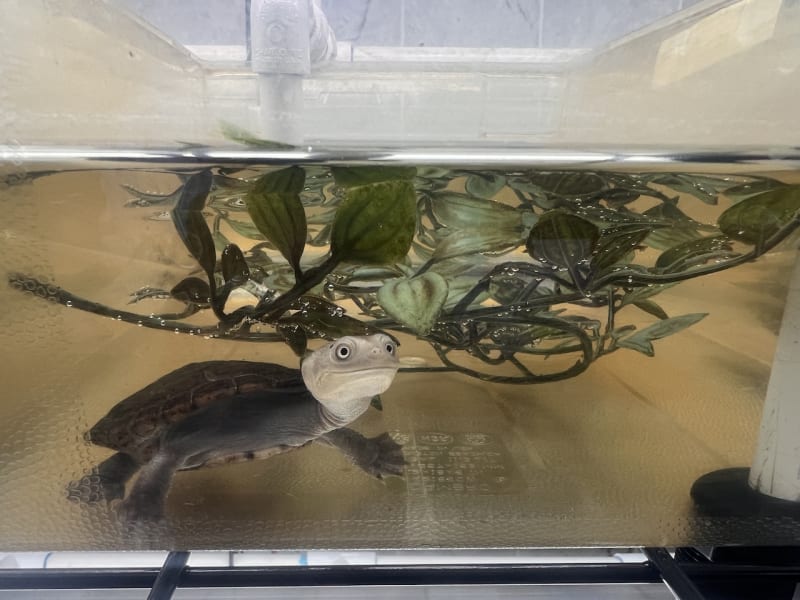
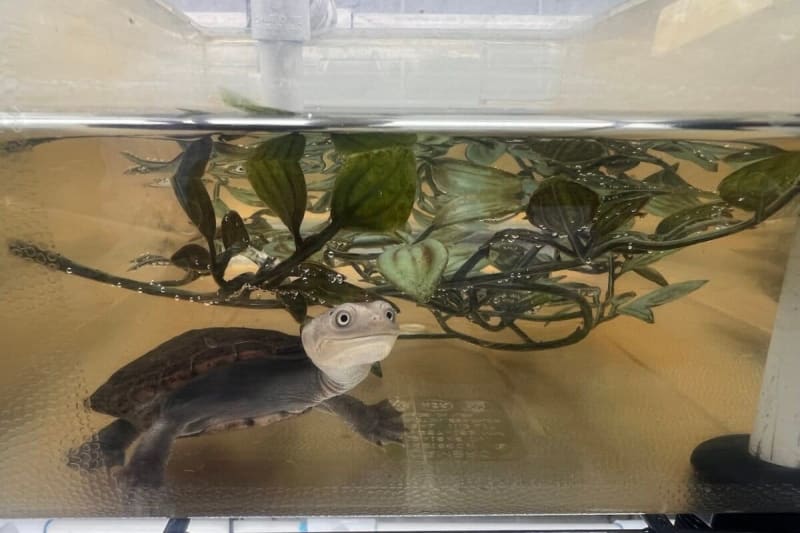
Students examined Asian giant tortoises, Indochinese box turtles, and Rote Island snake-necked turtles during their week of training. Some species, like the Sulawesi forest turtle, exist in such small numbers that every breeding success matters.
"If you're passionate about turtles, there is a boundless well," Tesolin said. "You can't stop learning about them."
The specialized care and conservation expertise flowing from this South Carolina facility is helping ensure these ancient reptiles have a fighting chance at survival.
More Images


Based on reporting by Mongabay
This story was written by BrightWire based on verified news reports.
Spread the positivity!
Share this good news with someone who needs it