South Carolina Wildlife Rescue Saves Dozens of Injured Animals
When Heather Cooper found a brain-injured raccoon hit by a car, she didn't turn away. Instead, she built Snug Harbor Wildlife Rescue in Chapin, filling a crucial gap as South Carolina's growing population puts more wildlife at risk.
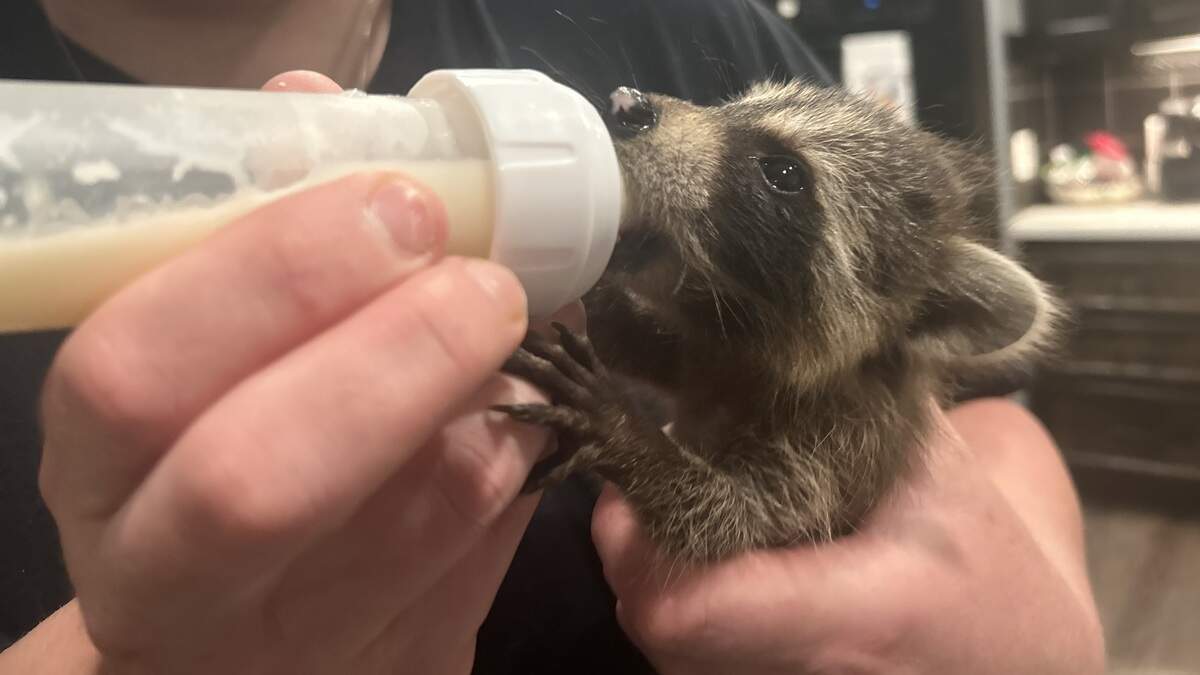
Down an unmarked gravel road in Chapin, South Carolina, Heather Cooper cradles a baby raccoon that will soon return to the wild. This is Snug Harbor Wildlife Rescue, where injured and orphaned animals get a second chance at life.
Cooper started the independent rehabilitation center after finding Freddy, a raccoon hit by a car near her home. He can only move in circles due to neurological damage and would have died without her help.
South Carolina's rapidly expanding population is pushing development into wildlife habitats, creating more conflicts between humans and animals. As larger rescue facilities fill up quickly, especially during baby season, smaller operations like Snug Harbor become essential lifelines.
"Larger rescues can become hard to reach," Cooper said. "That's why we're here."
Across her 23-acre property, dozens of squirrels, opossums, and raccoons screech, whine, and play. Some recover and return to the forest. Others, like Freddy, stay for life.
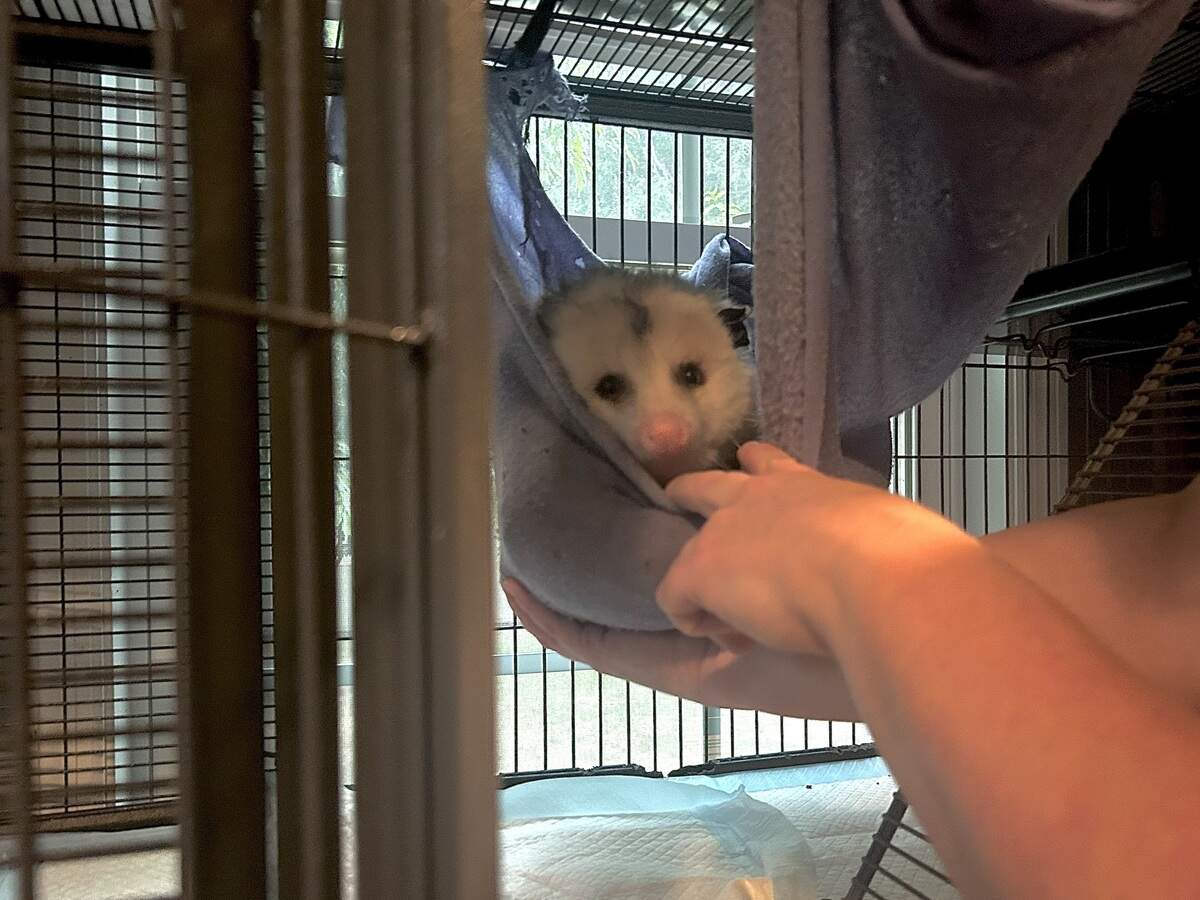
Mama Mabel, an opossum who lost both eyes in a car accident, becomes distressed when separated from her babies. Timmy, a paralyzed opossum, is getting a custom wheelchair. Stuart, a squirrel with neurological damage, undergoes daily therapy.
Cooper takes an average of 40 calls daily, with half from the Chapin area. She provides all care for free, working around the clock to bottle-feed babies and respond to emergencies.
Released animals often return to her property for what Cooper calls a "free buffet." She's even learned to recognize them, greeting a returning squirrel named Rambo through her glass door.
Finding release sites requires careful planning. Cooper posts ads on Facebook, searching for properties with enough acreage, water sources, and natural resources. She considers whether the land might be sold, if neighbors would be supportive, and whether hunting occurs nearby.
The Ripple Effect
Jessica Muller brings her daughter Lauren to volunteer regularly. The young girl knows every animal by name.
"It's been good for my daughter to be around here and help," Muller said. "It's great for the kids to see the compassion, the hard work that goes into it."
Cooper is planning an education and outreach program, welcoming community members to visit and learn about local wildlife. She works closely with other rescues and the South Carolina Department of Natural Resources to cover larger areas across the state.
The work comes with challenges. Some cases are difficult, frustrating, and heartbreaking. Cooper and her volunteers must prepare for middle-of-the-night feedings, dirty cages, and the emotional toll of rehabilitation.
Nine wildlife rescue organizations now serve communities across South Carolina, with more volunteers needed for transport, cage cleaning, and outreach events.
"But if you don't fall in love with every animal that comes into your care, what are you doing?" Cooper said, holding one of her soon-to-be-released raccoons close.
More Images
Based on reporting by Google News - Wildlife Recovery
This story was written by BrightWire based on verified news reports.
Spread the positivity!
Share this good news with someone who needs it