South Downs Transforms 12,400 Football Fields for Wildlife
England's South Downs National Park has transformed an area equal to 12,400 football pitches into thriving wildlife habitat, planting 100,000 trees and restoring dozens of ponds. The five-year ReNature campaign is now two-thirds of the way to its 2030 goal.
An area larger than 12,400 football pitches is blooming back to life in England's South Downs National Park, giving struggling wildlife species a fighting chance at recovery.
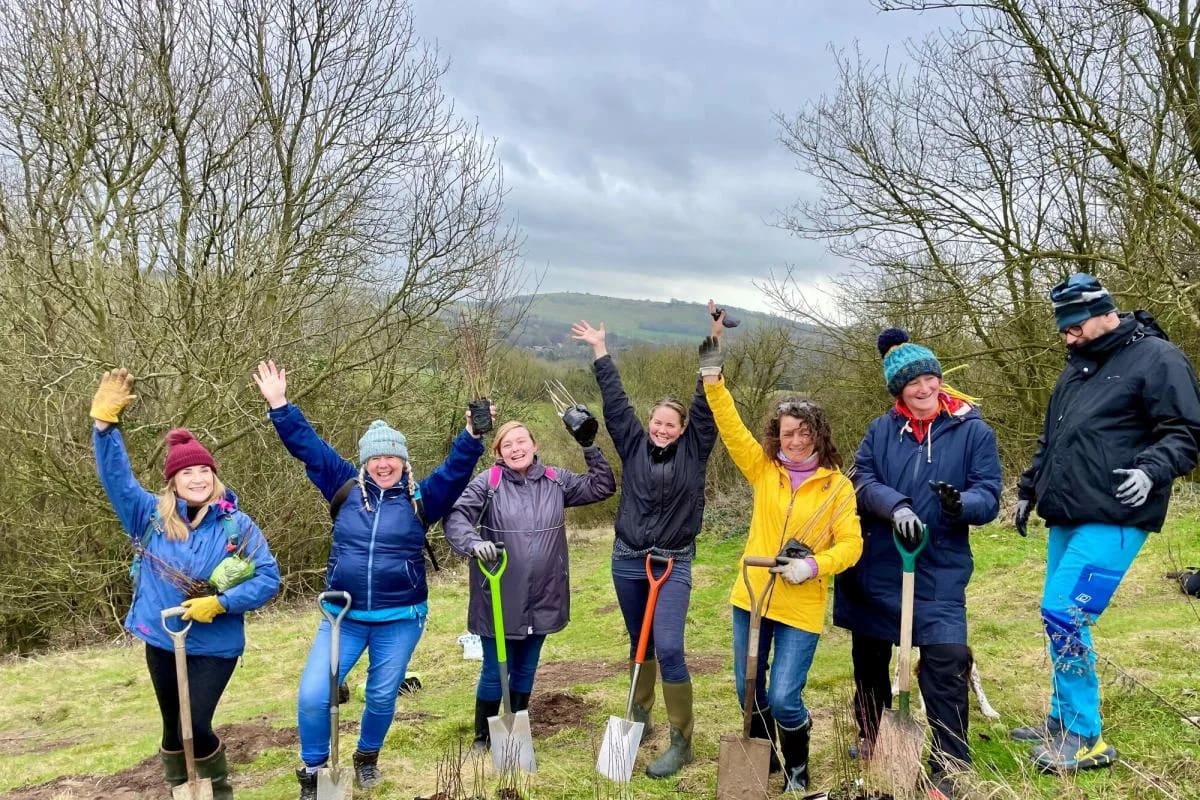
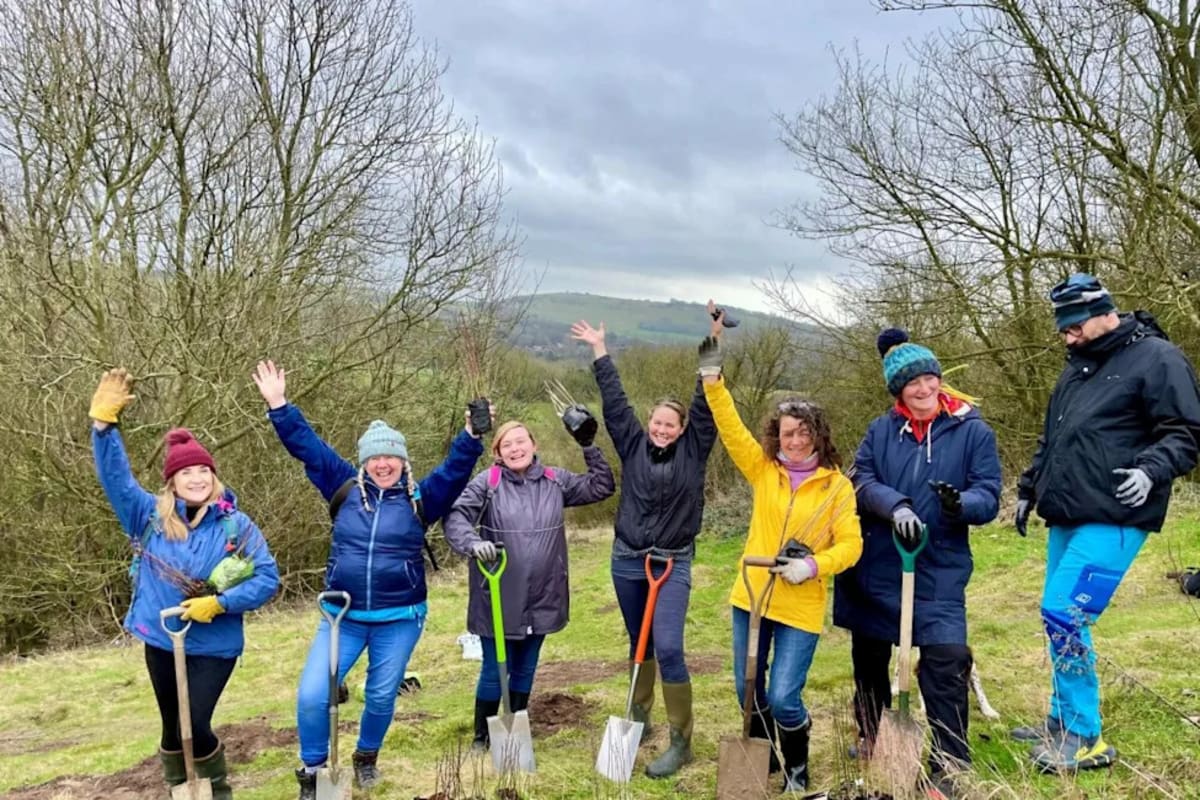
The park's ReNature campaign has spent five years turning farmland and degraded areas into rich habitat for butterflies, toads, bats, and water voles. Volunteers and farmers have planted more than 100,000 trees, created 35 kilometers of hedgerows, and restored over 30 ponds since 2021.
Wildflower meadows now blanket an area equivalent to 4,000 tennis courts. Early studies show the transformation is working, with rare species like the Adonis blue butterfly and natterjack toad making comebacks in areas where they had disappeared.
The ambitious project has raised over £20 million through donations and grants. It aims to create 13,000 hectares of wildlife habitat by 2030, and it's already achieved nearly two-thirds of that goal.
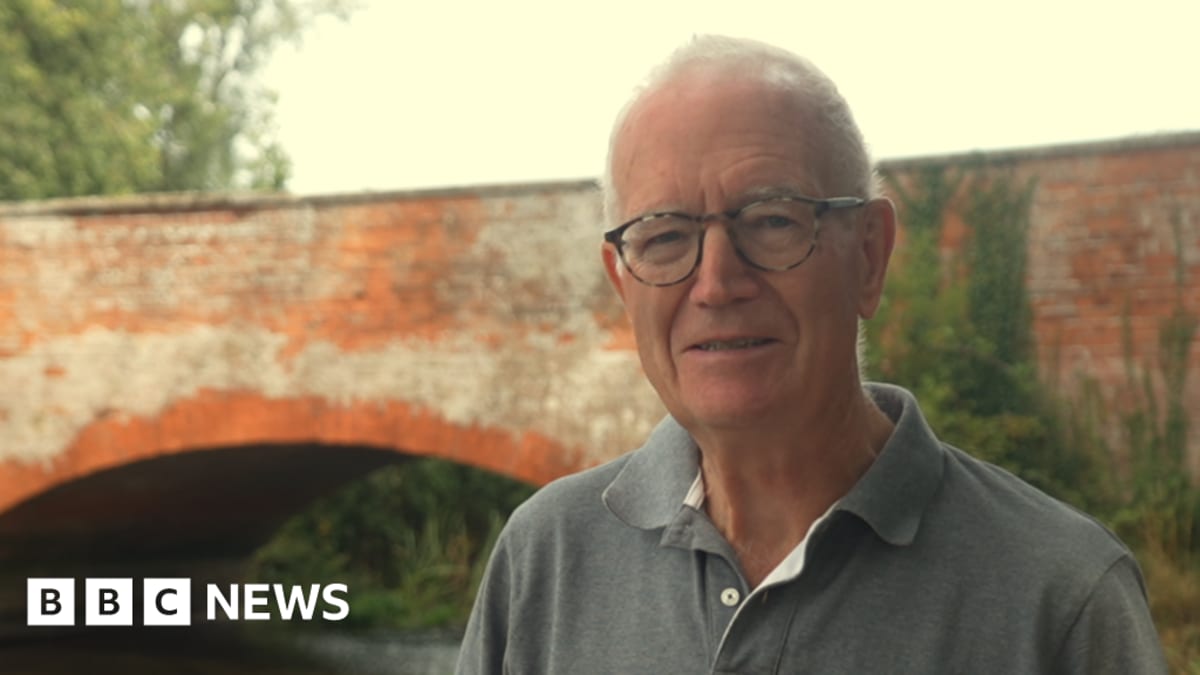
Allison Potts, director of landscape and operations, emphasized why this matters beyond just helping animals. "Nature underpins our everyday lives in terms of our communities, our economy, and our health and wellbeing, including providing clean air to breathe, food to eat, and water to drink," she said.
The success relies on partnerships with local farmers, landowners, businesses, schools, and volunteers who manage the land day to day. One farm near Chichester has transitioned 131 hectares of intensive farmland to become England's largest biodiversity scheme under new planning rules.
The Ripple Effect
The South Downs project shows how nature recovery can happen at scale when communities work together. Between 2023 and 2026, the park secured biodiversity improvements through 115 planning permissions, with gains exceeding legal requirements.
These restored habitats do more than shelter wildlife. They filter water, store carbon, prevent flooding, and create spaces where people can connect with nature. Schools bring students to learn about ecosystems, while volunteers gain hands-on conservation experience.
The model is catching attention from other national parks looking to reverse decades of habitat loss. What started as a regional campaign is becoming a blueprint for large-scale nature recovery across England.
Potts praised the community effort and looks ahead with optimism: "We're determined to turn the tide on biodiversity loss and there are exciting times ahead."
More Images
Based on reporting by Google News - Wildlife Recovery
This story was written by BrightWire based on verified news reports.
Spread the positivity!
Share this good news with someone who needs it