South Korea and UK Team Up to Lead Driverless Car Era
South Korea and the United Kingdom are joining forces to create the world's next generation of autonomous driving standards, tackling the biggest challenge: who's responsible when no one's behind the wheel. This partnership could shape how self-driving cars operate globally while boosting both nations' tech industries.
Imagine a world where buses, taxis, and delivery trucks drive themselves without anyone at the wheel. South Korea and the United Kingdom just took a major step toward making that vision safer and smarter.
The two countries held a groundbreaking forum in London on April 13, bringing together engineers, government officials, and industry leaders to design shared standards for fully autonomous vehicles. The National Academy of Engineering of Korea and the Royal Academy of Engineering hosted the historic meeting at Prince Philip House.
The timing couldn't be more critical. Self-driving technology is entering what experts call the "No User in Charge" phase, where cars operate completely independently. That shift raises urgent questions about liability, safety systems, and who oversees the vehicles when something goes wrong.
The UK recently passed the Autonomous Vehicles Act in 2024, becoming the first country to legally establish a system for driverless operation. South Korea wants to learn from that experience while contributing its own technological expertise and testing data.
The forum tackled real-world challenges like how remote operation centers will monitor fleets of autonomous vehicles and how accident data will determine responsibility. Participants also discussed the industry transformation from traditional car manufacturing to platform-based services, similar to how smartphones changed from devices to service ecosystems.
South Korea faces concerns about falling behind in market competition due to limited testing environments. Meanwhile, global competition for autonomous driving leadership intensifies between the US and China. This partnership gives both nations a strategic advantage.
The Ripple Effect
The cooperation extends far beyond technical specifications. The two countries are designing integrated systems that connect technology, insurance policies, and legal frameworks. They're planning a joint event in Seoul this September, hosted by South Korea's Ministry of Land, Infrastructure and Transport.
This collaboration could establish global standards that other countries adopt, similar to how European safety regulations influenced worldwide auto manufacturing. When two advanced democracies with strong tech sectors align their approaches, the resulting framework often becomes the international benchmark.
The partnership also demonstrates how mid-sized technological powers can compete with larger nations through strategic alliances. Neither country needs to reinvent every solution when they can combine their complementary strengths.
"Autonomous driving is a game changer that goes beyond technological competition to reshape national systems and industrial structures," said Yoon Eui-jun, Chairman of the National Academy of Engineering of Korea. His vision centers on creating a model that leads the global autonomous driving era through practical cooperation.
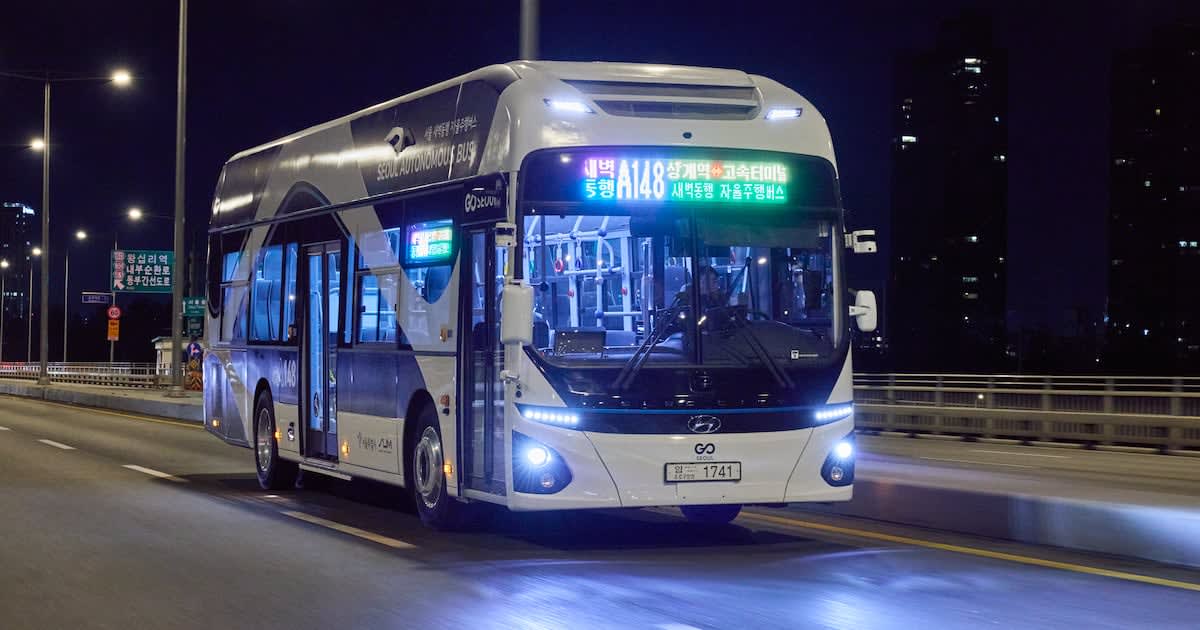
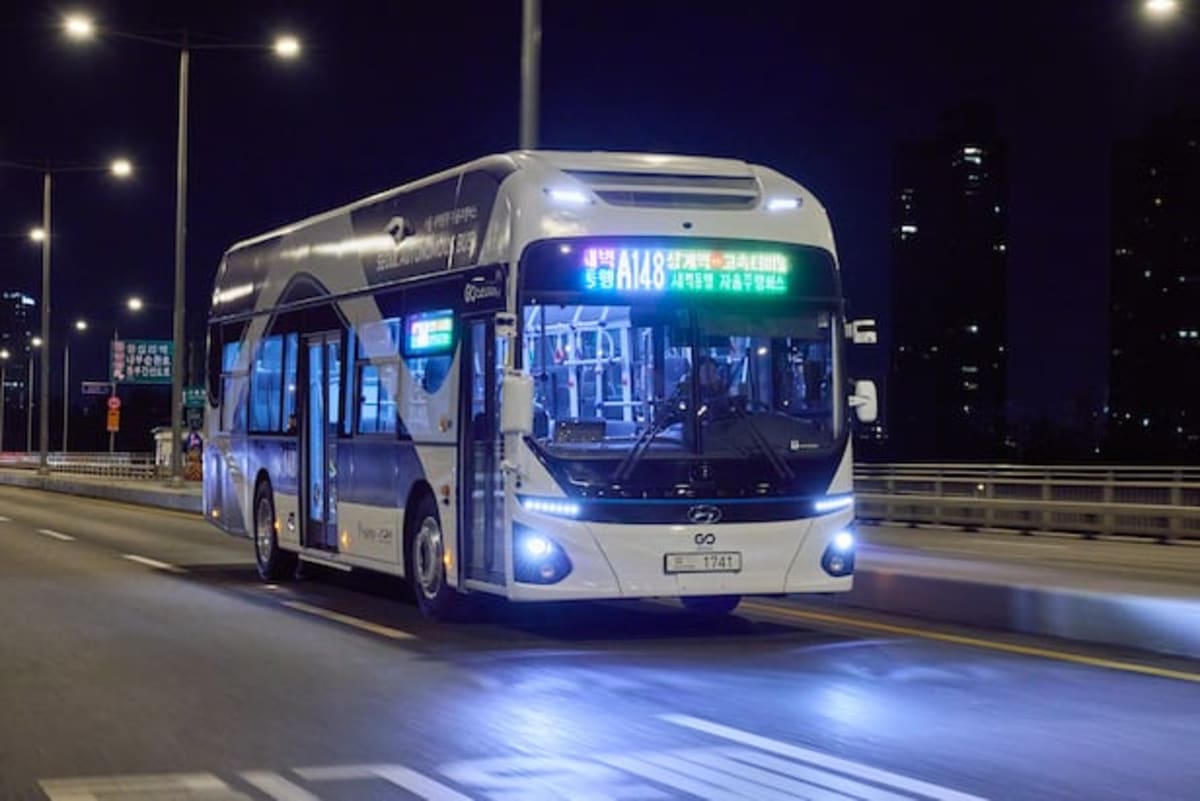
South Korea already operates autonomous buses in Seoul, giving it valuable real-world testing data, while the UK's regulatory framework provides legal clarity that accelerates development. Together, they're building something neither could achieve alone: a complete roadmap from technology to implementation.
More Images
Based on reporting by Regional: south korea technology (KR)
This story was written by BrightWire based on verified news reports.
Spread the positivity!
Share this good news with someone who needs it