South Korea Bans 'Dream Drug' Hype in Biotech Disclosures
South Korea just cracked down on pharmaceutical companies using misleading marketing hype, requiring honest numbers instead of rosy promises. Investors will finally see the real odds behind biotech breakthroughs. ##
Pharmaceutical companies in South Korea can no longer use flashy terms like "dream drug" or inflate technology deals with misleading billion-dollar headlines. On July 30, 2026, the country's Financial Supervisory Service rolled out sweeping new rules designed to protect investors from exaggerated claims and give them the real story behind biotech ventures.
The changes tackle a common problem: companies announcing huge "technology export" deals without explaining that most of the money depends on hitting future milestones that may never happen. Under the new system, firms must clearly separate upfront payments from conditional milestone payments and royalties, so investors understand what's guaranteed versus what's just possible.
Companies planning initial public offerings now face four mandatory disclosure categories. They must explain their projected market size with realistic targets, not just theoretical possibilities. They must calculate clinical trial success probabilities using actual academic data instead of optimistic company estimates. They must detail regulatory approval risks, acknowledging that even successful trials can face delays or rejection. And they must break down development timelines and costs by phase, giving investors the complete picture.
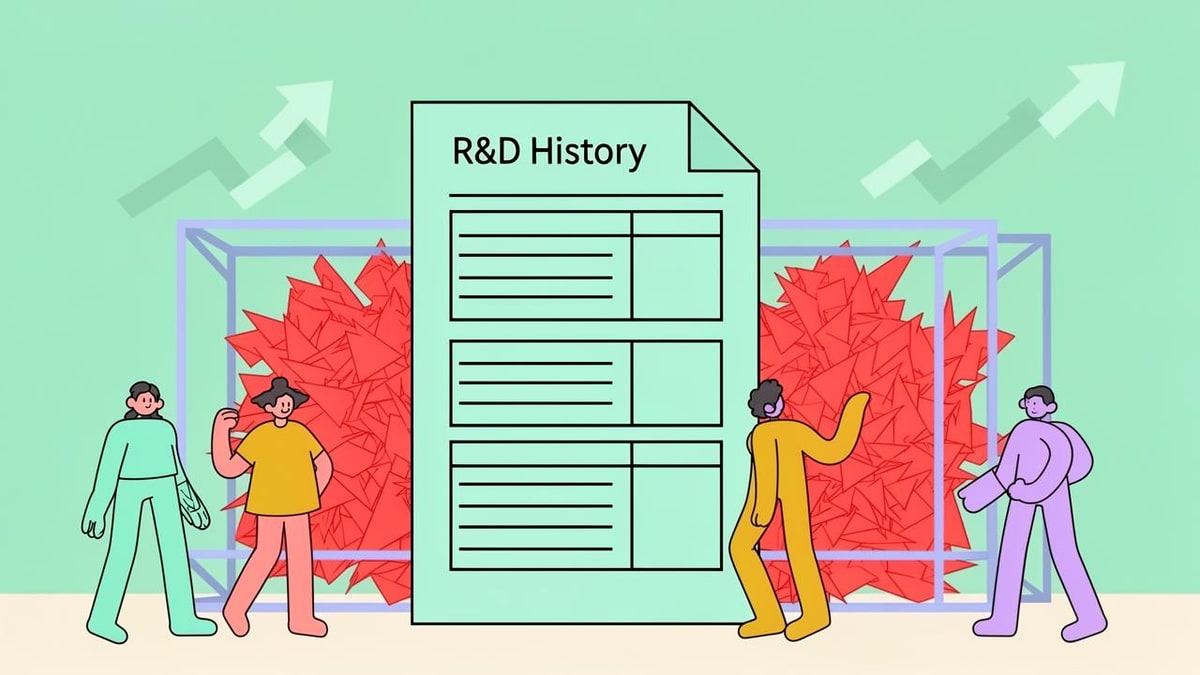
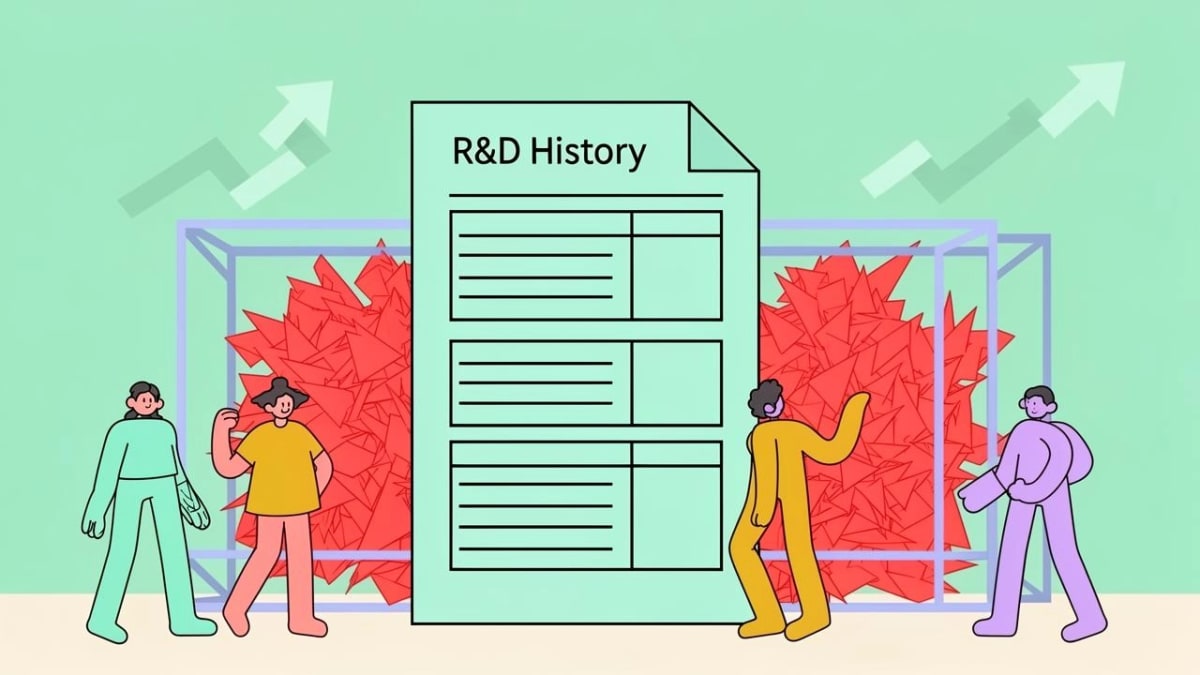
A new "R&D History Management Summary Table" will track every drug candidate's entire journey from development to discontinuation or approval. Previously, companies could quietly drop failed projects without investors noticing. Now, if timelines slip, companies must explain why and share their updated plans.
The reform came from a task force that met from April to June, including outside advisors and industry participants who recognized the need for change. The rules extend beyond official filings to media coverage, requiring that press releases match official disclosures exactly and prohibit adding undisclosed information to news reports.
The Ripple Effect
This regulatory overhaul could reshape how biotech companies worldwide communicate with investors. South Korea's approach addresses a global challenge: balancing innovation excitement with honest risk assessment. When investors have accurate information, they make better decisions, and companies with genuinely promising treatments can stand out from those relying on hype.
The changes also protect everyday investors who lack the scientific background to evaluate clinical trial data or spot misleading contract announcements. By requiring plain language explanations of technical terms and linking current updates to past disclosures, the rules level the playing field between sophisticated institutional investors and regular people investing their savings.
Other countries watching South Korea's model may adopt similar transparency standards, creating a new baseline for biotech investment worldwide. When companies compete on real progress rather than marketing spin, everyone wins except those who were never planning to deliver.
These reforms take effect November 13, giving both investors and innovative companies a fairer foundation for the future.
##
More Images
Based on reporting by Google News - Clinical Trial Success
This story was written by BrightWire based on verified news reports.
Spread the positivity!
Share this good news with someone who needs it