South Korea Boosts Energy R&D Budget 48% to Power AI Future
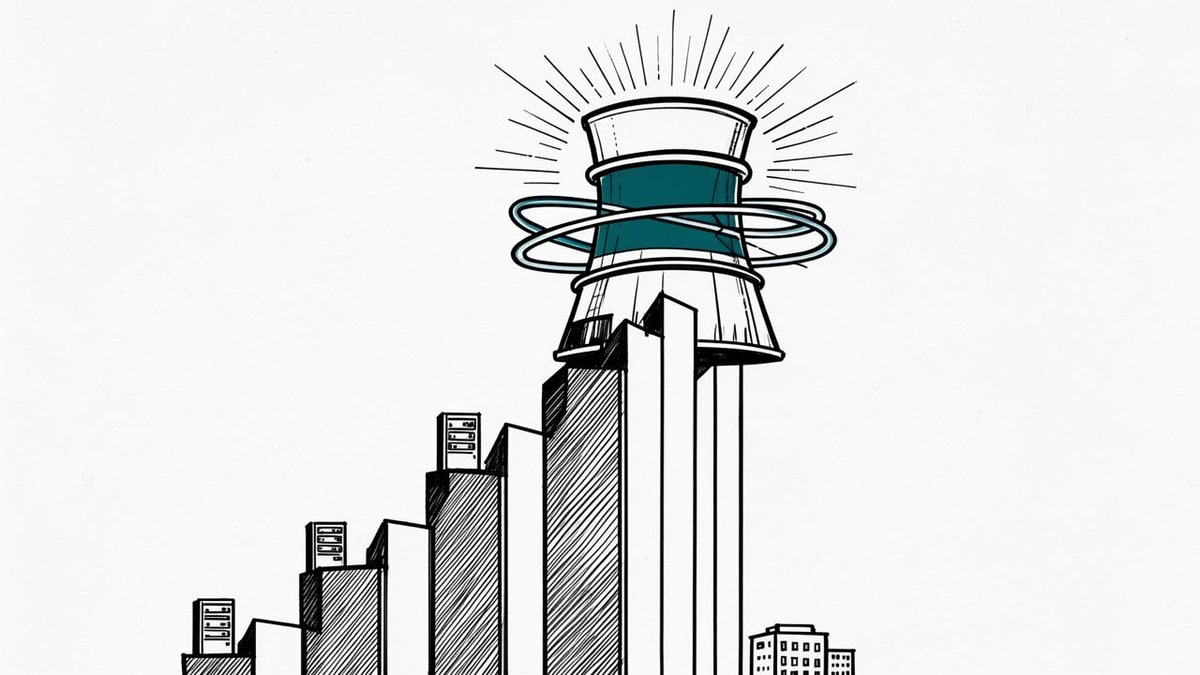
South Korea is investing a record $545 million in energy research for 2026, a 48% jump driven by surging AI data center power needs. The nation is betting big on next-generation nuclear tech and renewables to secure its competitive edge.
South Korea just made its largest energy research bet ever, and it's all about powering the AI revolution that's transforming our world.
The country is pumping $545 million into energy technology research and development for 2026, nearly half again as much as this year. The dramatic increase comes as artificial intelligence data centers multiply across the nation, creating unprecedented demand for reliable, clean electricity.
Nuclear innovation is leading the charge. Funding for Small Modular Reactors jumped 56% to nearly $95 million, making these compact, safer nuclear plants a centerpiece of South Korea's energy future. Unlike traditional massive nuclear facilities, SMRs can be built closer to where power is needed and pose fewer safety risks.
The country is also going all in on nuclear fusion, the holy grail of clean energy that powers the sun itself. Investment in fusion research more than doubled to $211 million, reflecting optimism that this nearly limitless energy source could become reality within decades.
Renewable energy research isn't being left behind either. Solar and wind research funding surged 64% to $16 million as part of the government's diversified approach to energy independence.
The Ripple Effect
This massive investment signals something bigger than just one country's energy policy. As AI transforms industries worldwide, the race for clean, abundant electricity is becoming as critical as the race for computing power itself. Tech giants globally are turning to next-generation nuclear solutions to power their data centers sustainably.
Democratic Party lawmaker Hwang Jung-ah captured the stakes perfectly: "In the AI era, energy technology is a national strategic asset, and national power will be determined by electricity." She emphasized that South Korea must build energy systems resilient enough to withstand global disruptions like Middle East conflicts.
The strategy covers both immediate and future needs. While SMRs won't hit commercial viability until the early 2030s and fusion likely not until the 2040s, the investments starting today will determine which nations lead tomorrow's technology landscape.
The budget increase represents South Korea joining a global movement recognizing that AI's promise depends entirely on solving the power challenge. Countries and companies investing now in diverse energy solutions are positioning themselves to thrive in an AI-powered future.
South Korea's energy moonshot shows that preparing for tomorrow's technological breakthroughs starts with the unsexy but essential work of building the infrastructure to power them.
More Images
Based on reporting by Regional: south korea technology (KR)
This story was written by BrightWire based on verified news reports.
Spread the positivity!
Share this good news with someone who needs it