South Korea Cracks Code for Better EV Batteries
A South Korean battery maker just solved a major problem that's been limiting electric vehicle batteries for years. The breakthrough could mean EVs that last longer and charge more safely.
Scientists in South Korea just made a discovery that could transform electric vehicle batteries from good to great.
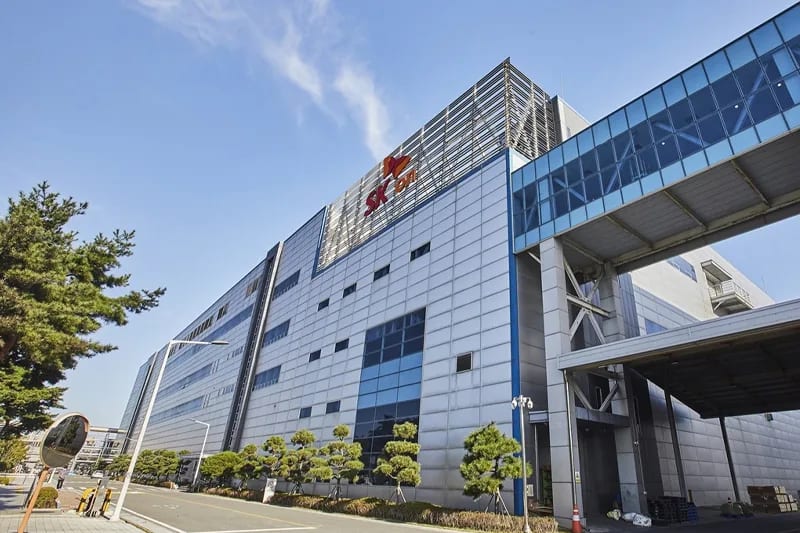
SK On, a major battery manufacturer, teamed up with researchers at Seoul National University to create a new type of battery material that's twice as strong and 25 times safer than what we use today. The team published their findings in Nature Energy, one of the world's top science journals.
Here's the problem they solved: Current EV batteries use cathode materials made of many tiny crystals clumped together. When these batteries charge and recharge, cracks form between the crystals, causing gas buildup and shorter battery life.
The Korean team figured out how to make cathode particles from a single crystal instead. Think of it like the difference between a cobblestone road and smooth pavement. Single crystal batteries don't crack as easily, which means they last longer and stay safer.
Making these single crystal particles has stumped scientists for years, especially with the high-nickel materials needed for powerful batteries. The usual process requires such intense heat that it damages the crystal structure, defeating the purpose.
The research team got creative with their solution. They started by building sodium-based cathodes first, then swapped the sodium for lithium through a special chemical reaction. This workaround let them create particles about 10 micrometers wide, roughly double the size of conventional materials, without causing structural damage.
The results speak for themselves. These new cathodes produced 25 times less gas than traditional materials during testing. They also achieved 77% of the theoretical maximum energy density, a remarkably high number that means more power packed into the same space.
The Ripple Effect
This isn't just a lab curiosity. Better cathode materials mean EVs could go further on a single charge, last longer before needing battery replacement, and charge more safely without overheating risks. For drivers worried about EV reliability or range anxiety, improvements like this address real concerns holding back electric vehicle adoption.
The team isn't stopping here either. They're already planning follow-up studies to test even more advanced material combinations and mixing different crystal sizes to squeeze out every bit of energy density possible.
Dr. Kisoo Park, who leads SK On's Future Technology Institute, sees this as proof that South Korea is staying ahead in the global battery race. As automakers worldwide shift to electric vehicles, breakthroughs in battery chemistry become the difference between leading the market and playing catch-up.
The path from laboratory success to mass production still lies ahead, but this research marks a genuine leap forward in making EVs better for everyone.
More Images


Based on reporting by Google News - South Korea Breakthrough
This story was written by BrightWire based on verified news reports.
Spread the positivity!
Share this good news with someone who needs it