South Korea Creates Space-Ready AI Chip That Lasts 20 Years
South Korean scientists built an AI chip component that survived radiation equal to 20 years in space. It's the first chip of its kind proven to work in extreme space conditions.
Scientists just solved one of space exploration's biggest tech challenges: how to keep AI running when radiation could fry the circuits.
A team from South Korea's Atomic Energy Research Institute created a special transistor for AI chips that can handle the brutal conditions of space. Working with Chungbuk National University and Belgium's IMEC research center, they built something that could change how we explore the universe.
The secret ingredient is a material called indium-gallium-zinc oxide. The researchers used it to build what's called a synaptic transistor, which mimics how our brains process information. This tiny component is crucial for next-generation AI chips that can learn and adapt like humans do.
Here's where it gets impressive. The team blasted their creation with a proton accelerator to simulate 20 years of space radiation. Most electronics would be toast after that kind of punishment.
The transistor survived. Sure, it showed some wear and tear, but its core functions stayed stable. That's exactly what you need for long-term space missions where replacing broken parts isn't an option.
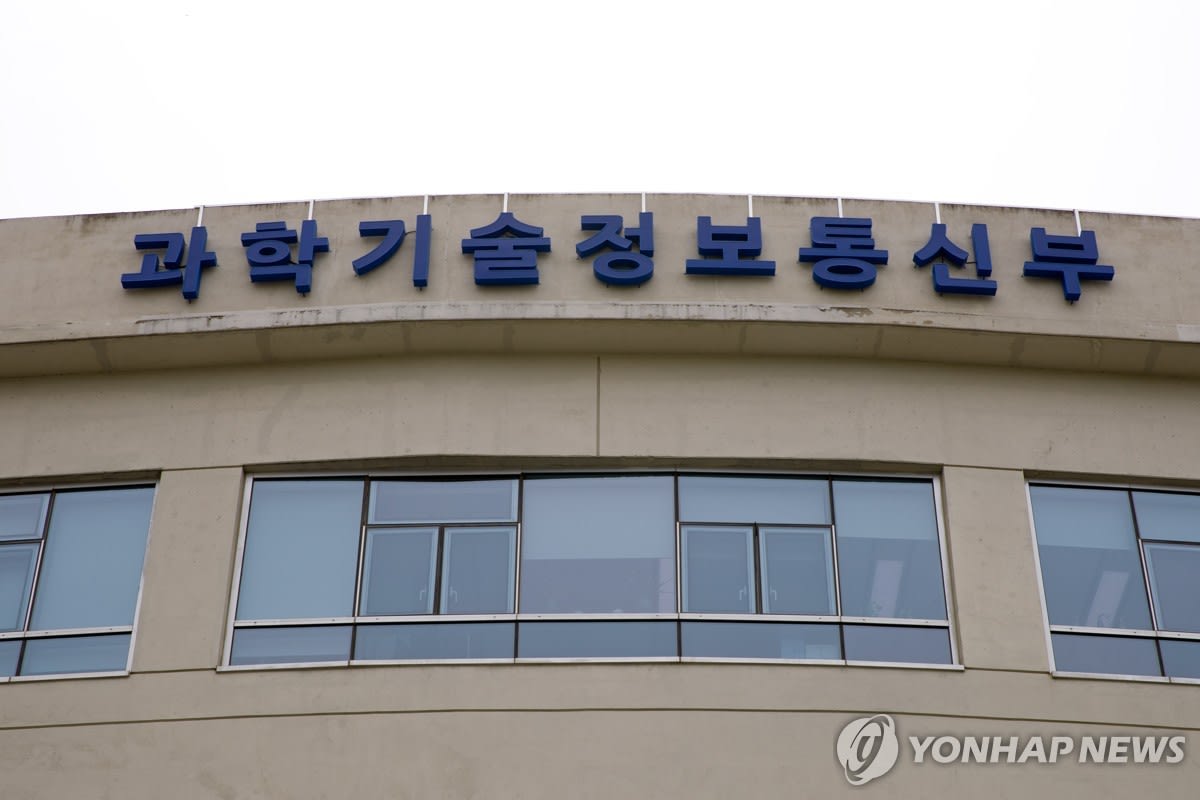
South Korea's Ministry of Science and ICT confirmed this marks the world's first verification of radiation-resistant AI chip technology for space. No other team has proven this kind of component can handle such extreme conditions.
The Ripple Effect
This breakthrough opens doors for smarter spacecraft and satellites that can make decisions on their own. Future Mars rovers could analyze samples and adjust their missions without waiting for instructions from Earth. Space stations could run more efficiently with AI that doesn't need constant replacement.
The technology could also benefit life on Earth. Radiation-resistant chips might improve medical imaging equipment, nuclear power plants, and even flights over polar routes where radiation levels spike. Any industry dealing with harsh environments could use tougher, smarter chips.
The South Korean government plans to keep pushing forward, developing more specialized AI chips for space and aviation industries. They're aiming for technological independence in a field that's becoming crucial as more countries and companies head to space.
Twenty years of space radiation in a single test is no small feat, and this little transistor just proved it's tough enough for the final frontier.
More Images



Based on reporting by Regional: south korea technology (KR)
This story was written by BrightWire based on verified news reports.
Spread the positivity!
Share this good news with someone who needs it