South Korea Expands Tax Breaks for Clean Solar Manufacturing
South Korea just made it easier for solar manufacturers to get tax credits by going green. The new rules reward companies that keep carbon emissions low across their entire production process.
South Korea is betting big on clean energy manufacturing, and the payoff could reshape how solar panels get made.
As of April 1, solar manufacturers in South Korea can now claim investment tax credits if their facilities produce modules with carbon emissions at or below 655 kg CO₂ per kilowatt. The best part? The rules cover the entire production chain, from raw materials to finished panels.
The Korea Photovoltaic Industry Association says this is a game changer. Instead of competing purely on price, South Korean companies can now win by making cleaner, higher quality products.
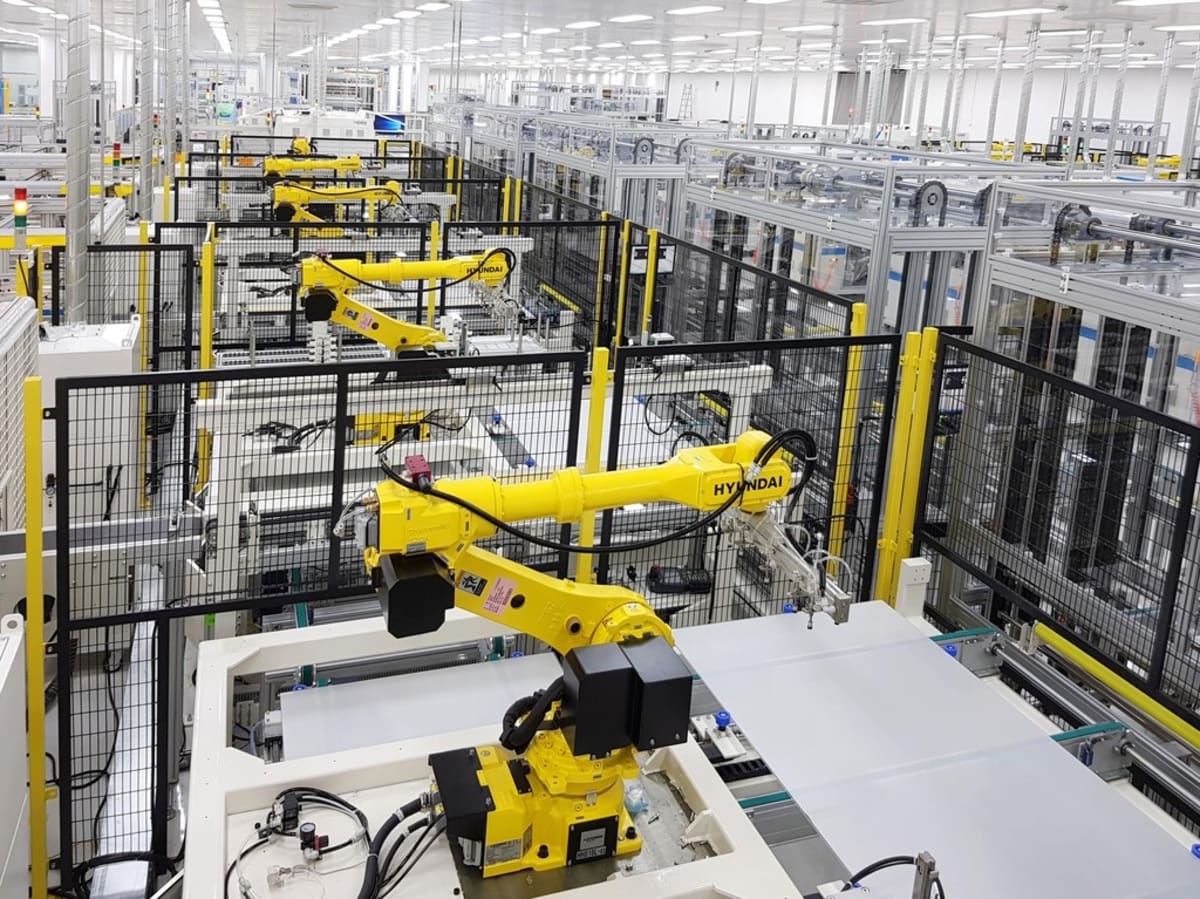
The new framework covers everything: polysilicon production, silicon wafer manufacturing, solar cell lines, and module assembly. It even includes design facilities that meet the carbon threshold.
South Korea has been working toward this moment for years. Since 2019, the government has given preference to low carbon, high efficiency solar modules in public projects through a three tier grading system. Chinese modules, which typically have higher carbon footprints, usually land in the lowest tier.
The timing matters. Chinese solar cells captured 95% of South Korea's market in 2024, up from just 38% in 2019. Domestic manufacturers hold only 4% of their home market.
By extending carbon requirements from purchasing decisions into manufacturing incentives, South Korea is creating a pathway for local companies to compete on sustainability rather than cost alone. The government is essentially saying: if you invest in cleaner production, we'll invest in you.
The Ripple Effect
This policy shift could influence how solar panels get made worldwide. When a major economy ties tax incentives to carbon performance across the full manufacturing chain, other countries pay attention.
South Korean manufacturers now have a clear financial reason to innovate on emissions reduction. That means developing new production techniques, investing in cleaner energy for factories, and pushing suppliers to lower their carbon footprints too.
The framework also complements other recent moves, including new national standards for photovoltaic thermal solar panels introduced in October 2025. Together, these policies signal a comprehensive strategy to rebuild South Korea's solar manufacturing sector around quality and sustainability.
For an industry often dominated by a race to the bottom on pricing, South Korea is charting a different course. Clean manufacturing is now profitable manufacturing.
More Images

Based on reporting by PV Magazine
This story was written by BrightWire based on verified news reports.
Spread the positivity!
Share this good news with someone who needs it