South Korea Fast-Tracks Visas for Top Science Researchers
South Korea just made it easier for world-class scientists and researchers to build their careers there, cutting red tape and offering a path to permanent residency in just three years. The move aims to attract 2,000 talented researchers by 2030 in fields like AI and semiconductors.
South Korea is rolling out the welcome mat for the world's brightest minds in science and technology with a streamlined visa program that gets researchers working faster.
Starting in June, the country's "Top-Tier" visa expands beyond corporate employees to include university professors and research scientists. The program offers something most countries don't: immediate residency status for both researchers and their families, plus a shortcut to permanent residency in just three years instead of the usual five.
The timing matters. Countries worldwide are competing fiercely for experts in artificial intelligence, semiconductors, quantum computing, and biotechnology. South Korea decided to simplify the process rather than add more obstacles.
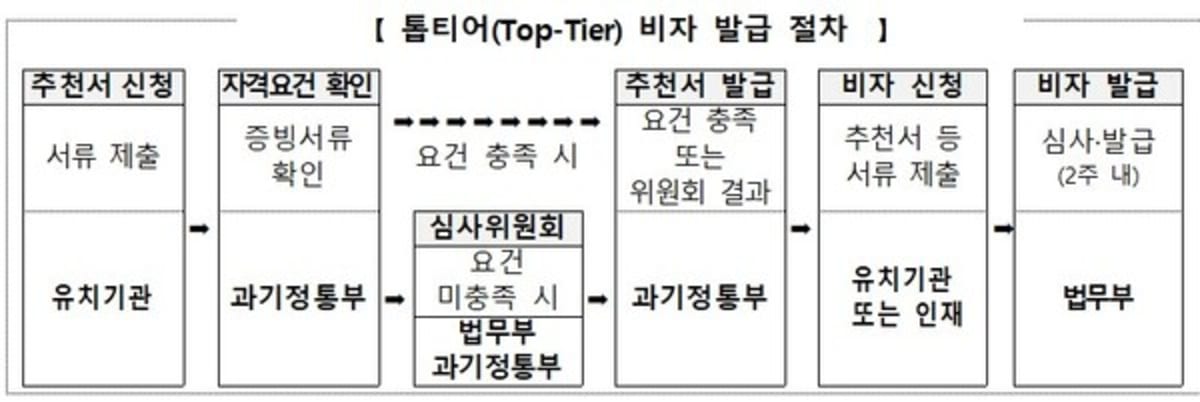
Here's how it works: researchers who meet requirements in awards, published papers, commercialization, or career experience can get a Science Ministry recommendation. Universities, government research institutes, and corporate labs can recruit talent directly through a new coordinated system between the Science and Justice Ministries.
The Science Ministry reviews research achievements and expertise, then issues recommendation letters for qualified candidates. Even promising early-career researchers with strong potential can qualify through a special review committee, even if they don't meet all quantitative benchmarks yet.
Once approved, the Justice Ministry immediately grants residence visas and preferred immigration cards. Family members get the same status, removing a major barrier that often stops talented people from relocating internationally.
The initiative, called "Brain to Korea," sets ambitious targets: 600 researchers this year, building to 2,000 by 2030. The government promises full support services to help newcomers settle in, from entry assistance to long-term integration.
The Ripple Effect
When countries compete to attract talent, everyone wins. Researchers get more options for where to pursue breakthrough work. Host countries gain fresh perspectives and expertise. And scientific progress accelerates when bright minds can work where they're most effective.
South Korea's streamlined approach could push other nations to remove their own bureaucratic roadblocks. The real winners? All of us who benefit when scientific innovation happens faster, whether that's better AI, more efficient computer chips, or new medical breakthroughs.
The program signals something hopeful: countries investing in knowledge and collaboration rather than building walls.
More Images

Based on reporting by Regional: south korea technology (KR)
This story was written by BrightWire based on verified news reports.
Spread the positivity!
Share this good news with someone who needs it