South Korea Gets Biggest G20 Growth Upgrade on AI Chip Boom
South Korea just earned the largest economic growth upgrade among all G20 nations, jumping from 1.7% to 2.6%, thanks to record-breaking semiconductor exports driven by the global race for AI technology. The country's chip makers are shipping memory chips that power artificial intelligence at volumes never seen before.
South Korea just received the best economic news of any major nation this year, and it's all thanks to the tiny chips powering the AI revolution.
The Organisation for Economic Co-operation and Development raised South Korea's 2026 growth forecast to 2.6% from 1.7%. That 0.9 percentage point jump represents the single largest upward revision among all G20 economies.
The turnaround is remarkable. Just three months ago, the OECD had slashed Korea's outlook over concerns about Middle East energy disruptions. What changed everything was an explosion in semiconductor exports.
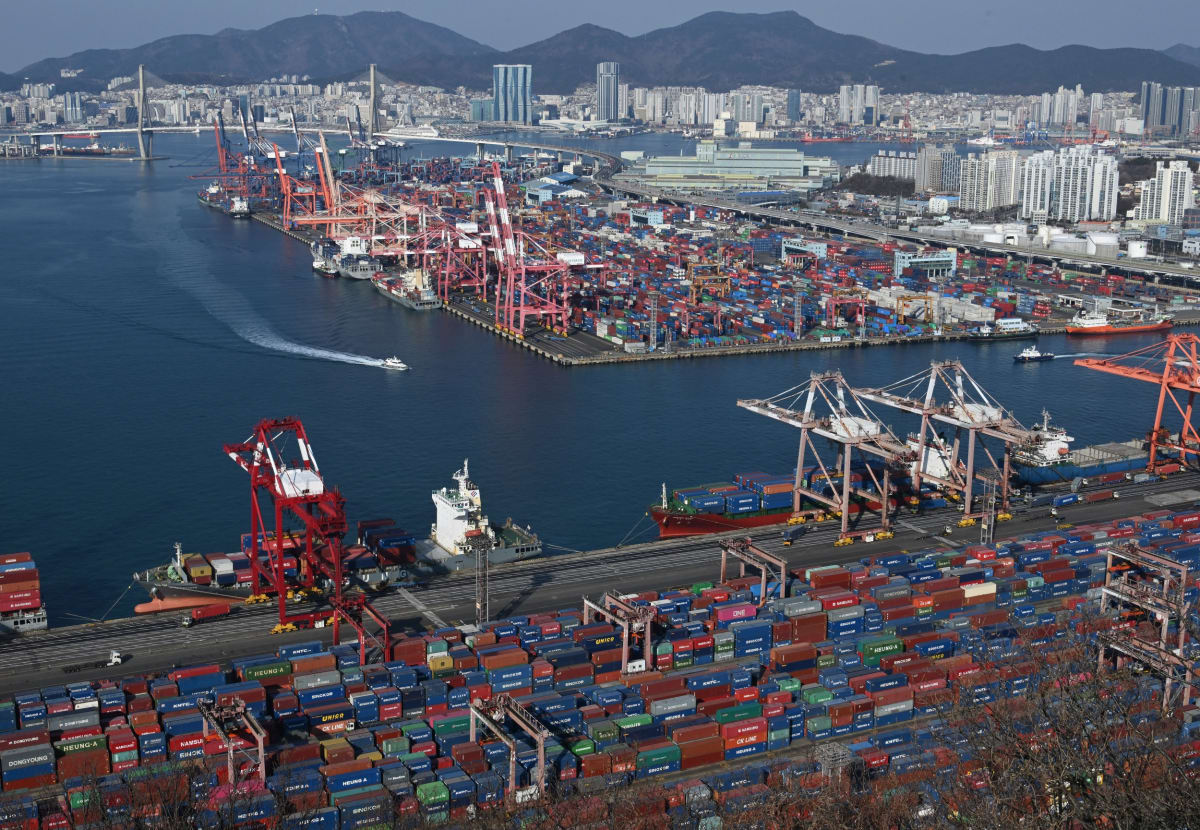
South Korea's chip industry shipped $37.2 billion worth of semiconductors in May alone. That's a 169% increase compared to last year and the third consecutive monthly record.
The numbers tell a story of surging global demand. A year ago, a common memory chip sold for $4.80. In May 2026, that same chip fetched $37.50. Some flash storage chips saw prices jump over 800%.
Samsung Electronics and SK Hynix sit at the center of this boom. Together, they control roughly 79% of the global market for high-bandwidth memory, the specialized chips that artificial intelligence systems need to run.
Tech giants like Microsoft, Google, and Amazon are sending procurement teams directly to South Korea to secure chip supplies. These companies are racing to build AI infrastructure, and Korean manufacturers make the only memory chips fast enough to keep up with the most advanced AI models.
Samsung's chip division posted $36.1 billion in operating profit in just the first quarter of 2026. SK Hynix reported similarly stunning numbers, with record revenue of $35.5 billion in a single quarter.
The technology behind these chips explains why Korea has proven so difficult to compete with. High-bandwidth memory stacks multiple chip layers vertically using microscopic copper conductors, achieving data speeds up to 2 terabytes per second. That bandwidth is essential for training and running large AI models.
The Ripple Effect
The semiconductor surge isn't just helping chip makers. Korea's entire economy is benefiting from the AI boom.
Bank of Korea Governor Shin Hyun-song estimates that the semiconductor industry alone will add 0.7 percentage points to the country's GDP growth this year. Korea's first-quarter GDP expanded 3.6% compared to last year, described as exceptional performance.
The momentum is spreading beyond chips. Computer exports surged 290% as companies bought solid-state drives for AI servers. Korea's trade balance with China swung from a $764 million deficit in December to a $3.8 billion surplus in May.
Goldman Sachs now forecasts the most severe memory chip shortage in 15 years. That means Korean manufacturers will likely continue seeing strong demand well into the future.
The OECD noted that private investment led by semiconductor spending is expected to spread momentum to broader industries later this year. Bank of America went even further, raising its Korea forecast to 3.1% and projecting that exports will keep contributing substantially to growth through 2027.
While many countries face economic headwinds from higher energy prices and global disruptions, South Korea is proving that being at the center of transformative technology can reshape an entire nation's economic trajectory almost overnight.
More Images



Based on reporting by Regional: south korea technology (KR)
This story was written by BrightWire based on verified news reports.
Spread the positivity!
Share this good news with someone who needs it