South Korea Invests $37M in Mass-Producible AI Humanoids
South Korea is launching a massive collaboration between tech giants, universities, and hospitals to build AI-powered humanoid robots that can work in factories, hospitals, and care facilities. With $37 million in funding through 2030, the project aims to make Korea a global leader in the next-generation robot market.
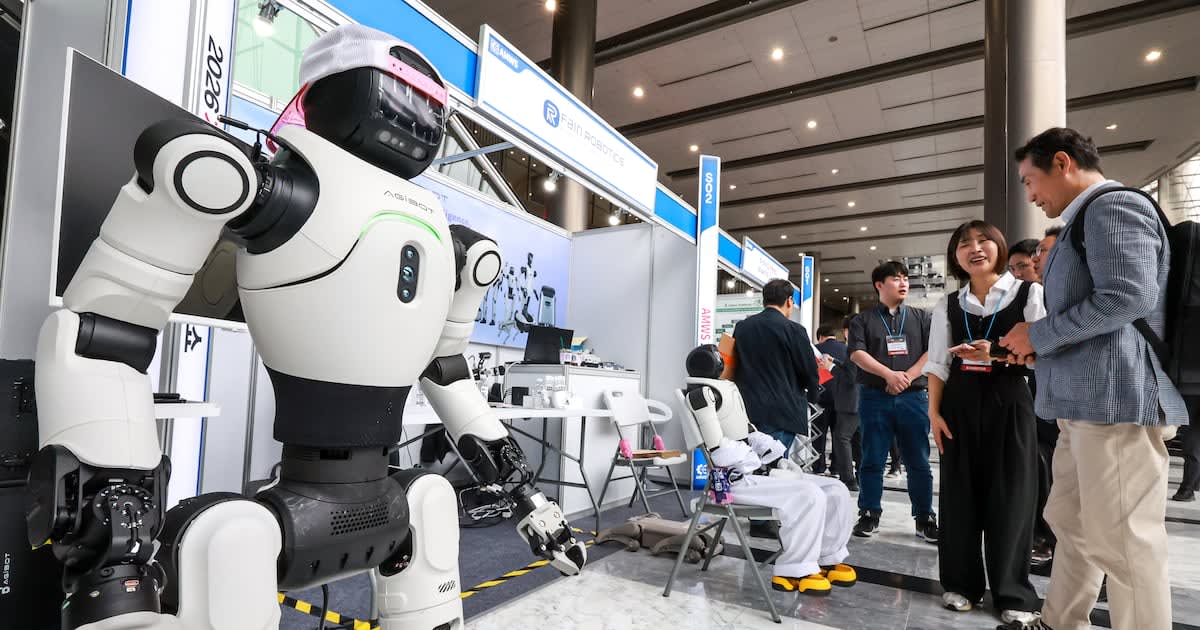
South Korea just brought together some of its biggest companies and brightest minds to build humanoid robots designed for real-world work, not just research labs. The government is investing 50.4 billion won (about $37 million USD) to develop AI-powered humanoids that can see, hear, think, and move like people.
The Korea Institute of Science and Technology will lead the ambitious project, which kicks off this month and runs through 2030. Joining forces are industry heavyweights like LG Electronics, LG AI Research Institute, and LG Energy Solution, alongside top universities including Seoul National University, KAIST, and Korea University. Even Hallym University Sacred Heart Hospital is on board to test the robots in medical settings.
What makes this project special is its focus on mass production from day one. Instead of building one-off prototypes that never leave the lab, LG Electronics will design robots that factories can actually manufacture at scale. The team is building on KIST's existing "KAPEX" humanoid platform, integrating hardware, software, and AI into a single package rather than developing each piece separately.
These aren't simple machines following pre-programmed routines. The research team is creating AI that processes visual information, touch sensations, language, and movement data all at once, allowing the robots to understand their surroundings and make decisions independently. They'll be able to handle complex tasks in factories, logistics centers, hospitals, and elder care facilities.
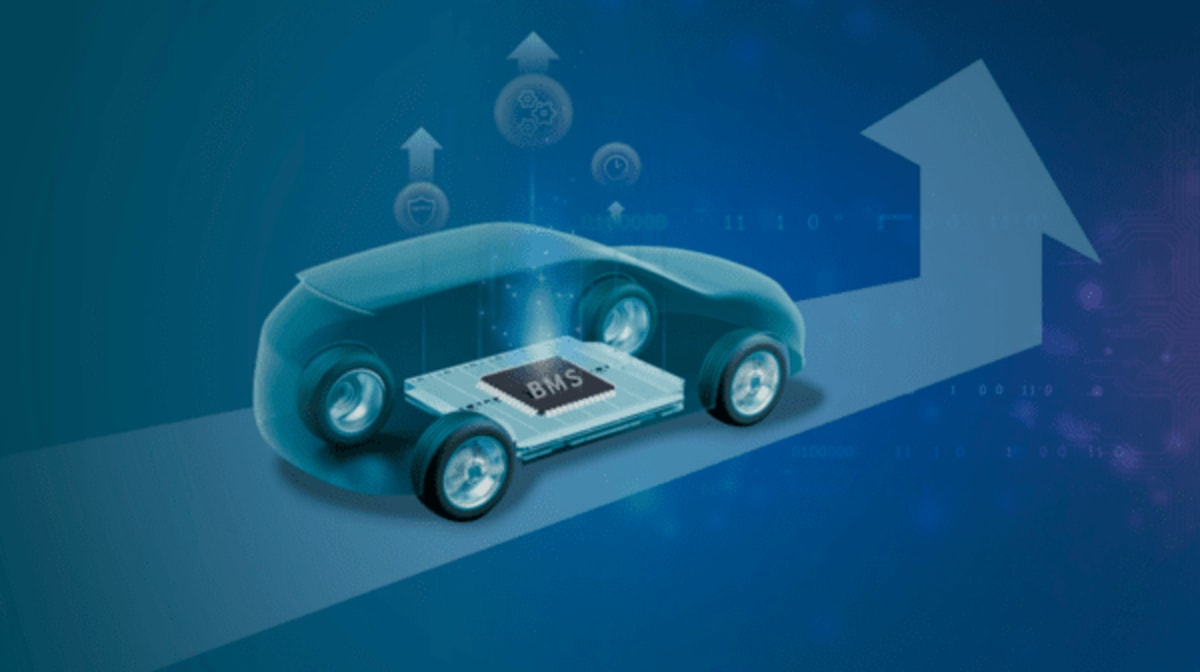
Safety is getting serious attention too. LG Energy Solution is incorporating solid-state battery technology to eliminate fire risks and enable long-duration operation. The company sees this as a chance to help shape global safety standards for the entire humanoid robot industry.
The real test comes in hospitals and care facilities. The team plans to deploy more than 20 humanoids at sites including Hallym University Sacred Heart Hospital, where they'll assist with daily living tasks, provide public services, and handle extended complex assignments. This real-world validation will prove whether the robots can work reliably outside controlled laboratory environments.
The project is part of K-Moonshot, South Korea's program using AI to tackle major national challenges. By combining expertise in artificial intelligence, robotics, battery technology, manufacturing, and healthcare, the country is positioning itself to compete in what many see as the next frontier of automation.
The Ripple Effect
If South Korea succeeds in creating affordable, mass-producible humanoid robots, the impact could extend far beyond its borders. Countries worldwide face aging populations and worker shortages in healthcare and caregiving. Reliable humanoid assistants could help elderly people live independently longer while reducing strain on healthcare systems. In manufacturing and logistics, these robots could handle dangerous or repetitive tasks, improving workplace safety. The battery innovations developed for these humanoids could also advance other technologies from electric vehicles to renewable energy storage.
Kim Seong-su, director general for research and development policy at South Korea's Ministry of Science and ICT, calls the initiative "a starting point to build Korea's flagship AI humanoid platform" that could secure the nation's leadership in the global market.
The future of work might just be learning to collaborate with our humanoid colleagues.
More Images
Based on reporting by Regional: south korea technology (KR)
This story was written by BrightWire based on verified news reports.
Spread the positivity!
Share this good news with someone who needs it