South Korea Launches 40 MW Carbon-Free Power Plant
A groundbreaking partnership in South Korea is turning ammonia into clean electricity, proving carbon-free industrial power is ready for real-world deployment. The 40-megawatt plant could transform how factories get their energy.
South Korea just took a major leap toward industrial decarbonization with a new kind of power plant that produces zero carbon emissions while delivering serious energy.
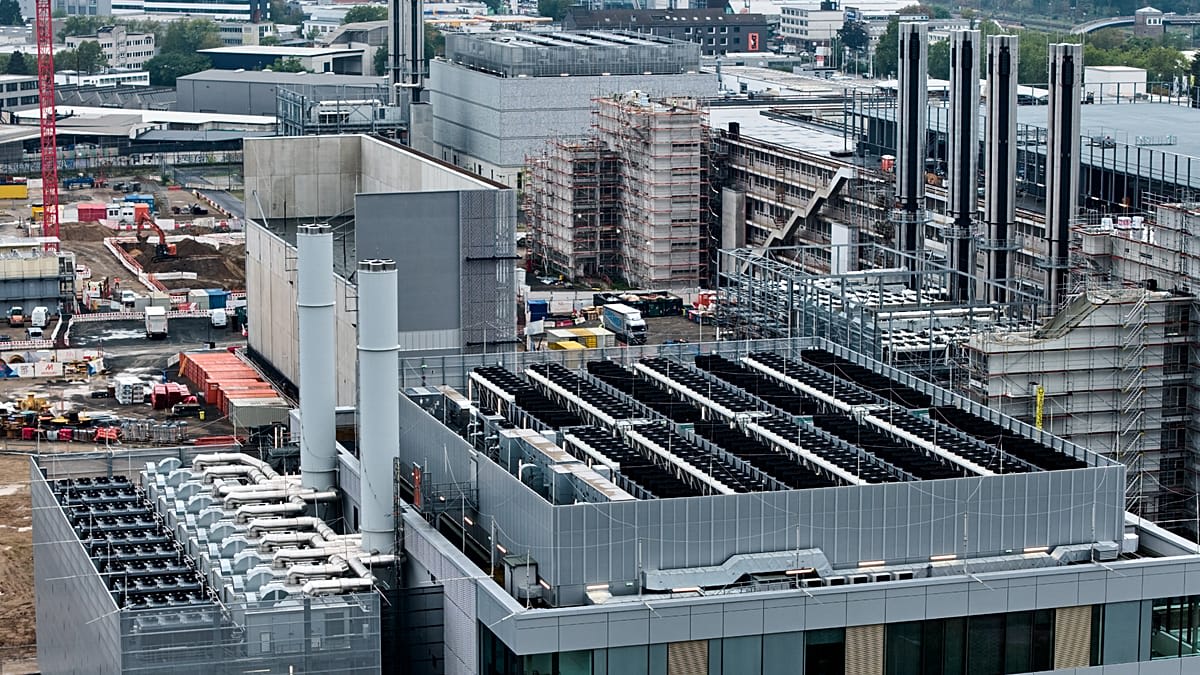
Amogy, an ammonia-to-power company, is joining forces with GS Engineering & Construction to build distributed power systems that convert ammonia into clean electricity for factories and industrial sites. Their first major project in Pohang City will deploy up to 40 megawatts of carbon-free power at the Yeongilman Industrial Complex.
The technology works by "cracking" ammonia molecules to release hydrogen, which then generates electricity without producing carbon dioxide. Ammonia (NH3) contains abundant hydrogen atoms locked in its chemical structure, making it an efficient way to store and transport clean energy. Unlike traditional hydrogen, ammonia doesn't require extreme cooling or pressure, solving a major challenge in clean energy distribution.
South Korea's Ministry of Climate, Energy and Environment selected the partnership last year to operate a special Distributed Energy Zone, reflecting the government's commitment to practical decarbonization solutions. The pilot project launches this year, with commercial expansion planned shortly after.
"This joint venture reflects growing global demand for practical, carbon-free energy solutions," said Seonghoon Woo, CEO of Amogy. The partnership combines Amogy's breakthrough cracking technology with GS's proven engineering and construction expertise to create turnkey systems customers can deploy quickly.
The Ripple Effect
This project represents more than one clean power plant. It's proof that heavy industry can run on carbon-free energy today, not decades from future. Factories have long struggled to eliminate emissions because they need reliable, high-volume power that renewables alone can't always provide.
The ammonia approach solves this by offering dispatchable clean energy that works when the sun isn't shining or wind isn't blowing. As the Pohang project succeeds, the model can scale to industrial complexes worldwide facing similar decarbonization pressures.
South Korea is positioning itself as a leader in ammonia energy infrastructure. HD Hyundai Heavy Industries recently built two ammonia-powered cargo ships scheduled for delivery this year, showing the fuel's versatility across transportation and power sectors.
Jin-hong Huh, senior executive vice president of GS E&C, emphasized their ambition to "lead a new market for green ammonia-based carbon-free power generation" and expand their energy business portfolio through successful commercialization.
The partnership proves that breakthrough climate solutions don't have to wait for perfect conditions or distant timelines. Sometimes progress happens when innovative technology meets construction expertise and supportive government policy, all working together toward a carbon-free future that's arriving faster than most people realize.
Based on reporting by Regional: south korea technology (KR)
This story was written by BrightWire based on verified news reports.
Spread the positivity!
Share this good news with someone who needs it