South Korea Launches Space Education Network at Naro Center
South Korea's aerospace administration gathered educators, scientists, and students to build a nationwide network for space education and culture. The initiative aims to grow public understanding and support for the country's expanding space program.
South Korea just took a major step toward making space exploration part of everyday education and culture across the nation.
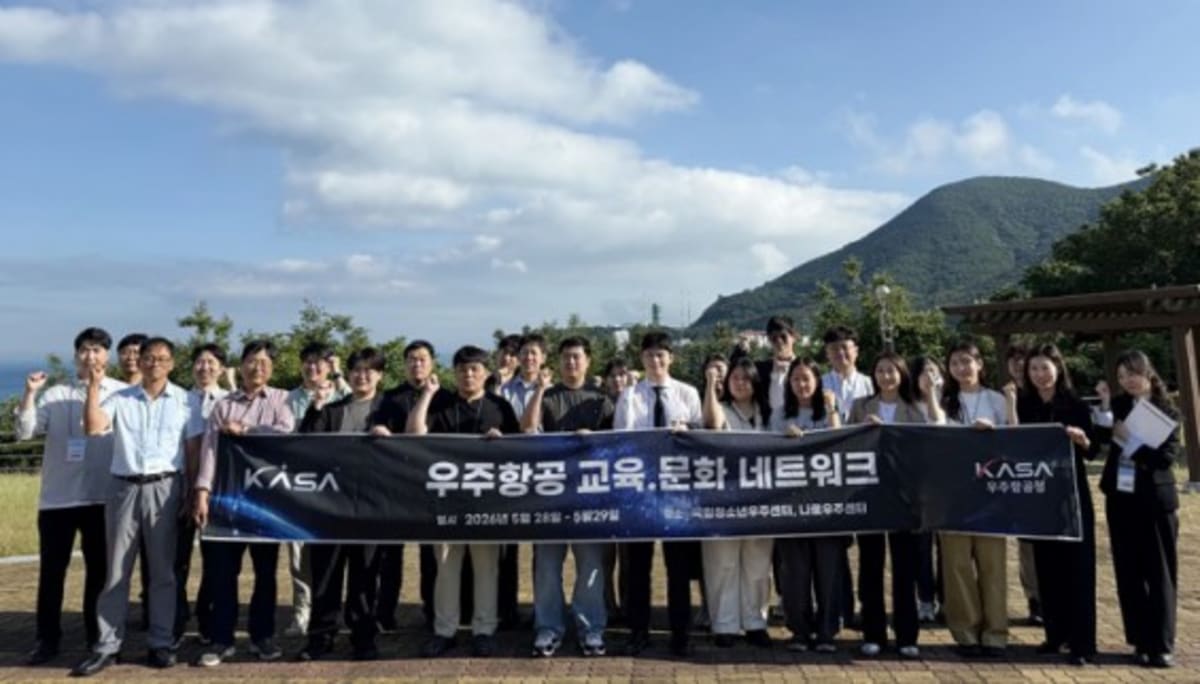
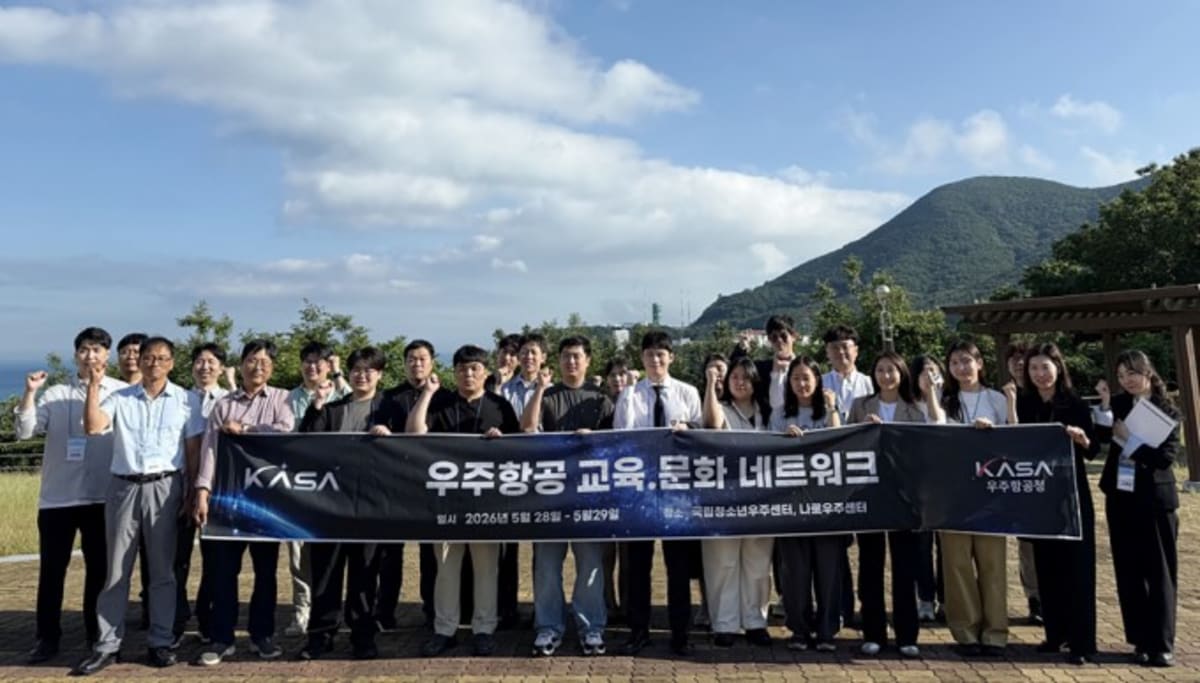
The Korea Aerospace Administration brought together teachers, science museums, research institutes, and university clubs at the Naro Space Center on March 28-29. Their mission was to create a sustainable network that connects space education with cultural outreach and hands-on research.
The gathering organized participants into three working groups focused on education policy, cultural communication, and building the infrastructure needed to support these programs. Representatives from observatories, educational institutions, and science communication experts shared real-world insights about what works in bringing space science to the public.
Everyone agreed on one key point: advanced rockets and satellites aren't enough. South Korea's space sector needs everyday people to understand and support its missions, which means weaving aerospace science into schools, museums, and community programs nationwide.
The timing couldn't be better. South Korea has rapidly emerged as a serious space power, successfully launching its homegrown Nuri rocket and planning lunar missions. Now the country is investing in the human side of space exploration by making sure the next generation feels connected to these achievements.
The Ripple Effect
This network approach could transform how an entire generation of South Koreans thinks about space careers and scientific innovation. When students can visit local observatories connected to national space programs, or when science museums coordinate their exhibits with actual launches, space stops feeling distant and starts feeling possible.
The cooperation framework promises to link what happens in classrooms with what's happening at launch pads. University student clubs will work alongside national research institutes. Teachers will have direct channels to aerospace professionals who can bring current missions into lesson plans.
South Korea is betting that building public enthusiasm now will pay dividends for decades. Countries with strong space programs know that engineers and astronauts don't appear overnight. They're inspired as kids who looked through telescopes, visited space centers, or met scientists who made the cosmos feel within reach.
By creating formal structures for education and cultural engagement, rather than leaving it to chance, South Korea is treating public connection to space as seriously as it treats rocket science itself. The network ensures these efforts will continue growing long after the initial excitement of new launches fades.
The message is clear: space exploration succeeds when entire nations dream together, not just when rockets fly.
More Images



Based on reporting by Regional: south korea technology (KR)
This story was written by BrightWire based on verified news reports.
Spread the positivity!
Share this good news with someone who needs it