South Korea Plans F1 Return with 2028 Incheon Street Race
South Korea is bringing Formula One racing back to the country after a 15-year gap with a bold new street circuit in Incheon. City officials say this time they've cracked the code on making it both profitable and entertaining.
South Korea is gearing up to welcome Formula One back after learning from past mistakes and designing a race that puts fans first.
The city of Incheon, just outside Seoul, unveiled plans Thursday for a five-kilometer street circuit set to host its first Grand Prix in 2028. Mayor Yoo Jeong-bok says the new approach focuses on creating an unforgettable experience that goes way beyond just watching cars go fast.
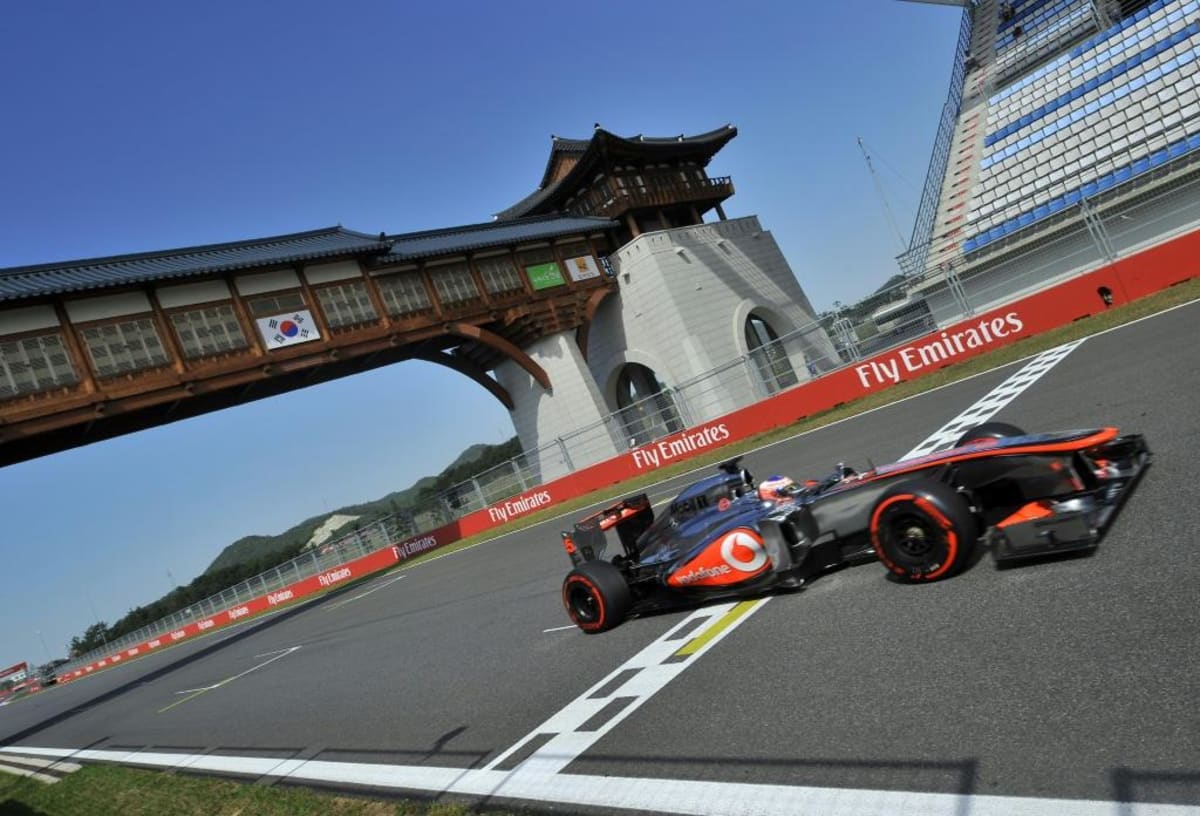
The country's previous F1 venture lasted only three years, from 2010 to 2013, at a different circuit in southern South Korea. High costs and lukewarm local interest led to its cancellation, leaving many wondering if F1 and South Korea just weren't meant to be.
But this time feels different. Incheon officials studied what makes street circuits in Singapore and Las Vegas so successful. They're planning to weave Korean culture into the entire race weekend, inviting world-famous musical artists and creating cultural performances that showcase the nation's creative energy.
The plan aims to draw up to 400,000 visitors over the three-day race weekend. That's not just race fans, but families, music lovers, and anyone looking for a world-class entertainment experience.
The Ripple Effect
This reimagined approach could change how cities think about hosting major sporting events. Instead of building expensive permanent facilities that sit empty most of the year, Incheon's street circuit can transform into a regular city road after race weekend ends.
The integration of K-culture, already a global phenomenon through music, film, and television, gives the event a unique identity that could attract fans who might never have considered attending a traditional race. Officials believe this cultural fusion will elevate Incheon's tourism infrastructure to world-class standards.
If successful, the model could inspire other cities to blend local culture with international sports, creating events that celebrate both speed and community identity.
Formula One currently races at 24 locations worldwide, including nearby stops in China, Japan, and Singapore. Thailand approved its own bid last year, showing growing interest across Asia in bringing the sport to new audiences in fresh ways.
South Korea's second chance at F1 shows that setbacks don't have to be final chapters.
More Images

Based on reporting by Japan Today
This story was written by BrightWire based on verified news reports.
Spread the positivity!
Share this good news with someone who needs it