South Korea to Triple Renewable Energy by 2030
Facing skyrocketing fossil fuel costs from the Iran crisis, South Korea just announced plans to triple its renewable energy to nearly 100 gigawatts in four years. The move could slash the country's $25 billion annual fossil fuel import bill in half.
South Korea is making a massive bet on clean energy, and it's all about the money.
The world's 13th largest economy spends $25 billion every year importing fossil fuels. Now, with fossil gas prices jumping 41% this year due to conflicts closing the Strait of Hormuz, South Korea is racing to break free from expensive, unreliable energy imports.
The country just announced it will triple its renewable energy capacity from 37 gigawatts to nearly 100 gigawatts by 2030. That ambitious goal could cut its fossil fuel import bill by $12 billion annually.
Right now, only 11.4% of South Korea's electricity comes from renewable sources. Those small solar and wind installations are already saving the country $4.7 billion this year compared to importing fossil gas.
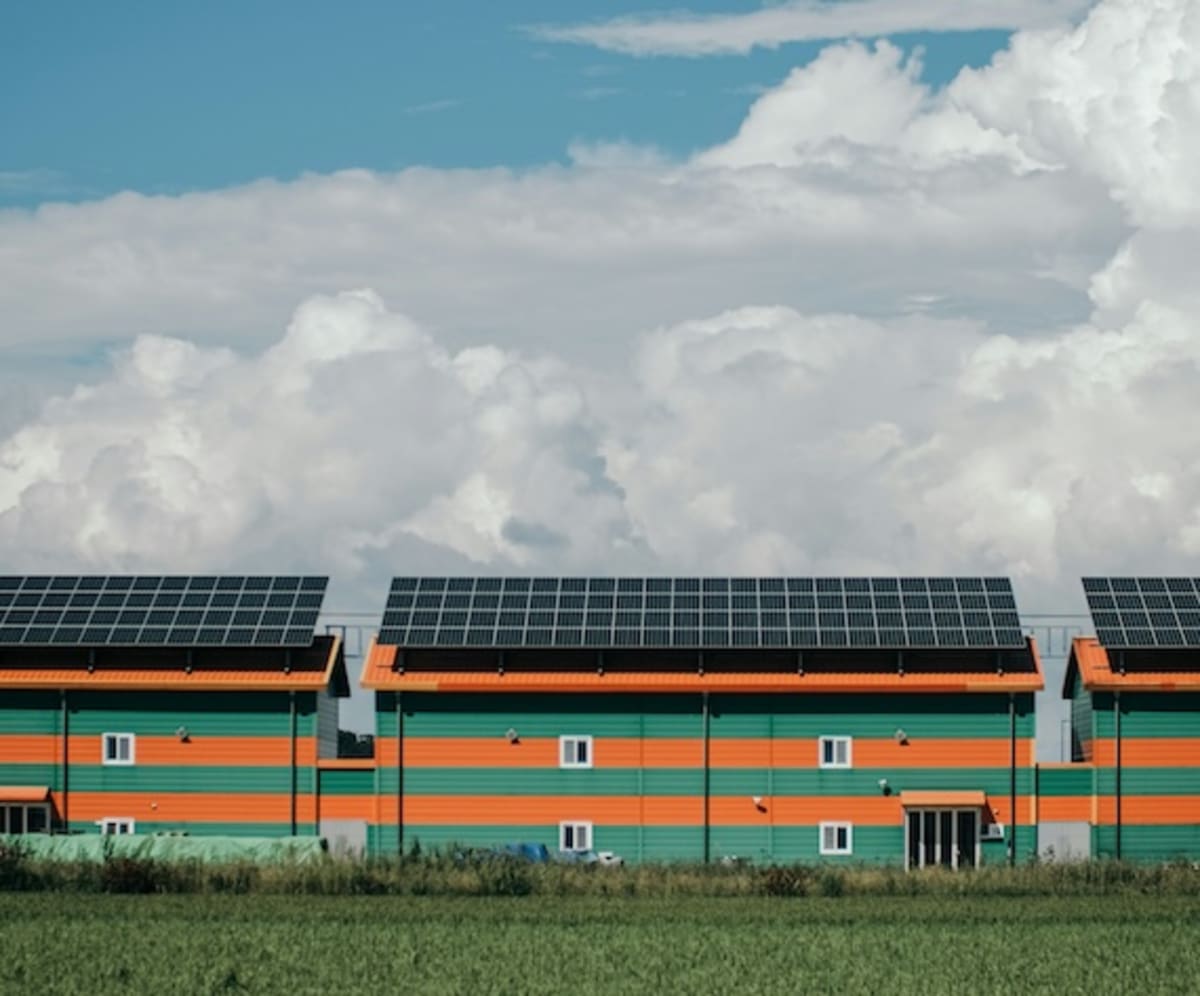
The transformation plan is bold and practical. The government will build 10 massive solar complexes across eastern Gangwon Province, central Chungheong Province, and the Seoul metro area, generating 12 gigawatts. Another 44 gigawatts will come from solar panels installed on rooftops, factories, roads, and parking lots.
Coal currently generates 32.6% of South Korea's electricity, with fossil gas adding another 24.9%. That's nearly 60% of power coming from expensive, polluting sources that rely on unstable global markets.
The timing couldn't be better for the switch. Solar electricity costs just 5 to 8 cents per kilowatt hour, while liquefied natural gas runs 12 cents. Once solar panels are installed, the fuel is free forever.
Electric vehicle adoption is surging too. Tesla sales jumped 445% from January to April, with Korean automaker Kia selling even more EVs. As the grid gets cleaner, every new electric car makes an even bigger dent in carbon emissions.
The Ripple Effect
South Korea's energy revolution signals something bigger happening worldwide. Past oil crises saw people temporarily cut back on driving and energy use, only to return to old habits when prices dropped.
This time is different. Once people experience paying 5 cents for solar electricity instead of 12 cents for gas-generated power, they never go back. Once drivers discover how much cheaper electric vehicles are to run, fossil fuels lose those customers forever.
The Persian Gulf crisis isn't just raising prices temporarily. It's accelerating a permanent shift away from fossil fuels in one of Asia's largest economies. South Korea's energy independence push shows how geopolitical instability is becoming the unexpected catalyst for climate action.
As Korean companies Hyundai and Hanwha race to develop solar panels that can compete with China's dominance of the global market, they're not just building an industry but securing their country's energy future.
The fossil fuel era isn't ending because it ran out, but because something better and cheaper came along.
Based on reporting by Google News - Wind Energy
This story was written by BrightWire based on verified news reports.
Spread the positivity!
Share this good news with someone who needs it

