South Korea Triples Green Energy to Save $12B Annually
South Korea is nearly tripling its renewable energy capacity by 2030, slashing its fossil fuel import costs by $12 billion per year while building a cleaner, more secure energy future. The shift protects the nation from volatile global energy markets while creating thousands of new jobs.
South Korea just made a massive bet on its clean energy future, and the payoff could reshape the entire nation's economy.
The country plans to nearly triple its renewable energy capacity from 37 gigawatts to 100 gigawatts by 2030. That expansion will slash South Korea's annual fossil fuel import bill from $25 billion to around $13 billion, according to new research from energy think tanks Ember and Global Energy Monitor.
The timing couldn't be better. Global gas prices jumped 41% this year following disruptions in the Middle East and the closure of the Strait of Hormuz. South Korea, which spends more of its GDP on fossil fuel imports than 94% of the world's population, has felt every spike acutely.
Wind and solar projects are already delivering real savings. Researchers estimate these technologies will save South Korea $4.7 billion in fossil fuel costs during 2026 alone.
Matt Ewen, an energy analyst at Ember, explains why this matters so much. "South Korea is one of the most exposed countries in the world to oil and gas price shocks," he says. "Renewable energy can help provide the country with the secure, cheap power it needs to shield itself against future price shocks."
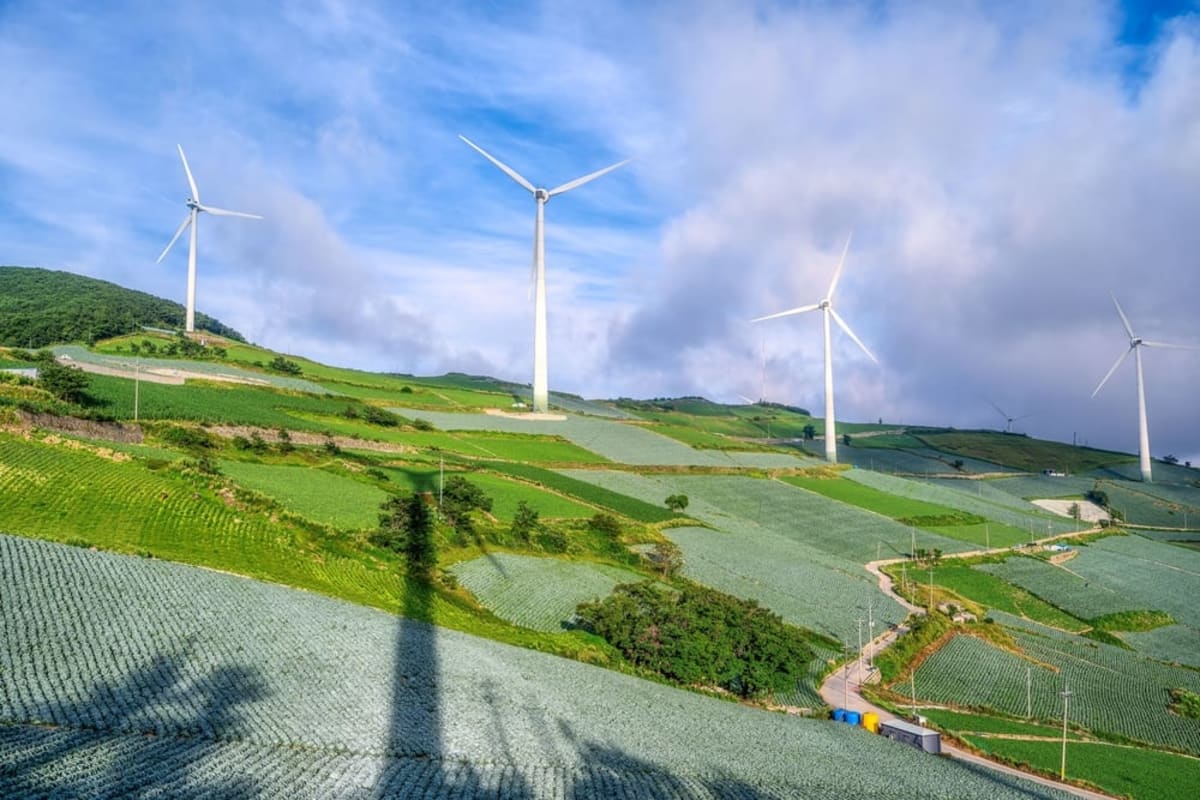
The country's strategy includes expanding rooftop solar, floating solar farms, agricultural solar projects, and accelerating offshore wind development. If current solar growth continues and planned wind projects finish on schedule, South Korea could reach 92 gigawatts before the decade ends.
The Ripple Effect
Every new gigawatt of renewable capacity keeps money circulating inside South Korea's economy rather than flowing overseas to fossil fuel exporters. That means more jobs for Korean workers and more investment in Korean communities.
Yonghun Song, Chief Technology Officer of NEXT group, captures the broader economic transformation underway. "Every gigawatt of renewable capacity installed is money that stays in South Korea rather than flowing to a fossil fuel exporter."
South Korea is pairing its renewable energy expansion with electrification programs and energy storage systems. Together, these create a more resilient energy grid that can weather future crises while steadily reducing carbon emissions.
The nation's renewable revolution proves that climate action and economic security don't have to be competing priorities. Sometimes the greenest path forward is also the smartest financial decision a country can make.
More Images


Based on reporting by Google News - Emissions Reduction
This story was written by BrightWire based on verified news reports.
Spread the positivity!
Share this good news with someone who needs it