South Korea Women in Science Reach 24% of R&D Workforce
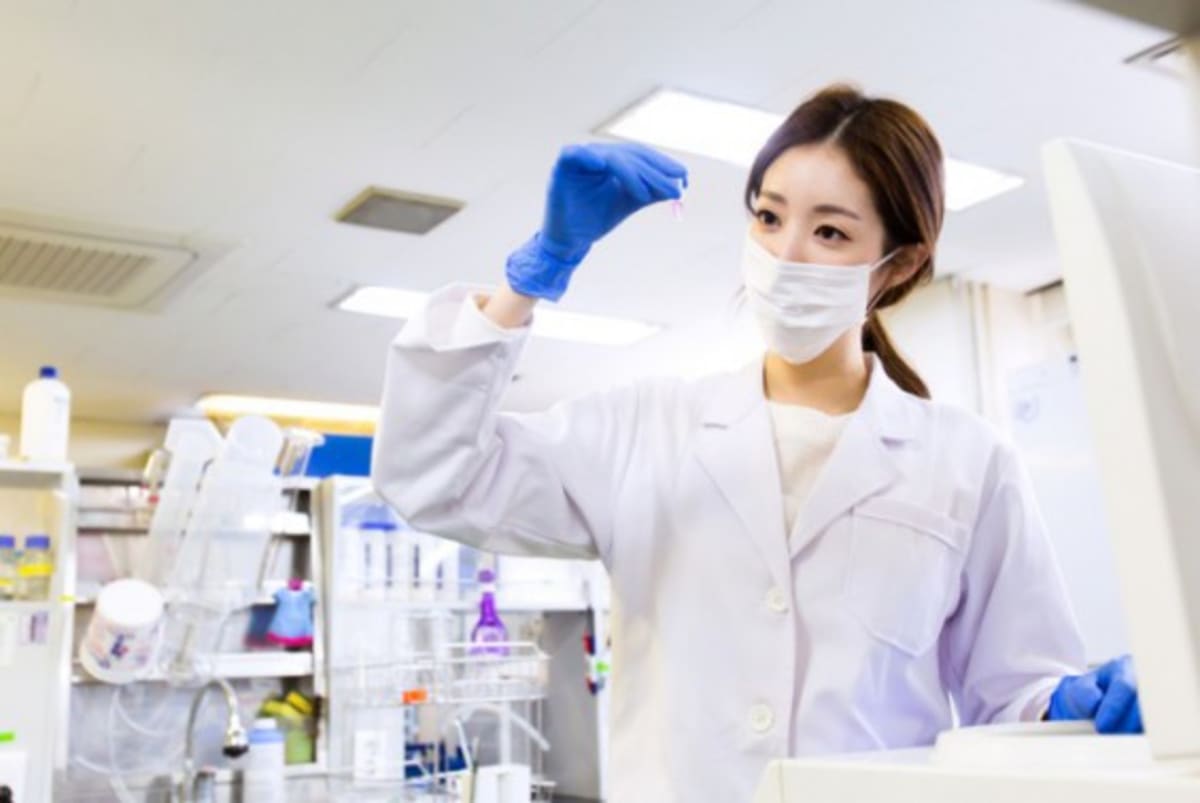
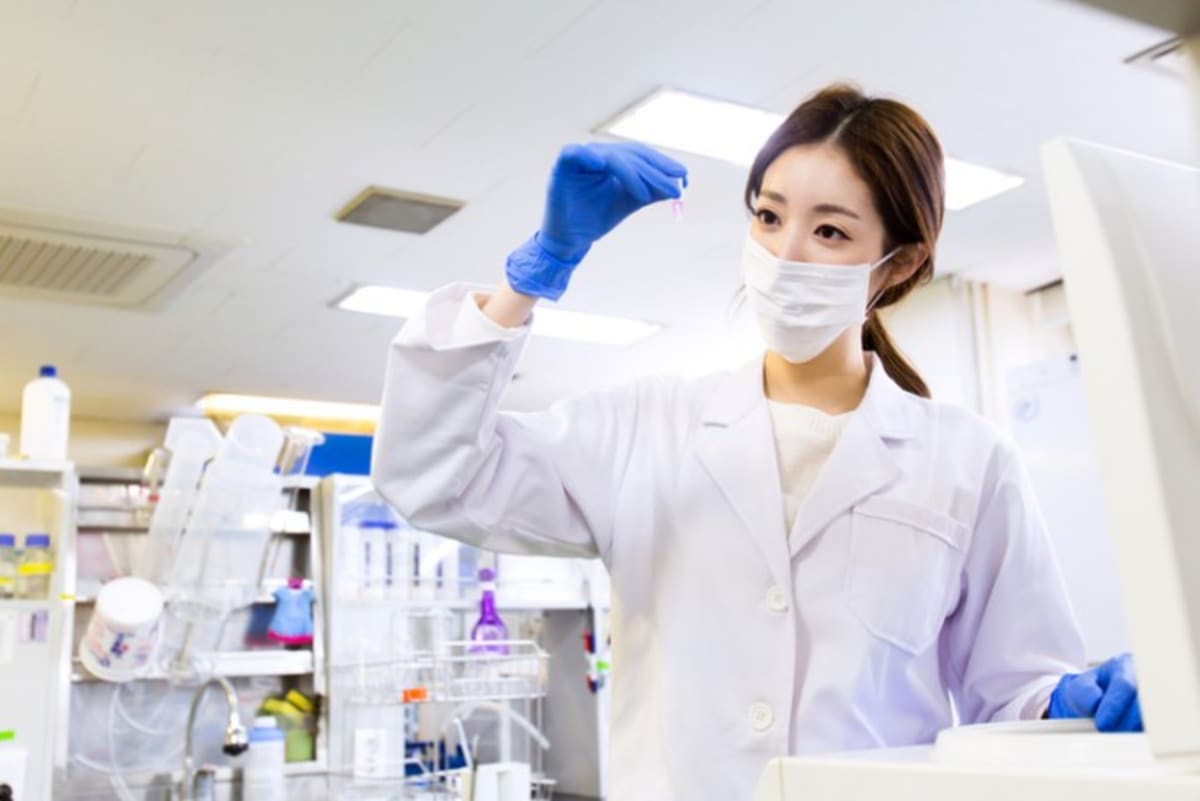
Women now make up nearly a quarter of South Korea's science and technology workforce, marking five consecutive years of growth in a field traditionally dominated by men. The latest survey shows progress across every measure, from new hires to leadership roles.
South Korea's science and technology sector just hit a milestone that signals real change for gender equality in innovation fields.
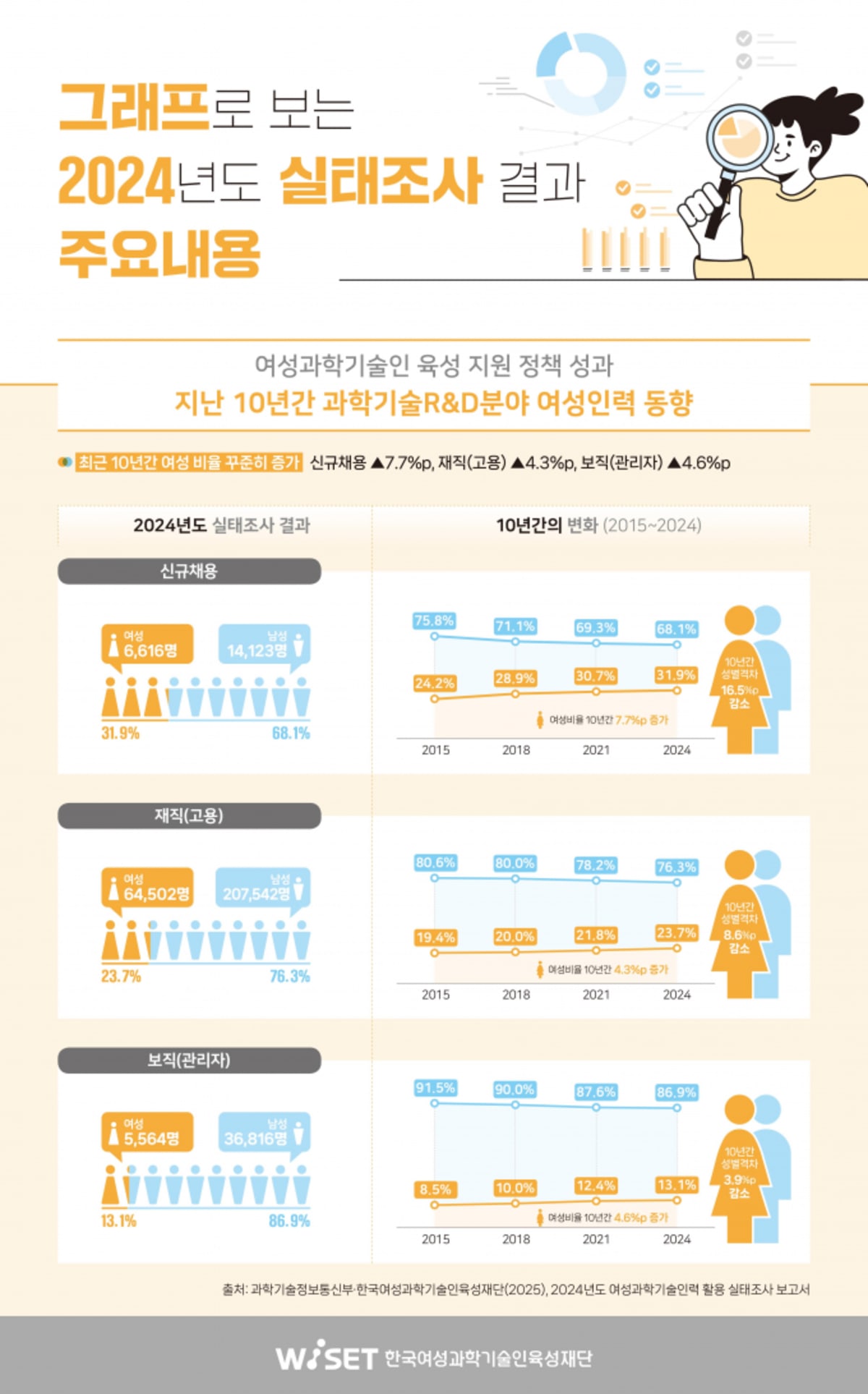
Women now represent 23.7% of all research and development personnel in the country's science and technology sector, up from 21.5% just four years ago. The 2024 Survey on the Utilization of Female Scientists and Engineers tracked 5,138 research institutions nationwide and found consistent improvement across every key indicator.
The gains go beyond just headcount. Among newly hired R&D workers, women now make up 31.9% of the talent pool, nearly a four percentage point jump since 2020. Private research institutes showed the strongest momentum, increasing their female hiring rate by 7.3 percentage points over five years to reach 28.2%.
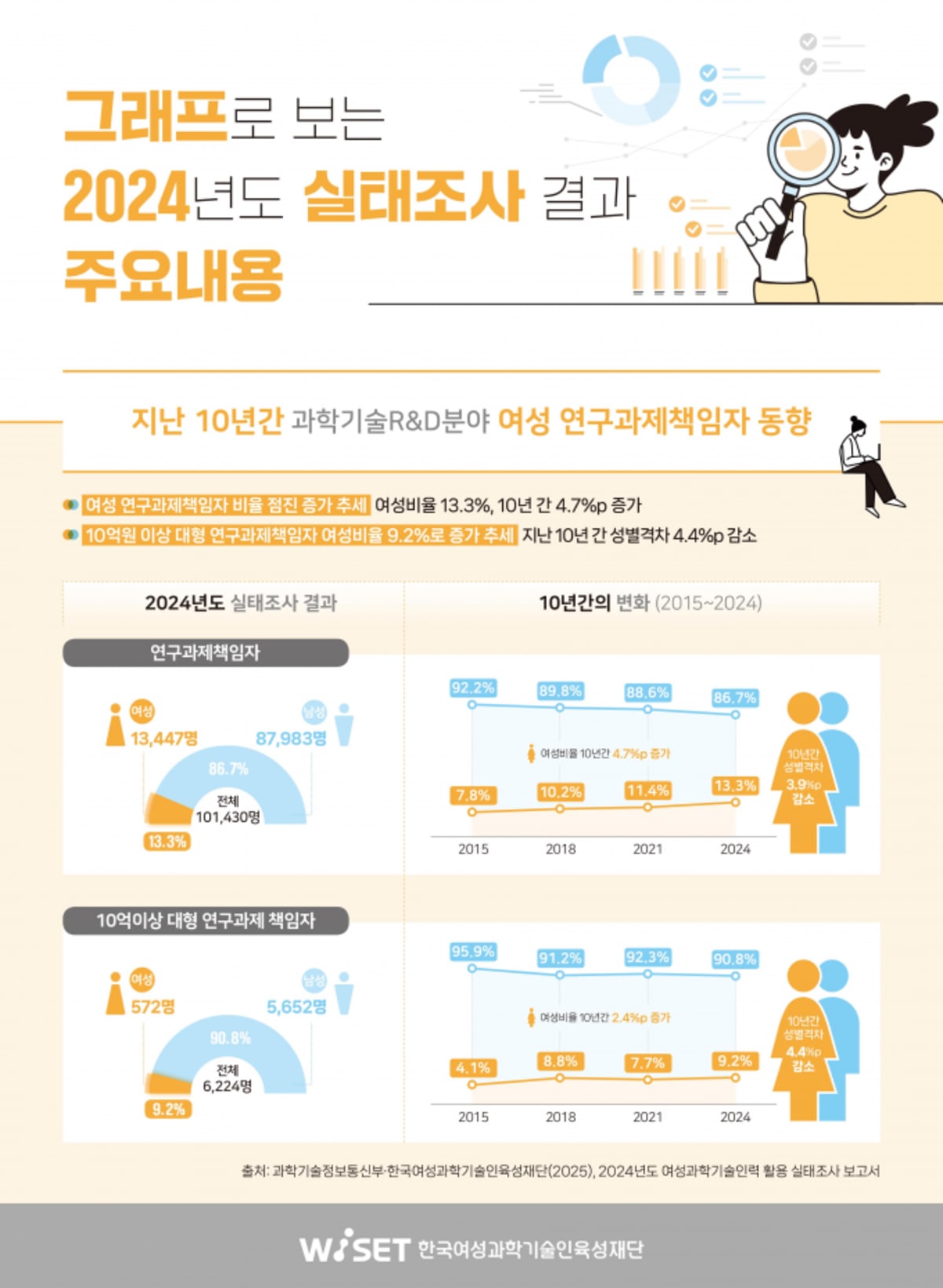
Leadership positions tell an equally encouraging story. Women in managerial roles climbed from 12.0% to 13.1% over the past five years. Female promotions increased from 16.6% to 19.1%, and women leading their own research projects as principal investigators rose from 11.4% to 13.3%.
The data reveals that science and engineering universities lead the way with 30.0% female representation, followed by public research institutes at 26.5%. Private institutes, while still at 19.5%, are closing the gap faster than other sectors.
The Ripple Effect
These numbers represent more than statistical progress. In a country facing population decline, expanding the talent pool for science and technology roles directly strengthens national competitiveness and innovation capacity.
The survey also found that 92.3% of institutions now operate legally required family support systems like maternity leave and childcare leave. Voluntary programs such as lactation facilities, flexible work arrangements, and substitute personnel during parental leave jumped from 47.0% to 57.0% of institutions over five years.
This workplace infrastructure matters because it helps women stay in science careers long term, not just enter them. When talented researchers can balance family life with demanding R&D work, everyone benefits from their continued contributions.
Lee Jun-bae, Director-General of the Future Human Resources Policy Bureau, emphasized that supporting female scientists and engineers protects the country's innovation capacity. The government plans to continue expanding opportunities across all fields.
The annual survey, conducted since 2005, provides the data foundation for national policy decisions on science and technology workforce development.
South Korea's steady progress shows that systemic change happens through consistent effort, and the momentum is building in the right direction.
More Images

Based on reporting by Regional: south korea technology (KR)
This story was written by BrightWire based on verified news reports.
Spread the positivity!
Share this good news with someone who needs it