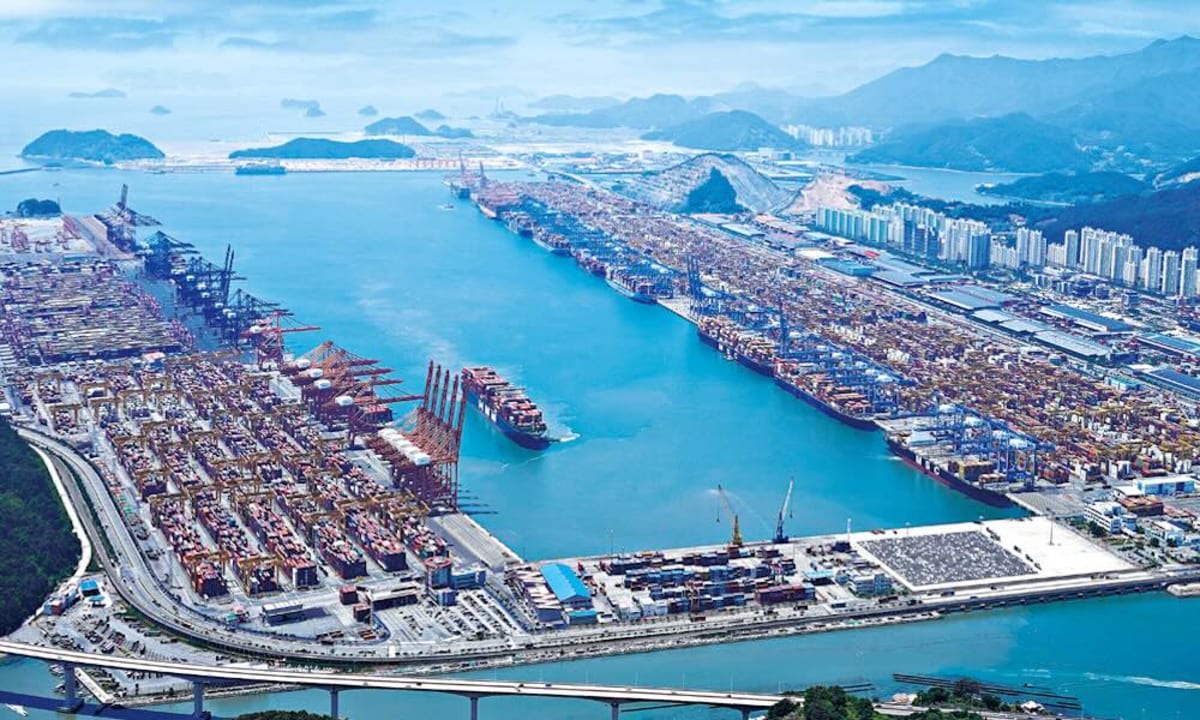
South Korea's AI Ports Target 30% Productivity Boost by 2035
South Korea just launched an ambitious plan to transform its ports with artificial intelligence, aiming for a 30% jump in productivity and a slice of the global market. The strategy includes autonomous cranes, self-driving vehicles, and systems that will make dangerous jobs safer for workers.
South Korea is giving its shipping ports a major tech upgrade that could change how cargo moves around the world.
The country just unveiled a national strategy to bring artificial intelligence to its ports, with goals that sound like science fiction but are set to become reality by 2035. The Ministry of Oceans and Fisheries plans to boost port productivity by 30% and capture 10% of the global port equipment market.
The transformation will feature autonomous quay cranes that operate themselves and automated guided vehicles that navigate without human drivers. Real-time AI systems will control and optimize entire terminal operations, making split-second decisions about where containers should go and when.
Safety is a huge part of the plan. The government will automate hazardous tasks that currently put workers at risk, including container twistlock handling and mooring operations. These jobs have long been among the most dangerous in port work.
Gwangyang port will serve as the testing ground, with the government considering an advanced port technology institute there for data collection, equipment trials, and performance certification. The real showcase comes in 2032 when the first phase of Jinhae port opens as a fully integrated smart port.
The strategy addresses a real competitive gap. Busan, South Korea's busiest port, currently moves 75 containers per hour compared to 80 in Singapore and an impressive 116 in Qingdao, China. These numbers matter because faster ports mean lower costs for everyone who buys imported goods.
The Ripple Effect
This initiative reaches far beyond Korea's coastline. The government expects the technology to create a $1.8 billion domestic market for autonomous cargo handling equipment and AI terminal systems. That means thousands of new jobs in tech development, manufacturing, and maintenance.
The plan includes port-specific AI data centers and smart logistics hubs that will connect to a manufacturing cluster around Jinhae. This cluster will serve shipbuilding, defense, and cargo handling industries, creating an innovation ecosystem that other countries are already watching closely.
South Korea is also committed to sharing this technology globally, with cooperation agreements already in place with the United Arab Emirates. As Korean companies develop expertise, they'll help modernize ports worldwide, spreading efficiency and safety improvements across international trade routes.
By 2040, when Jinhae's second phase completes, South Korea expects its port technology to be the global standard, with other nations adopting Korean-designed systems at their own facilities.
A smarter, safer future for global trade is loading up at Korean docks.
More Images
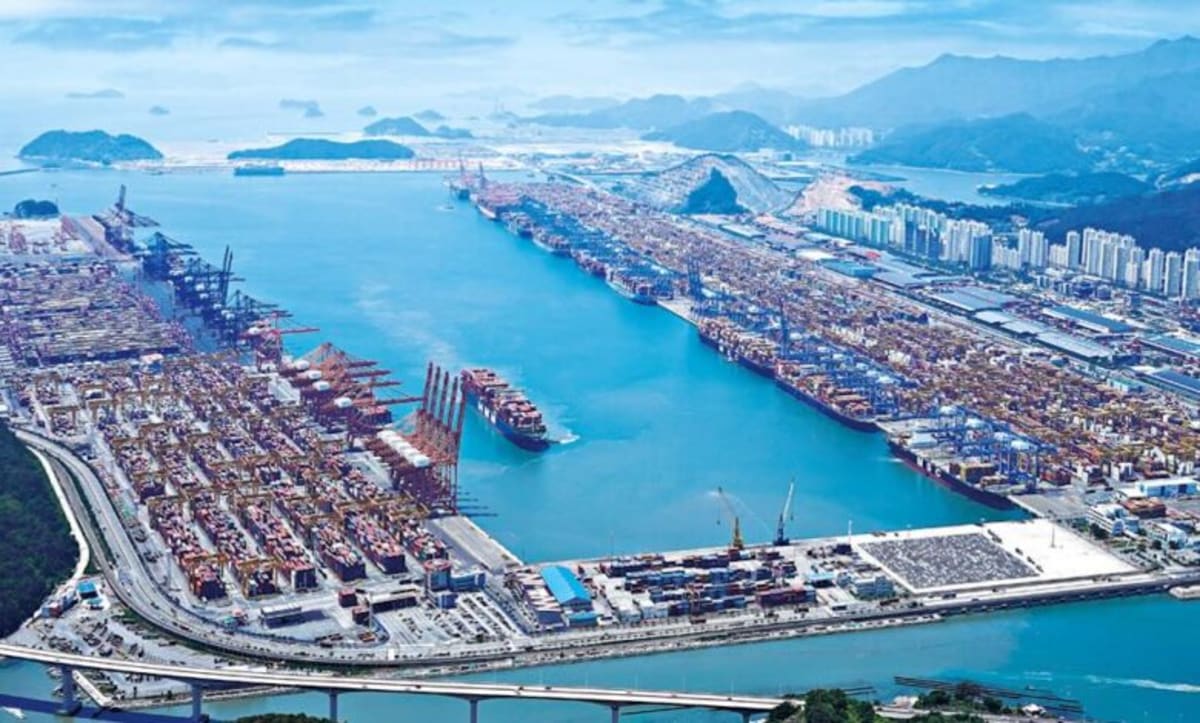

Based on reporting by Regional: south korea technology (KR)
This story was written by BrightWire based on verified news reports.
Spread the positivity!
Share this good news with someone who needs it