South Korea's First Liquid Air Battery Goes Live
South Korea is building its first large-scale liquid air energy storage system that turns air into a giant battery for renewable energy. The breakthrough technology will store enough power to help balance the grid when solar and wind energy aren't available.
Imagine turning the air you breathe into a massive battery that stores renewable energy for when the sun isn't shining and the wind isn't blowing.
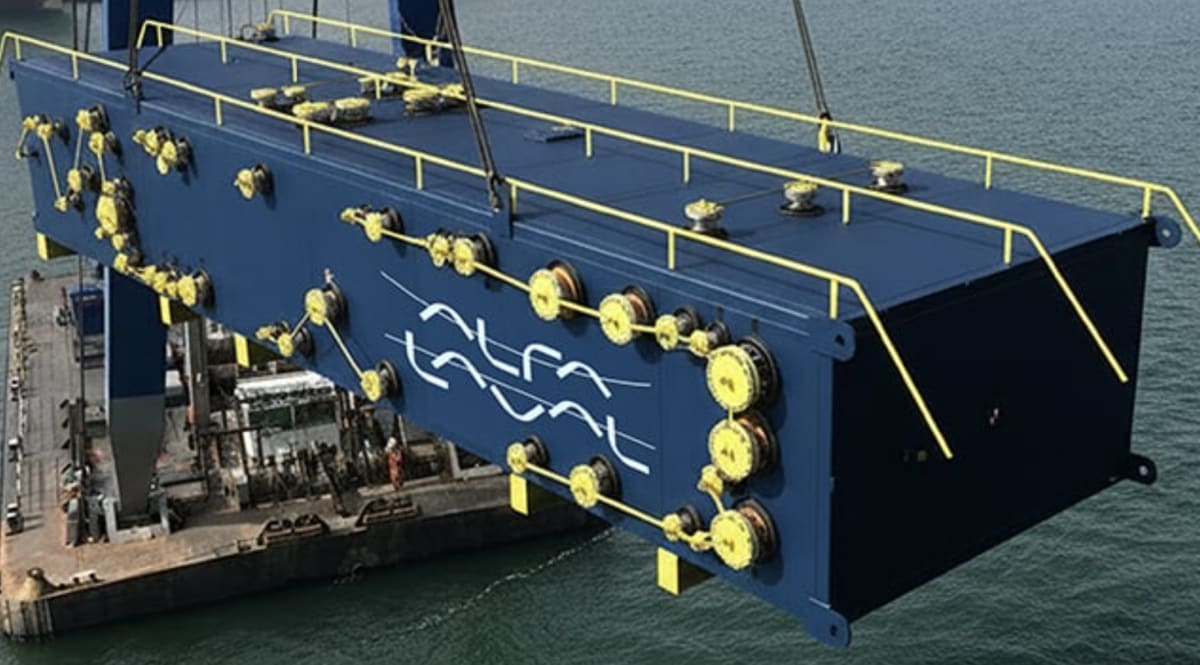
That's exactly what's happening in South Korea right now. Alfa Laval and IAE just announced plans to build the country's first large-scale liquid air energy storage system, a game-changing solution for one of renewable energy's biggest challenges.
The facility will liquefy up to 10 tons of air every single day. When electricity demand spikes or renewable sources can't keep up, that stored liquid air gets converted back into power for the grid.
Here's how it works in simple terms. The system takes regular air and cools it down to extremely cold temperatures until it becomes liquid. That liquid air sits in storage tanks until it's needed. When demand for electricity rises, the liquid air warms up, expands back into gas, and drives turbines to generate power.
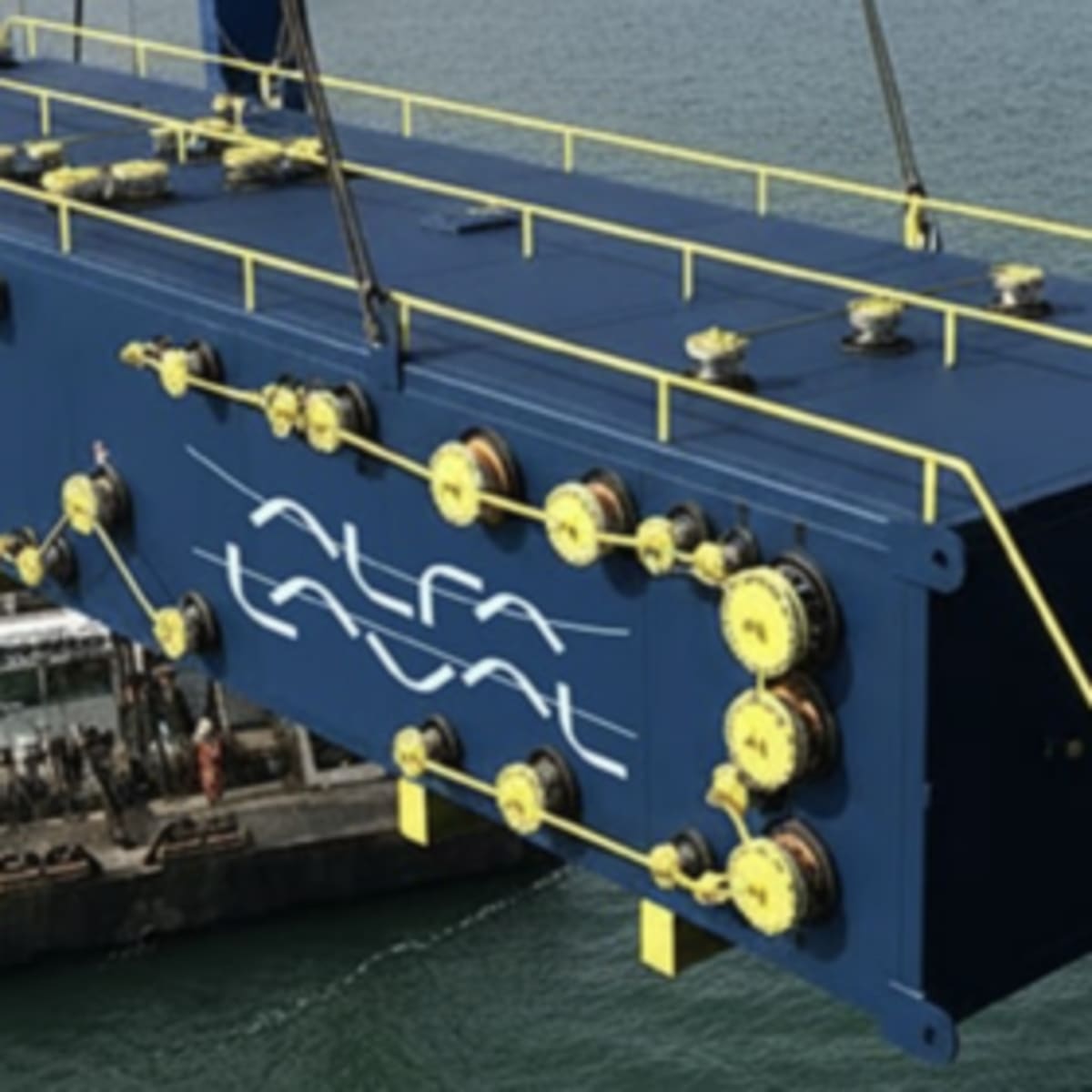
Alfa Laval is providing the specialized equipment needed to handle these ultra-cold temperatures, including custom heat exchangers and a 10-stage vertical pump designed specifically for liquid air. IAE brings the system design and local engineering expertise to make it all work together.
The Ripple Effect
This project represents a major step forward for South Korea's clean energy future. As the country adds more solar panels and wind turbines to its grid, it needs reliable ways to store that energy for cloudy days and calm nights.
Liquid air storage solves a problem that batteries alone can't fully address at this scale. Unlike lithium-ion batteries that degrade over time, liquid air systems can store massive amounts of energy for long periods without losing capacity.
The technology also uses no rare earth materials and produces no harmful emissions. It's essentially capturing energy in one of the most abundant resources on the planet.
South Korea joins a growing number of countries exploring liquid air storage as part of their renewable energy strategies. As this first facility proves the concept works, it could pave the way for similar projects across Asia and beyond.
Sometimes the best solutions are hiding in plain sight, or in this case, floating all around us.
More Images
Based on reporting by PV Magazine
This story was written by BrightWire based on verified news reports.
Spread the positivity!
Share this good news with someone who needs it