South Korea's World Cup Team Mirrors Nation's Global Rise
From airport protests to global swagger, South Korea's football transformation reflects a cultural awakening. The team's journey from 2014's low point to 2026's confidence tells a bigger story about a nation claiming its place on the world stage.
South Korea's national football team isn't just winning games anymore. They're reflecting an entire country's transformation from underdogs to global players.
When the team failed to win the Asian Cup in 2024, hundreds of angry fans greeted them at Seoul's Incheon Airport demanding accountability. "Do you plan on resigning?" a journalist asked then-manager Jurgen Klinsmann after a semi-final loss to Jordan. The reaction shows how much has changed since 2014, when South Koreans were just happy their team showed up.
That year in Brazil marked rock bottom. South Korea lost every World Cup match for the first time since 1998, dropping to 69th in FIFA's world rankings. None of their players competed for top European clubs, and the team limped home in disappointment.
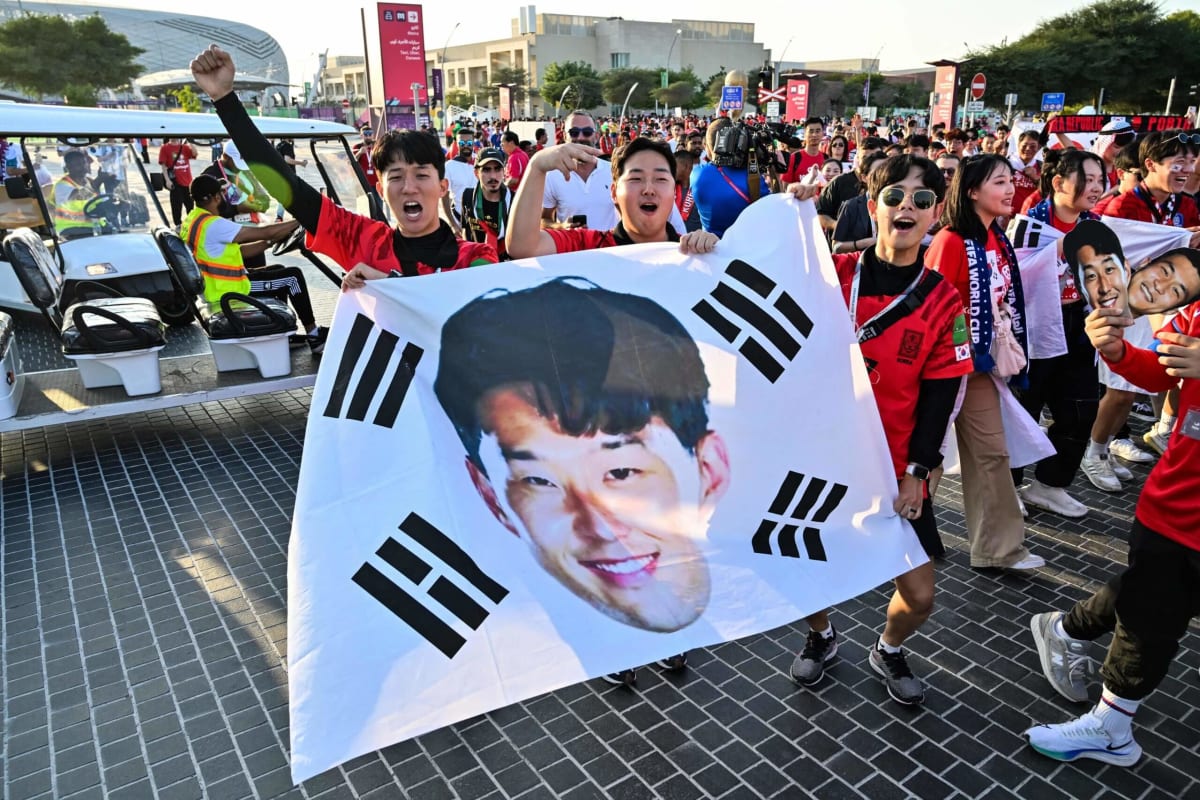
Twelve years later, everything looks different. Son Heung-min captains the squad after a brilliant career with Tottenham Hotspur. Lee Kang-in plays for Paris Saint-Germain, while Kim Min-jae anchors Bayern Munich's defense. These athletes have lifted South Korean football to heights once unimaginable.
But the shift runs deeper than sports. BTS conquered global pop music while "Squid Game" became Netflix's biggest hit and "Parasite" won Best Picture at the Oscars. Samsung and LG phones sit in millions of Western pockets. An entire cultural wave has swept outward from Seoul.
"There's definitely more of a sense of national confidence, which you can also see in our football culture," says fan Lee Keung-hun. "Before there was a 'happy to be there' mentality, but now maybe there's a psychological shift."
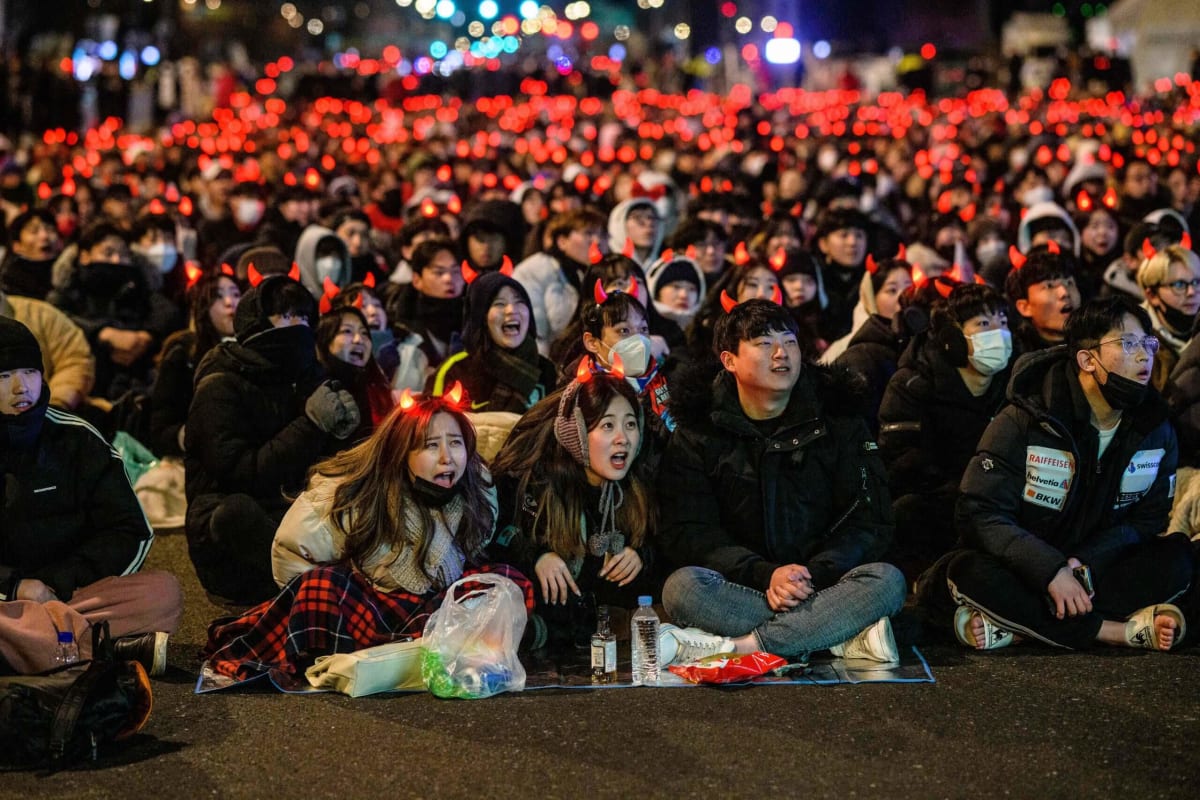
That confidence comes with pressure. When South Korea hosted the 2002 World Cup with Japan, millions flooded the streets in red to celebrate a stunning run to the semi-finals that included victories over Portugal, Italy, and Spain. Those scenes of unity created modern Korean football fandom and spawned the Red Devils supporters club.
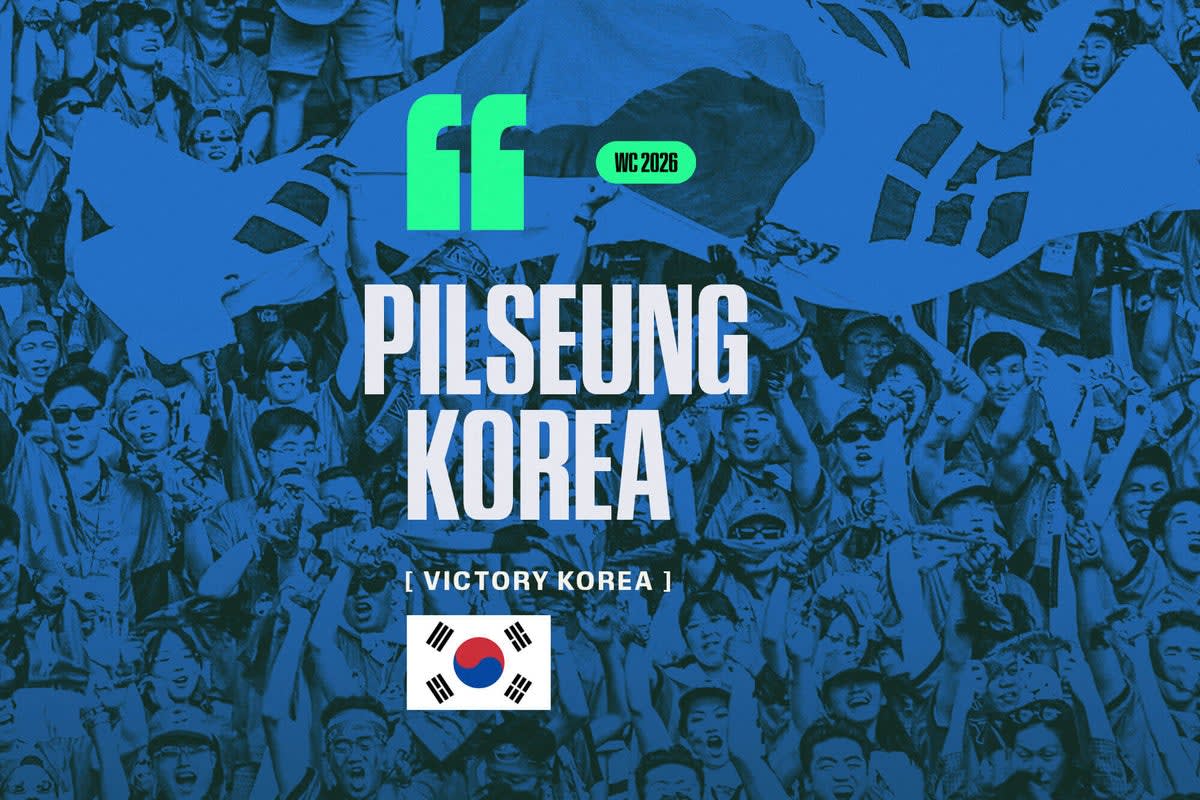
Each World Cup since has brought official marketing slogans, from "Be the Reds" in 2002 to "Beyond Limits, United Reds" for 2026. But fans stick to their own rallying cry that has endured for years: "Pilseung Korea," meaning "victory Korea" or simply "we will win."
"It is no doubt the most popular song for the Korean football team," explains fan Kim Na. "Being a fan of the Korea team means having passion, pride, and a fighter mentality, especially in big international tournaments where the nation comes to fight against world football giants to prove their worth."
The generational divide reveals the complexity of this transformation. Older Koreans sometimes worry that traditional values are weakening amid Western influence. Younger fans feel national pride bordering on swagger, though they also face intense pressure for perfection in everything from academics to athletics.
The Ripple Effect
South Korea's football renaissance mirrors its broader cultural export boom. When Son scores for Tottenham, he doesn't just represent his club but carries the hopes of 51 million people finding their voice globally. When millions wear red and chant "Pilseung Korea," they're not just supporting a team but declaring their nation's arrival as a cultural superpower.
The 2002 World Cup showed Koreans what collective passion could achieve. That tournament created a generation of football lovers who expected excellence rather than participation. Now their athletes deliver at the highest levels, playing for elite European clubs and commanding respect worldwide.
This journey from 69th in world rankings to legitimate contenders captures something universal about belief and transformation. South Korea decided it belonged on football's biggest stages, then made it happen through talent, determination, and unwavering support.
As the 2026 World Cup approaches, Korean fans won't settle for moral victories or respectful defeats; they expect their team to compete with anyone, anywhere, because that's exactly what their culture does now across music, film, technology, and sports.
More Images

Based on reporting by Google: world cup victory
This story was written by BrightWire based on verified news reports.
Spread the positivity!
Share this good news with someone who needs it
%2Ffile%2Fattachments%2F2996%2F10108708_856257.jpg)
