Southeast Asia Launches Faster Disaster Response System
Ten Southeast Asian nations are creating a new framework to help communities before disasters strike, not just after. The initiative could protect a region facing $18 trillion in disaster risk.
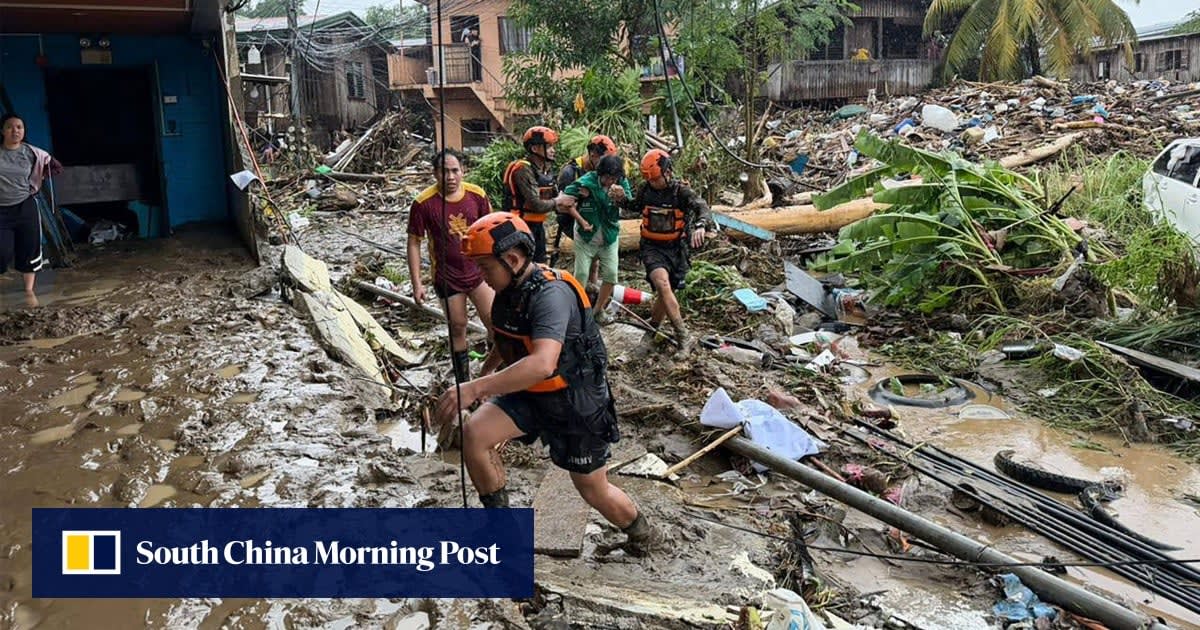
Southeast Asia just took a major step toward saving lives before disasters hit instead of only responding after tragedy strikes.
The Association of Southeast Asian Nations unveiled ASPECT, a new disaster response framework designed to help vulnerable communities faster and more effectively. Ten member countries agreed to the plan at a March meeting in Manila, addressing a critical gap in how the world's most disaster-prone region handles emergencies.
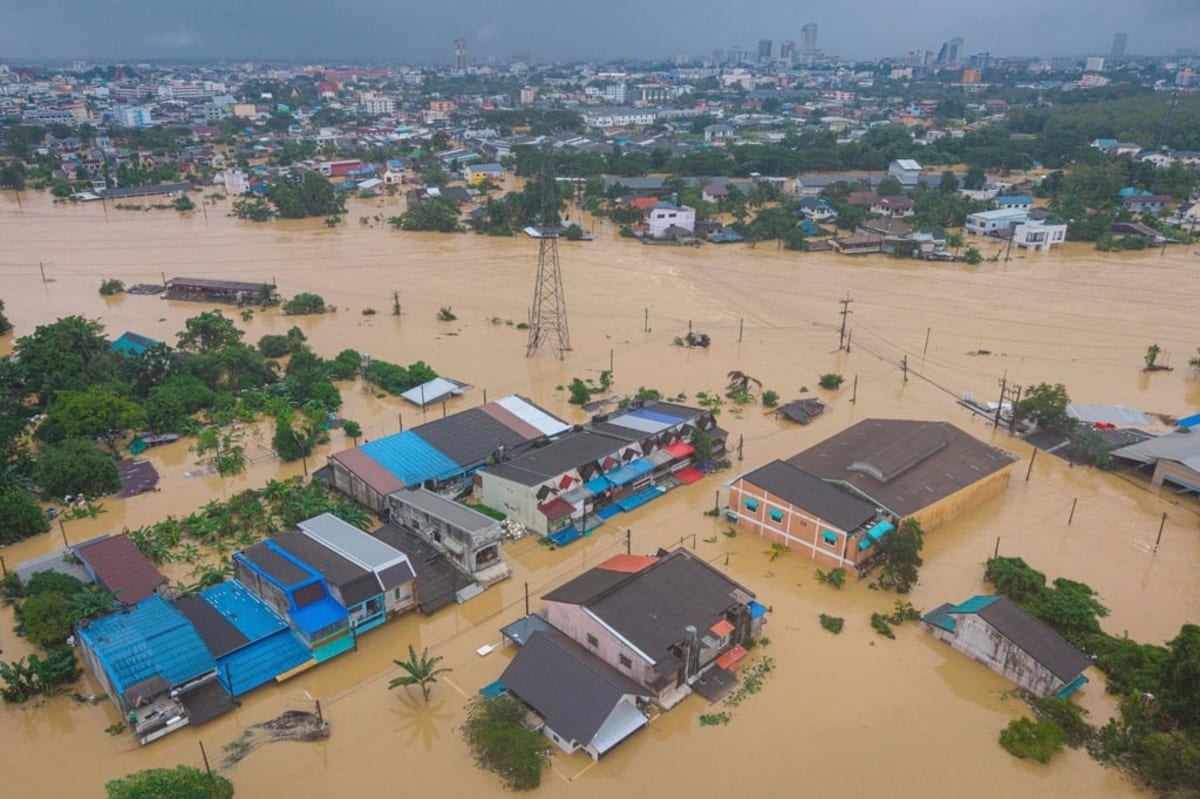
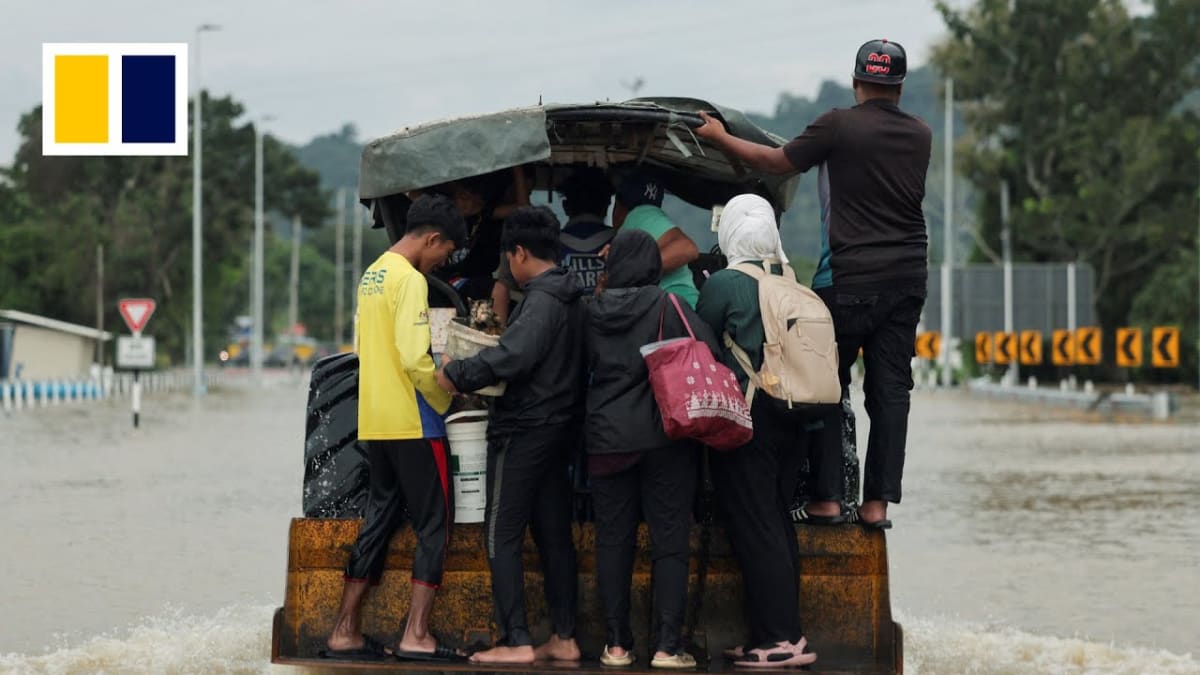
The timing couldn't be more urgent. Southeast Asia faces nearly $18 trillion in disaster risk exposure, which is six times larger than the entire region's economic output. With 90 percent of annual disasters coming from floods and tropical cyclones that can be predicted, experts say waiting for formal requests wastes precious time.
"There is a golden window where a country doesn't have to declare a disaster and wait for it to get bigger," said Adelina Kamal, a former executive director at the region's disaster coordination center. The new system would let countries act on early warnings instead of political decisions.
The region already has strong disaster cooperation compared to other developing areas. The existing treaty, created after the devastating 2004 tsunami that killed over 200,000 people, established a coordination center that has successfully helped during major crises like Typhoon Haiyan.
But implementation has been uneven. Countries like Singapore and Malaysia have robust systems, while others like Cambodia and Laos face capacity gaps that complicate regional coordination.
The Ripple Effect
ASPECT changes the game by using criteria like risk levels and humanitarian need to trigger action, not just waiting for official requests. This means pre-positioning emergency supplies, funding disaster-resistant housing, and mobilizing help while there's still time to prevent the worst impacts.
The framework strengthens what analysts call "anticipatory action," giving communities protection before storms make landfall or floods reach homes. For millions living in flood zones and typhoon paths, this shift from reactive to proactive could mean the difference between safety and catastrophe.
Rex Gatchalian, Philippine social welfare secretary, called it a commitment to "One Asean, One Response to leaving no one behind, especially sectors in vulnerable situations."
The region's disaster cooperation already leads the Global South, and ASPECT builds on that foundation. With climate change making disasters more complex every year, the upgrade arrives at exactly the right moment.
Southeast Asia is showing the world that protecting people doesn't have to wait for permission.
More Images
Based on reporting by South China Morning Post
This story was written by BrightWire based on verified news reports.
Spread the positivity!
Share this good news with someone who needs it