Southeast Asia Network Empowers Women in Conservation
A peer-support program connecting female conservation workers across Southeast Asia is helping women overcome isolation and build lasting careers. The initiative is filling critical gaps in a sector where women face unique barriers despite making essential contributions.
When Jessa Cabaay started working in marine conservation in the Philippines, she was often the only woman in the room. Older male fishers questioned her credibility and ignored her suggestions for managing marine protected areas, assuming women belonged in domestic roles rather than leadership positions.
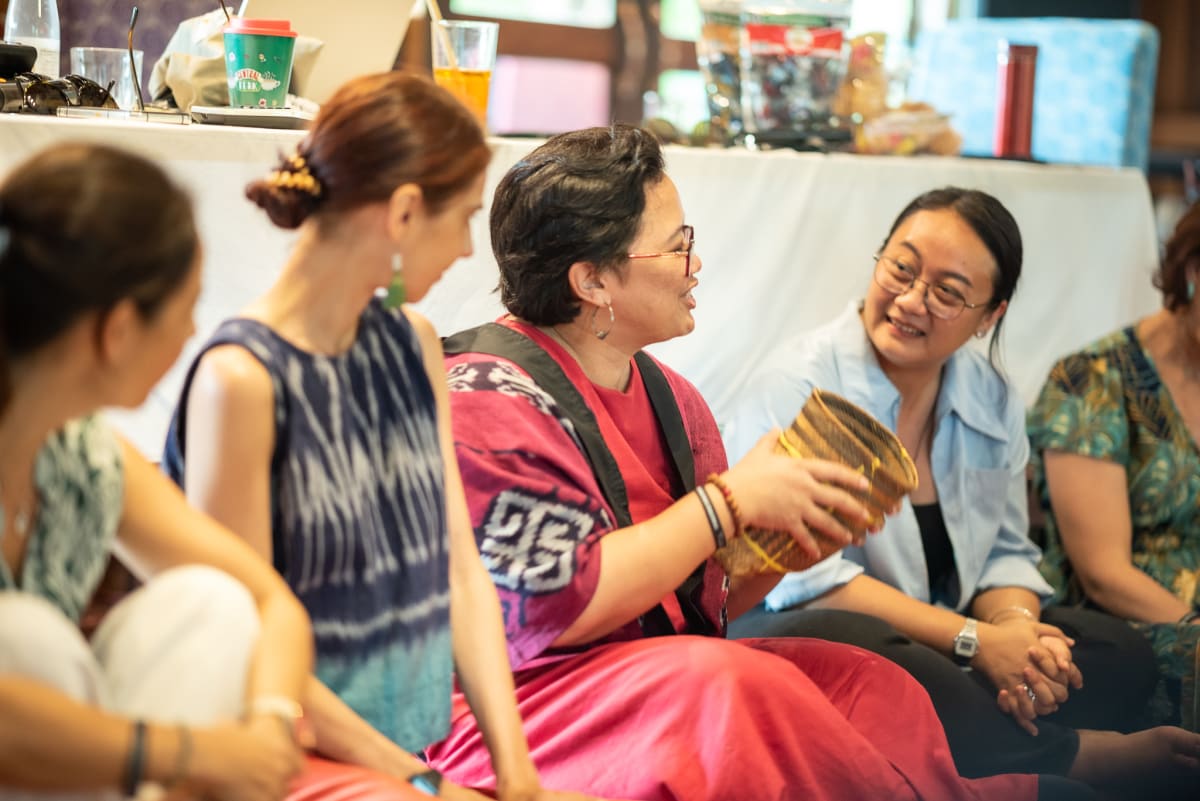
Without female colleagues to turn to, Cabaay struggled through those early career challenges alone. But in 2021, everything changed when she joined the Network of Women (NOW), a peer-support initiative connecting female conservation professionals across Southeast Asia.
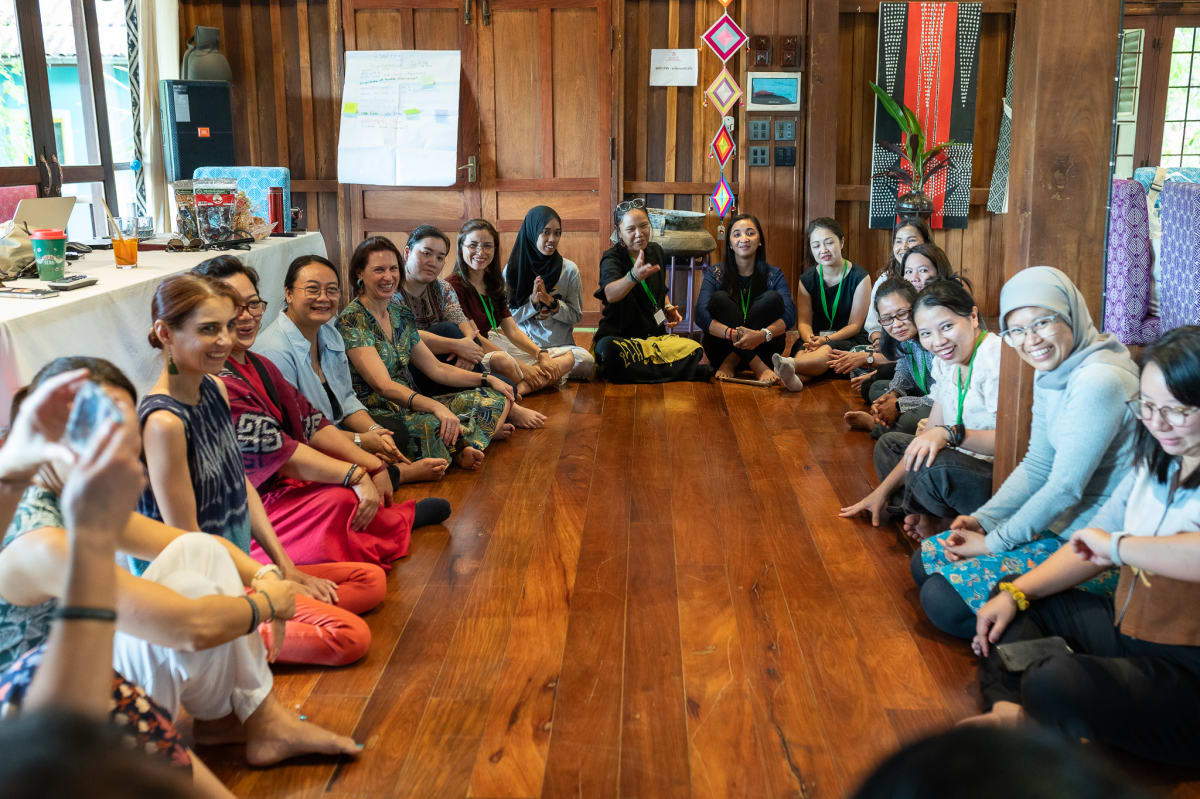
The program, led by the Asian Species Action Partnership based in Singapore, combines leadership workshops with an online platform where women share experiences and advice. For Cabaay, now technical manager at Community Centered Conservation, connecting with other women facing similar struggles transformed her career.
"I realized I'm not struggling alone," she says. "We all feel the same."
Research shows Cabaay's experience reflects widespread challenges. A 2023 study of over 2,300 conservation professionals across 122 countries found women face the highest risk of job-related psychological distress, with 29% reporting they missed career advancement opportunities because of their gender.
Women in conservation face sexual harassment, inadequate field safety, pay gaps, limited career progression, and pressure to balance irregular hours with family expectations. These barriers push many talented professionals toward burnout or leaving the field entirely.
The Ripple Effect
Programs like NOW are changing that trajectory. Women in the network report improved confidence, better well-being, and a stronger sense of belonging in a field where they previously felt isolated.
Cabaay says the support helped her recognize that her collaborative approach, centered on listening and empathy, is a strength rather than a weakness. She's earned the trust of fishing communities by staying true to herself.
"I don't need to change who I am in order to lead," she says. "Gentleness can be a powerful tool in conservation."
Social scientist Marcela Márquez-García, who studies gender barriers in conservation, says these networks fill institutional voids by giving women safe spaces to share openly. That simple connection can reduce isolation and build the confidence women need to stay in their careers.
While peer support addresses immediate needs, experts emphasize that broader institutional changes are still necessary. The conservation sector must create genuinely safe and inclusive working environments for everyone.
But for now, women across Southeast Asia are finding strength in community, proving that supporting each other creates lasting change for both people and the planet.
More Images

Based on reporting by Mongabay
This story was written by BrightWire based on verified news reports.
Spread the positivity!
Share this good news with someone who needs it