Southeast Asia Slashes Malaria Cases 67% Since 2010
Three Southeast Asian nations have cut malaria transmission by two-thirds in 15 years and are now pushing toward complete elimination by 2030. Vietnam, Cambodia, and Laos have reduced cases to the low hundreds, putting them within reach of becoming malaria-free.
Malaria could soon disappear from Southeast Asia after a stunning 67% drop in transmission over the past 15 years.
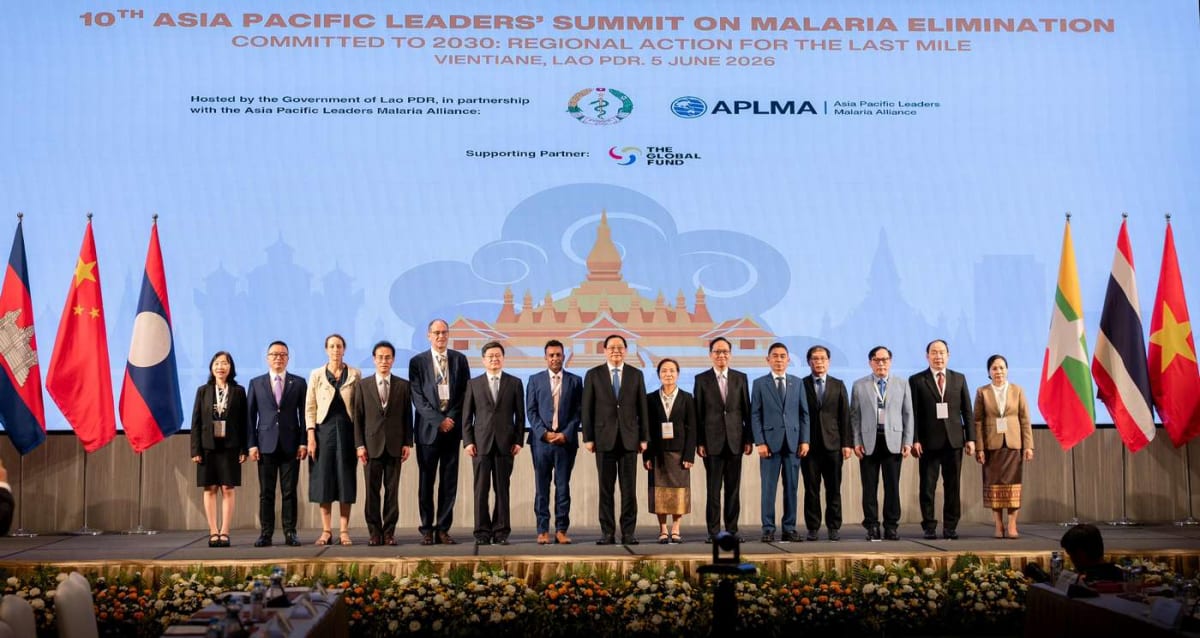
Vietnam, Cambodia, and Laos have driven malaria cases down to just hundreds per year, putting them on track to join Egypt as the next countries certified malaria-free by the World Health Organization. Leaders from all three nations gathered in Laos this June to plan the final push toward complete elimination by 2030.
The dramatic decline comes from years of cooperation between neighboring countries that recognized mosquitoes don't respect borders. Health officials ramped up surveillance to catch cases earlier, expanded access to diagnosis and treatment, and coordinated efforts across national boundaries.
"I am proud to reaffirm Lao PDR's commitment to achieving our national malaria elimination goal by 2030," Lao Prime Minister Sonexay Siphandone told delegates at the Asia Pacific Leaders Malaria Alliance summit. His confidence reflects real progress: transmission has fallen so low that elimination is now genuinely within reach.
To be certified malaria-free, countries must break the transmission cycle for three straight years. Egypt achieved this milestone most recently, becoming malaria-free after decades of sustained effort.
The Ripple Effect
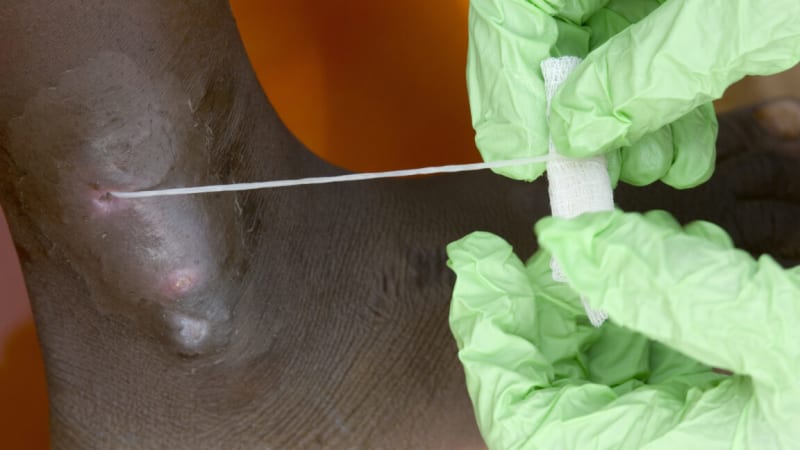
The progress in Southeast Asia mirrors remarkable gains across the developing world. In Africa, life expectancy has jumped 10 years since 2000 despite ongoing conflicts and instability. Guinea worm disease dropped to just 10 human cases worldwide in 2025, and India has treated 6.8 million of its poorest citizens for cancer through new state health insurance in just seven years.
The final mile toward malaria elimination will be the toughest. Myanmar and Thailand face bigger challenges due to remote border regions that health workers struggle to access. Leaders at the summit emphasized that governments must maintain funding even as case numbers dwindle, because the last phase is both the most complicated and most expensive.
When only a handful of cases remain, it's easy for officials to shift attention to other pressing needs. But letting up now would waste 15 years of progress and leave millions at risk of future outbreaks.
Health ministers acknowledged the road ahead. "We are proud of the progress our country has made, and we are under no illusion that the work is completed," said Lao Health Minister Baykham Khattiya.
A disease that has plagued humanity for thousands of years could vanish from an entire region within this decade.
More Images
Based on reporting by Good News Network
This story was written by BrightWire based on verified news reports.
Spread the positivity!
Share this good news with someone who needs it