Space Camera Tech Now Powers 7 Billion Phones Yearly
A tiny camera sensor designed for NASA missions in the 1990s now lives in nearly every smartphone on Earth. The technology that helped rovers land on Mars is the same one capturing your daily photos.
Your smartphone camera exists because a NASA scientist needed better images from space missions.
In 1990, Dr. Eric Fossum joined NASA's Jet Propulsion Laboratory to improve camera technology for interplanetary exploration. Back then, space cameras used power-hungry sensors called CCDs that struggled with radiation in space.
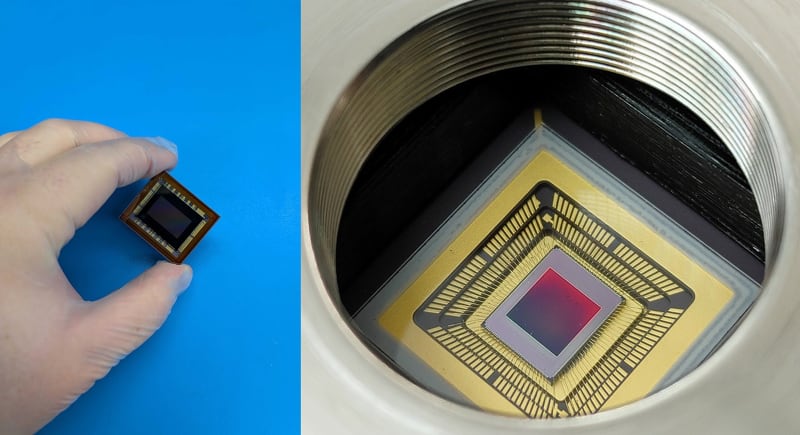
Fossum saw potential in a different technology called CMOS that nobody thought could produce quality images. He borrowed a noise-reduction trick from existing space cameras and applied it to CMOS sensors, creating what he called an "active pixel image sensor."
The breakthrough was huge. CMOS sensors needed far less power than CCDs and could withstand the harsh conditions of space much better.
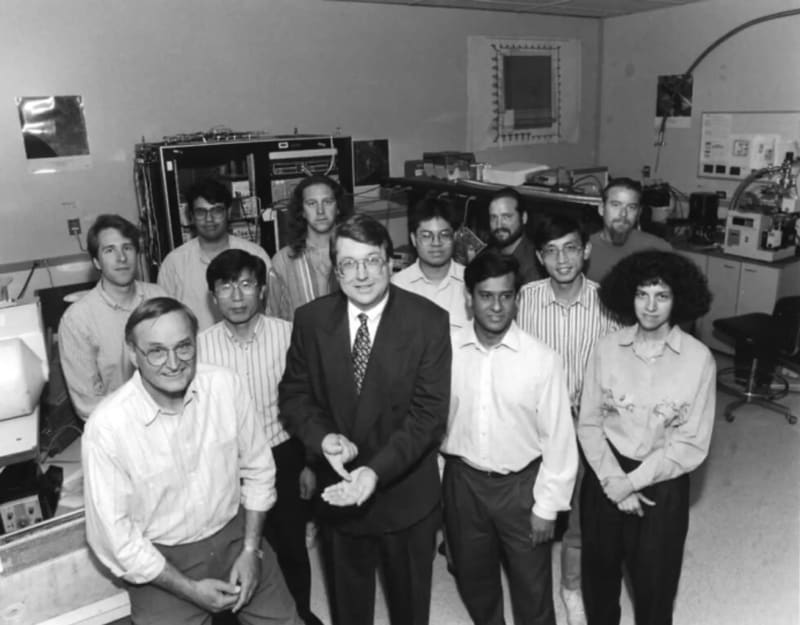
Within five years, companies were lining up to develop the technology. Fossum and colleague Dr. Sabrina Kemeny founded Photobit in 1995 to refine CMOS sensors for everyday use.
The timing couldn't have been better. As cell phones evolved in the early 2000s, manufacturers needed tiny, efficient cameras that wouldn't drain batteries. CMOS technology was the perfect fit.
By 2013, manufacturers were producing over a billion CMOS sensors annually. Today that number has exploded to seven billion per year.
The Ripple Effect
The impact reaches far beyond selfies and vacation photos. Doctors now use swallowable pill cameras with CMOS sensors to capture thousands of images inside your digestive system without surgery. Cars use them in backup cameras and collision detection systems that save lives every day.
Security doorbells let you see visitors from anywhere in the world. Medical imaging devices provide clearer dental X-rays and diagnostic tools.
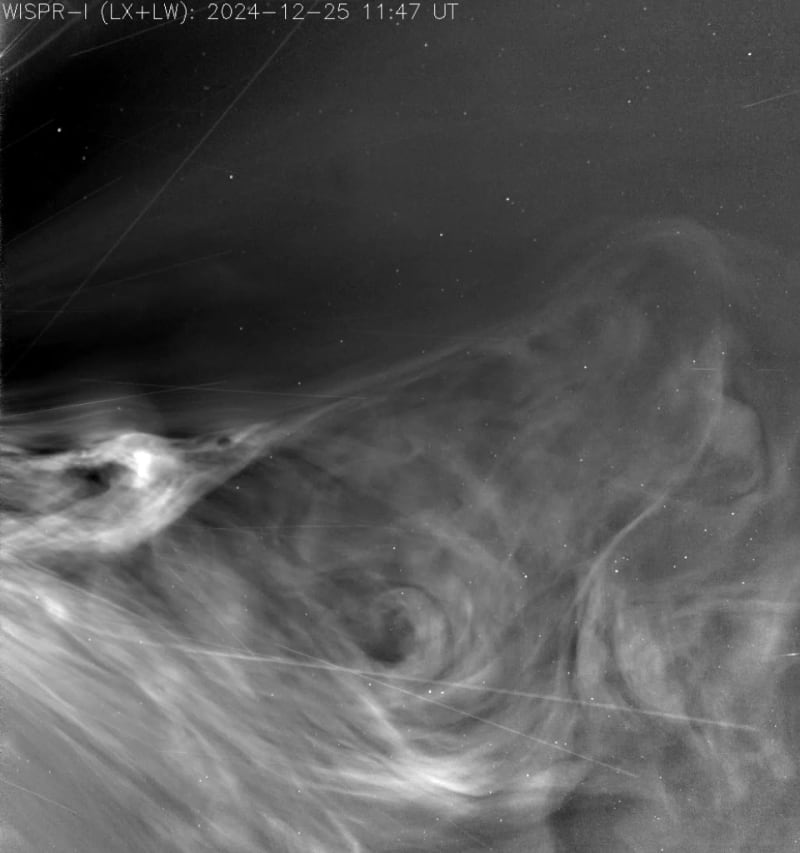
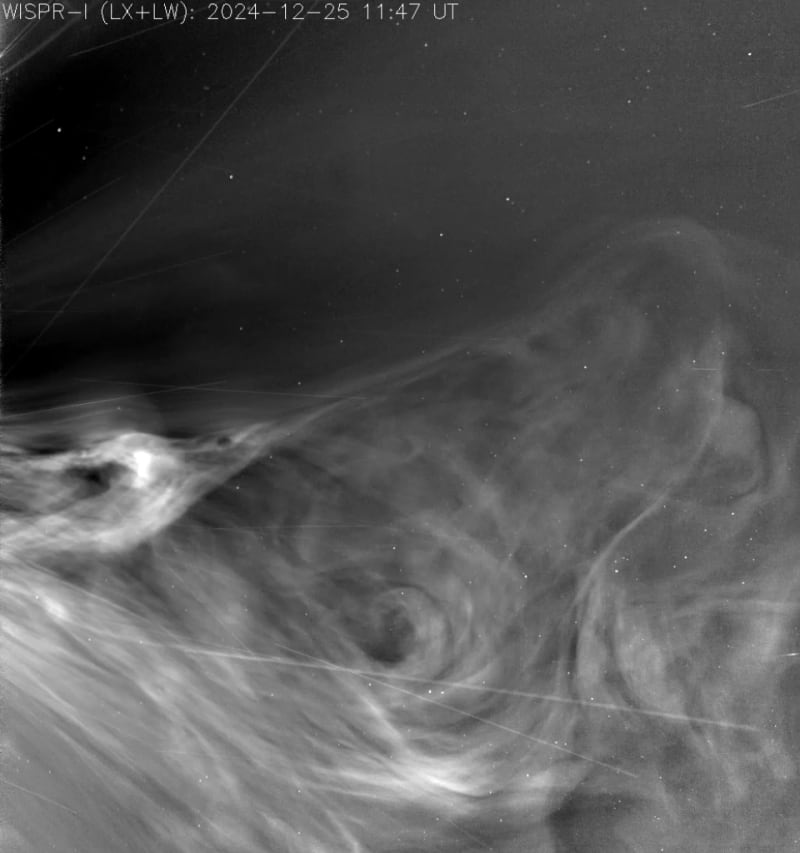
NASA still uses the technology too. CMOS sensors helped land the Perseverance rover on Mars, captured unprecedented images during Parker Solar Probe's record-breaking flyby of the Sun in December 2024, and are currently traveling to Jupiter's moon Europa aboard the Europa Clipper mission.
The sensors monitor carbon dioxide distribution on Earth through the OCO-3 mission and will soon explore how galaxies evolve on the upcoming UVEX mission.
From space exploration to your pocket, this camera revolution transformed how seven billion people document their lives, stay safe, maintain their health, and explore the universe.
More Images
Based on reporting by NASA
This story was written by BrightWire based on verified news reports.
Spread the positivity!
Share this good news with someone who needs it