Space Robot Will Give Aging Satellites 6 More Years of Life
A groundbreaking robotic spacecraft just launched to extend the lives of satellites 22,000 miles above Earth, keeping critical communications running for six more years. It's the first mission where one robot can service multiple satellites, making space repair affordable and sustainable.
A robot repairman for space just launched on a mission that could change how we keep satellites alive.
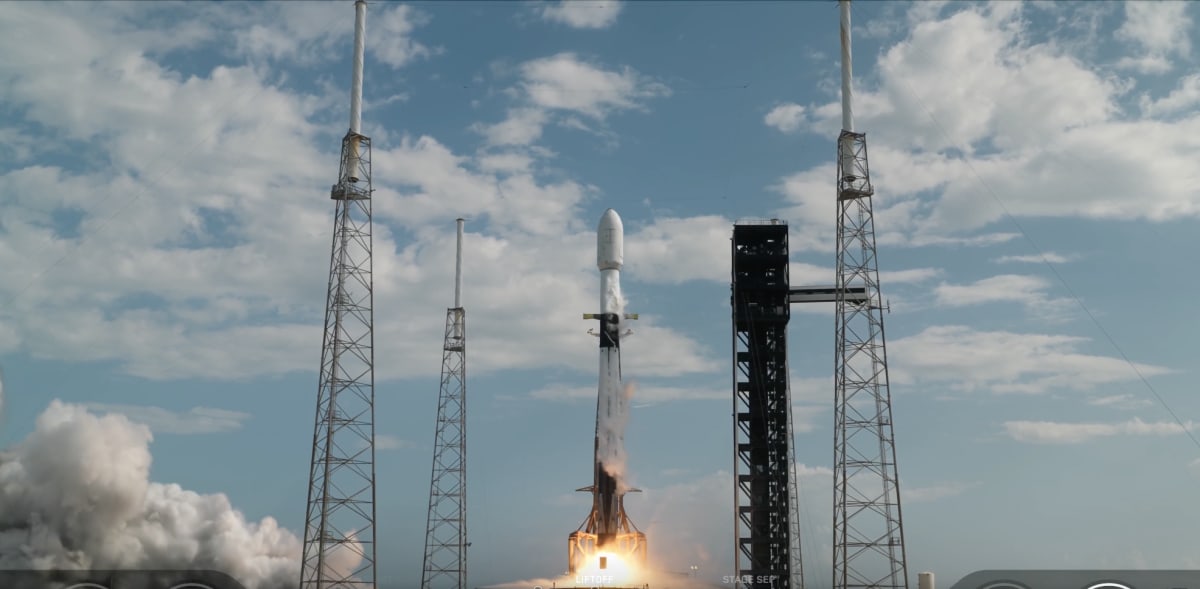
On July 21, SpaceX sent Northrop Grumman's Mission Robotic Vehicle toward geostationary orbit, where it will use two robotic arms to install propulsion pods on aging satellites. The spacecraft and three extension pods lifted off from Cape Canaveral, heading to their workspace 22,000 miles above Earth.
The mission marks a leap forward in space sustainability. Unlike earlier life-extension vehicles that docked with one satellite for years, this robot can install hardware and move on to the next customer, servicing multiple spacecraft over its 15-year lifespan.
Here's how it works: The robotic vehicle retrieves each pod, approaches a satellite running low on fuel, and attaches the pod to the same ring that originally connected the satellite to its launch vehicle. The pod's electric thrusters then help maintain the satellite's position and orientation, letting it keep operating even with empty fuel tanks.
Northrop estimates each pod extends a satellite's useful life by roughly six years. The first three customers are already lined up: telecommunications companies Intelsat ordered two pods, and Australia's Optus purchased the first.
The technology originated from a 2016 Defense Department program to develop robotic servicing for satellites. When the original contractor withdrew in 2019, Northrop's SpaceLogistics division took over, combining government-funded robotic arms with a commercially operated spacecraft.
Northrop has already proven the concept works. Two earlier Mission Extension Vehicles completed three successful dockings with satellites between 2020 and 2025, keeping critical communications infrastructure running.
The Ripple Effect
This mission could transform how we think about satellites. Instead of launching expensive replacements when spacecraft run low on fuel, operators can now extend their investments by years. That means fewer launches, less space debris, and more reliable communications services for people on the ground.
The approach is scalable too. After installing these first three pods, Northrop plans to launch additional extension pods while keeping the robotic vehicle in orbit to retrieve and install them. One robot, countless missions.
The U.S. Space Force has expressed interest in using the service once operational, treating it as an on-call repair shop for government satellites. It's essentially creating AAA roadside assistance for space.
Space repair just became routine, keeping our satellites working longer and our skies a little cleaner.
More Images



Based on reporting by SpaceNews
This story was written by BrightWire based on verified news reports.
Spread the positivity!
Share this good news with someone who needs it