Space Solar Power Could Match Nuclear Costs by 2040
Beaming electricity from space could become as affordable as nuclear power within 16 years, according to a groundbreaking UK government study. The technology promises constant clean energy that works even when the sun sets on Earth.
Solar panels orbiting in space might sound like science fiction, but a major UK government study says they could become economically viable by 2040.
The feasibility report found that space-based solar power could drop to costs between $0.01 and $0.02 per kilowatt-hour by 2040. That would make it competitive with nuclear and tidal energy, opening up a whole new frontier for clean power generation.
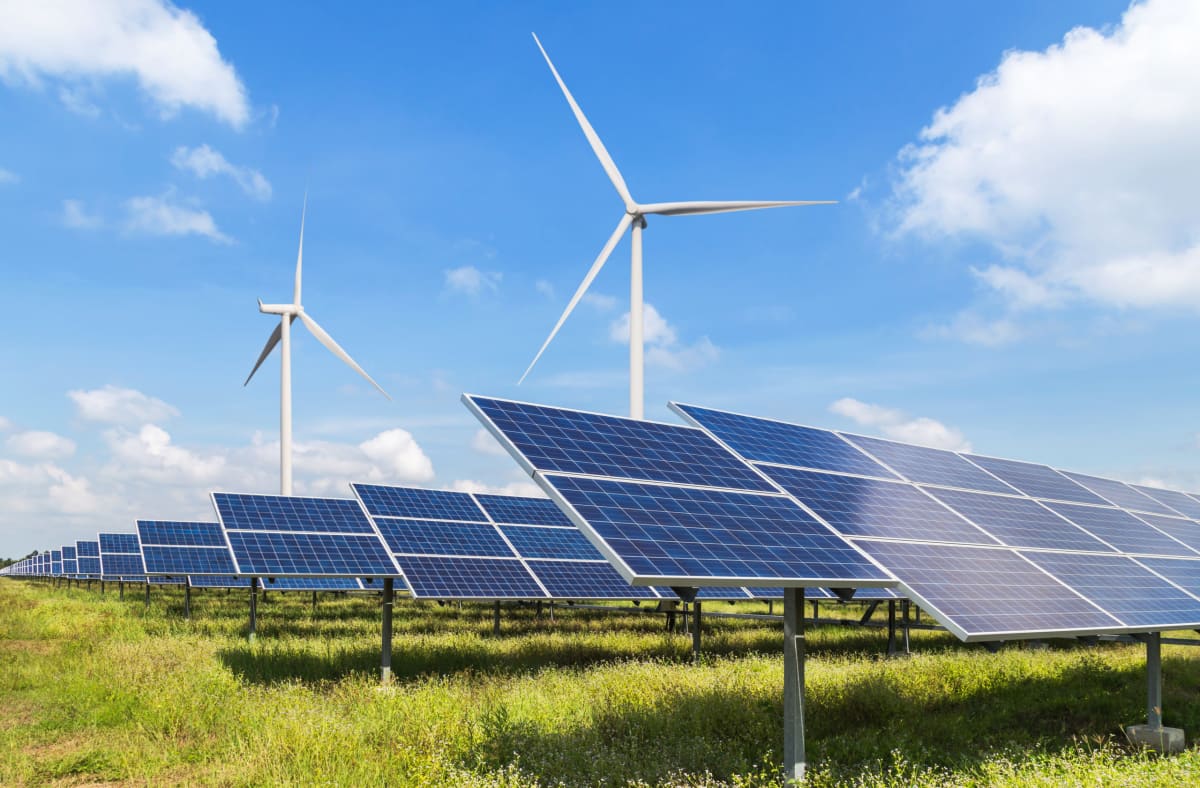
Here's how it works: solar panels in orbit convert sunlight to electricity, transform it into radio waves, beam it down to Earth, and convert it back to electricity at receiving stations. The big advantage? Space solar can generate power 95.7% of the year, filling the gaps when ground-based solar and wind aren't producing.
The UK study examined smaller proof-of-concept systems that could launch in the 2030s, testing designs with receiving stations in Aberdeen, Edmonton, and Sapporo. With battery storage added, the system could potentially provide constant power around the clock.
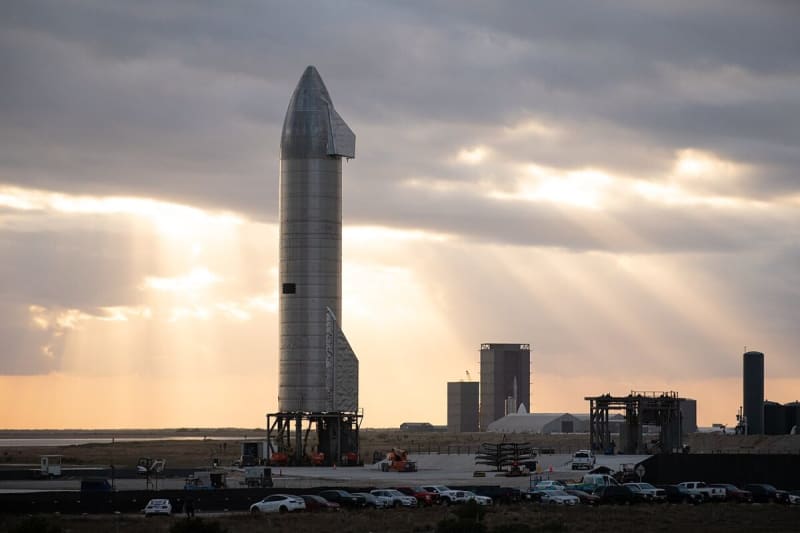
The biggest cost hurdle is launching equipment into orbit. Right now, launch expenses account for more than half the total cost of space solar. But the study assumes SpaceX's Starship rocket will change that equation dramatically.
Researchers predict launch costs could fall to as low as $600 per kilogram by 2040, with each rocket carrying at least 100 tons to orbit. That 30% cost reduction from 2030 to 2040 would be the game changer the technology needs.
The Ripple Effect
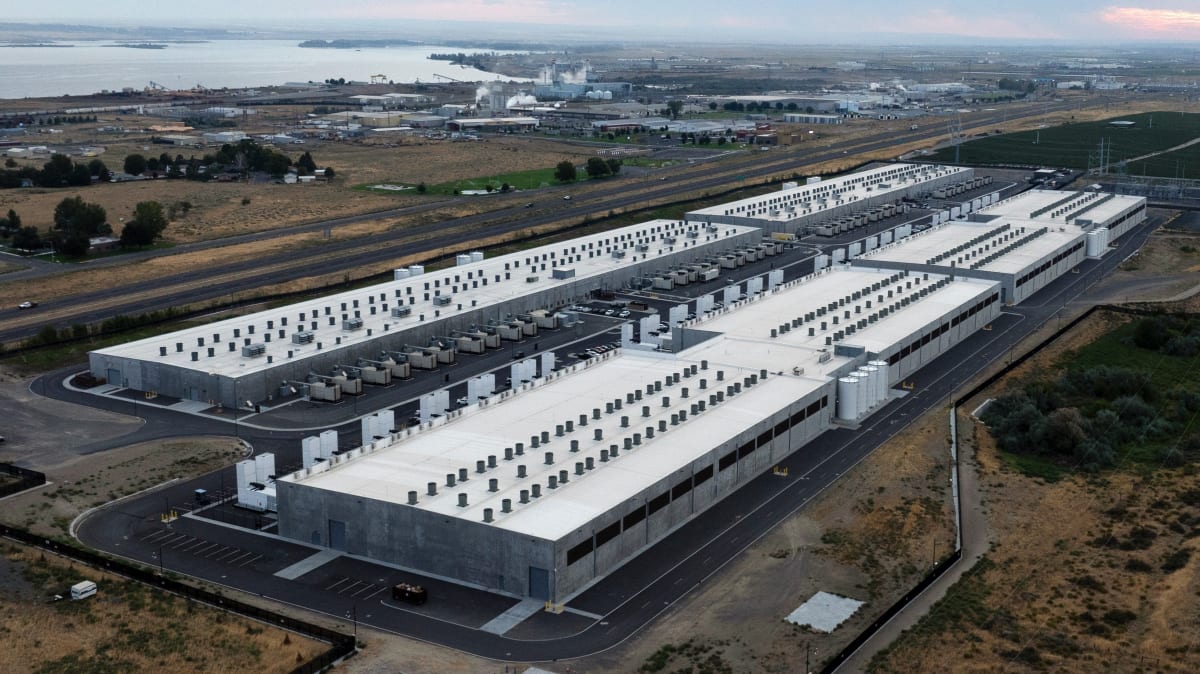
Beyond powering homes, space solar could transform industries worldwide. The study identified promising markets including small island nations that struggle with energy access, data centers hungry for constant power, and green hydrogen production facilities.
Mining operations in remote locations and iron and steel plants could benefit from reliable clean energy beamed from space. For developing nations, this technology could leapfrog traditional power infrastructure entirely.
The first small-scale systems will need significant public and private investment to get off the ground. But proving the technology works at smaller scales will pave the way for massive orbital power plants, reducing costs and risks for future large-scale projects by up to 27%.
The Department for Energy Security and Net Zero commissioned the study specifically to explore whether smaller systems could work as stepping stones. Fraser-Nash Consultancy, Space Solar Engineering, and Imperial College London conducted the research.
Space solar represents a bold solution to one of clean energy's biggest challenges: providing power when the weather doesn't cooperate. By 2040, looking up for energy might be just as common as looking down at solar panels on rooftops.
More Images
Based on reporting by PV Magazine
This story was written by BrightWire based on verified news reports.
Spread the positivity!
Share this good news with someone who needs it