Space Station Back to Full Crew After NASA's Quick Work
After a health emergency left one NASA astronaut managing the International Space Station alone for a month, reinforcements have arrived. Four new crew members docked on Valentine's Day, showcasing NASA's ability to adapt quickly when missions don't go as planned.
When astronaut Chris Williams found himself as the only NASA crew member aboard the International Space Station last month, he faced a challenge unlike most: maintaining America's entire orbital segment solo.
The unusual situation began when a fellow Crew-11 astronaut experienced a health emergency days into the new year. NASA made the unprecedented decision to bring the entire crew home early on January 15, leaving Williams to hold down the fort alongside two Russian cosmonauts.
For a month, Williams juggled maintenance and monitoring duties across the sprawling 20-year-old facility. The space station requires constant attention, and managing the US segment alone meant long days of checking systems, conducting repairs, and keeping everything running smoothly.
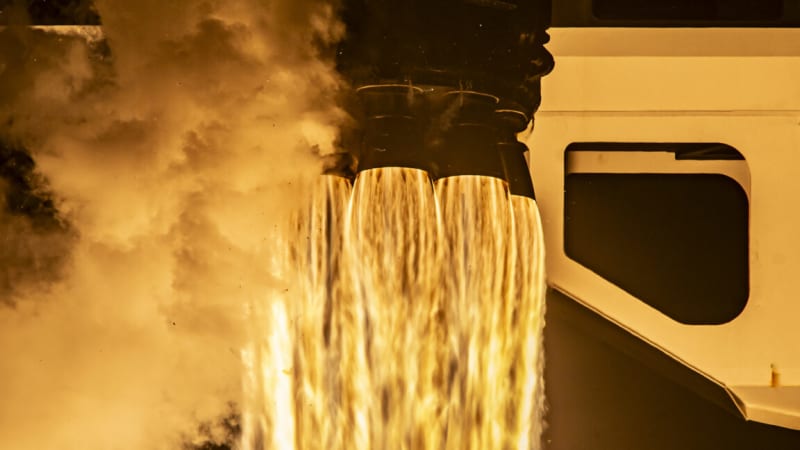
But help was on the way. Back on Earth, NASA and SpaceX teams worked around the clock to accelerate the Crew-12 launch, pulling the mission forward by more than a month.
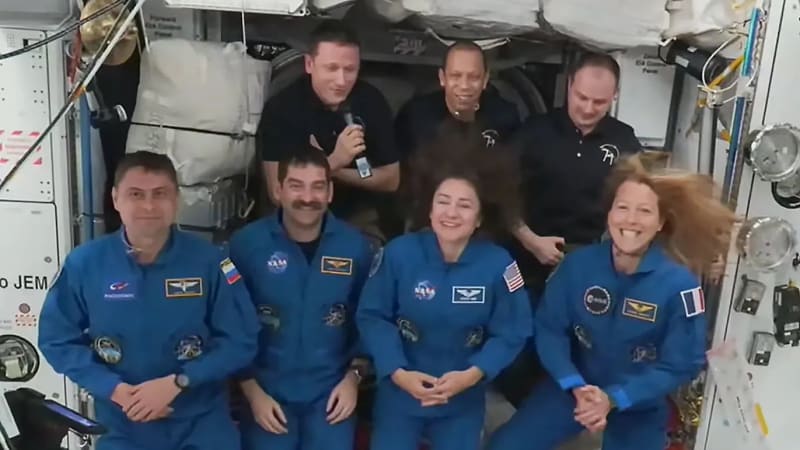
On Valentine's Day, that hard work paid off. A Crew Dragon spacecraft carrying four astronauts docked with the station, and hatches opened Saturday evening to cheers and hugs all around.
The new arrivals include NASA astronauts Jessica Meir and Jack Hathaway, Sophie Adenot from the European Space Agency, and Andrey Fedyaev from Russia's space agency. Their arrival brought the station back to its full complement of seven crew members.
The Ripple Effect
This mission demonstrates what international cooperation in space looks like when challenges arise. NASA typically maintains at least four astronauts trained to operate the US, Canadian, European, and Japanese sections of the station.
Launching a crewed mission ahead of schedule requires precise coordination between engineers, mission controllers, spacecraft manufacturers, and international partners. Every system must be checked, rechecked, and certified safe for flight.
NASA Administrator Jared Isaacman praised the effort during a post-launch conference. "This mission has shown what it means to be mission-focused at NASA," he said, noting teams simultaneously managed the early return, accelerated launch, and preparations for the upcoming Artemis II moon mission.
The afflicted Crew-11 astronaut, whose identity NASA hasn't disclosed for privacy reasons, is reportedly recovering well back on Earth.
Williams can now share the workload with his newly arrived colleagues, returning to the scientific research and experiments that make the space station such a valuable laboratory.
More Images



Based on reporting by Ars Technica
This story was written by BrightWire based on verified news reports.
Spread the positivity!
Share this good news with someone who needs it