Space Station Hits 25 Years of Life-Changing Discoveries
The International Space Station just celebrated 25 years of continuous human presence, delivering breakthrough cancer treatments and medical implants that are changing lives on Earth. In 2025 alone, over 750 experiments aboard the orbiting lab pushed the boundaries of medicine, solar science, and space exploration.
A cancer treatment that just won FDA approval owes its existence to experiments conducted 250 miles above your head.
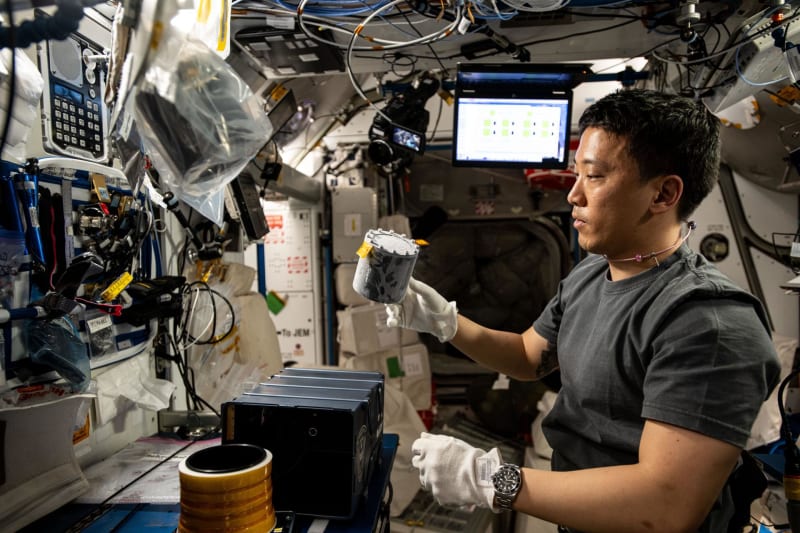
The International Space Station reached a historic milestone on November 2, 2025, marking 25 years of humans continuously living and working in orbit. Since the first crew arrived in 2000, this floating laboratory has hosted more than 4,000 research investigations that simply can't be replicated on Earth.
The results are landing in doctors' offices and hospitals right now. Research aboard the station helped develop a newly approved injectable medication for several types of early-stage cancers. The breakthrough came from protein crystal growth experiments in microgravity, which produces higher-quality crystals than Earth-based labs can achieve.
The new delivery method significantly reduces treatment time for patients while lowering costs and maintaining drug efficiency. It's a perfect example of how studying science in space translates directly to better healthcare down here.
Medical innovation kept coming in 2025. Eight medical implants designed to support nerve regeneration were successfully 3D printed aboard the station for trials on Earth. When nerve damage occurs, these implants improve blood flow and enable targeted drug delivery.
Printing in microgravity prevents particle settling, creating more uniform and stable structures than Earth gravity allows. This technology also means astronauts can print tools and devices on demand during future missions to the Moon and Mars.
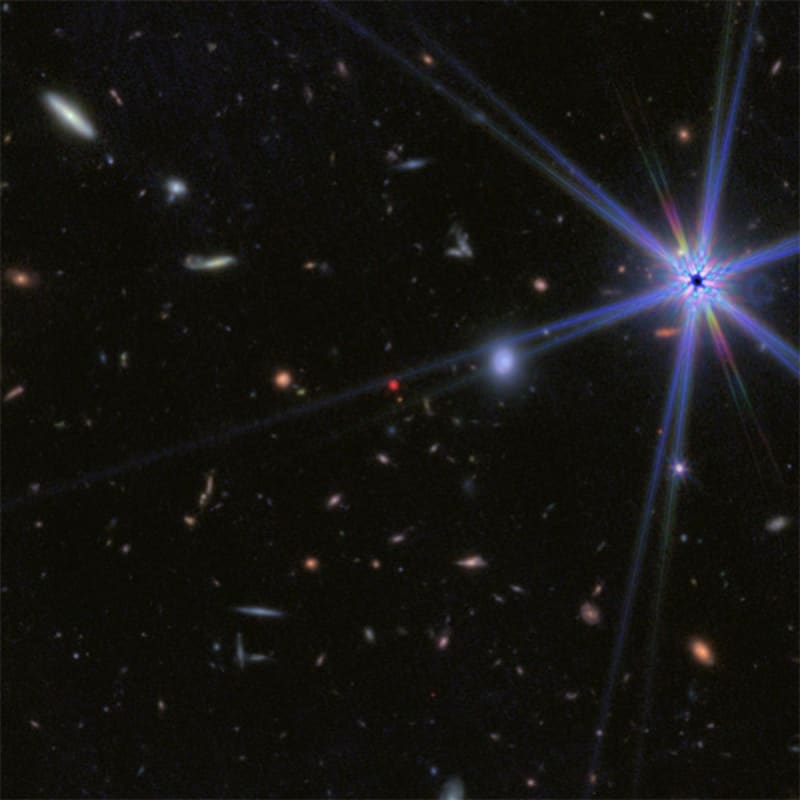
The station's crew of international researchers tackled other frontiers too. A new solar instrument captured its first detailed images of the Sun's outer atmosphere, measuring solar wind temperature and speed in ways never before possible. These observations help scientists understand how solar activity affects satellites, communications networks, and power systems on Earth.
In a fascinating experiment, astronaut Butch Wilmore collected microbiological samples during a spacewalk outside the station. Researchers want to know if microorganisms can survive and reproduce in the harsh space environment and how they might behave on the Moon or Mars. The findings could shape how we design spacecraft and spacesuits to prevent contamination at destinations where life may exist.
The Ripple Effect
More than 290 people from 26 countries have visited the station, making it a truly global achievement. The continuous human presence enables research that surpasses what satellites and robots can do alone. In 2025, the station circled Earth more than 5,800 times while hosting over 750 experiments that supported exploration missions, improved life on Earth, and opened commercial opportunities in orbit.
The partnership between NASA and space agencies worldwide has created a platform where microgravity unlocks discoveries impossible in any Earth lab. From cancer treatments to nerve repair implants to understanding our Sun, the research happening above us is solving problems and saving lives below.
Twenty-five years of humans living in space has proven that our curiosity and innovation have no limits when we work together.
More Images


Based on reporting by NASA
This story was written by BrightWire based on verified news reports.
Spread the positivity! 🌟
Share this good news with someone who needs it