SpaceX Delays Starship Catch, Eyes Bold Orbital Flight
SpaceX is pushing back its first attempt to catch the massive Starship spacecraft with tower arms by a few months, but the delay comes with good news. The rocket company plans to send Starship into full orbit for the first time on its next test flight.
SpaceX has already made history catching rockets out of midair, and now the company is fine-tuning its timeline for an even bigger feat.
Elon Musk announced that SpaceX will attempt its first-ever catch of the Starship upper stage spacecraft in a few months, slightly later than the late August target he mentioned earlier. The delay allows more time for preparation and regulatory approval from the Federal Aviation Administration.
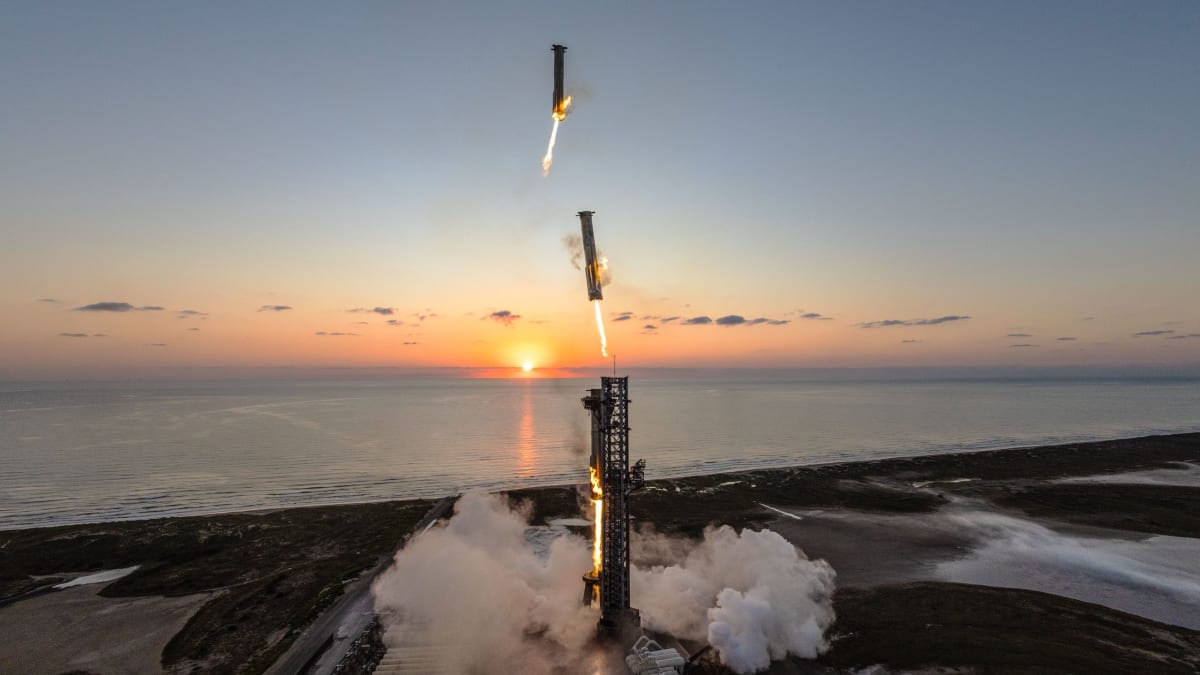
The wait might be worth it. SpaceX has already successfully caught the Super Heavy booster three times using giant mechanical "chopstick" arms on its launch tower, proving the concept works for the rocket's first stage.
Catching the Starship upper stage is much trickier. The spacecraft returns from far higher altitudes and screams back through the atmosphere at much faster speeds than the booster.
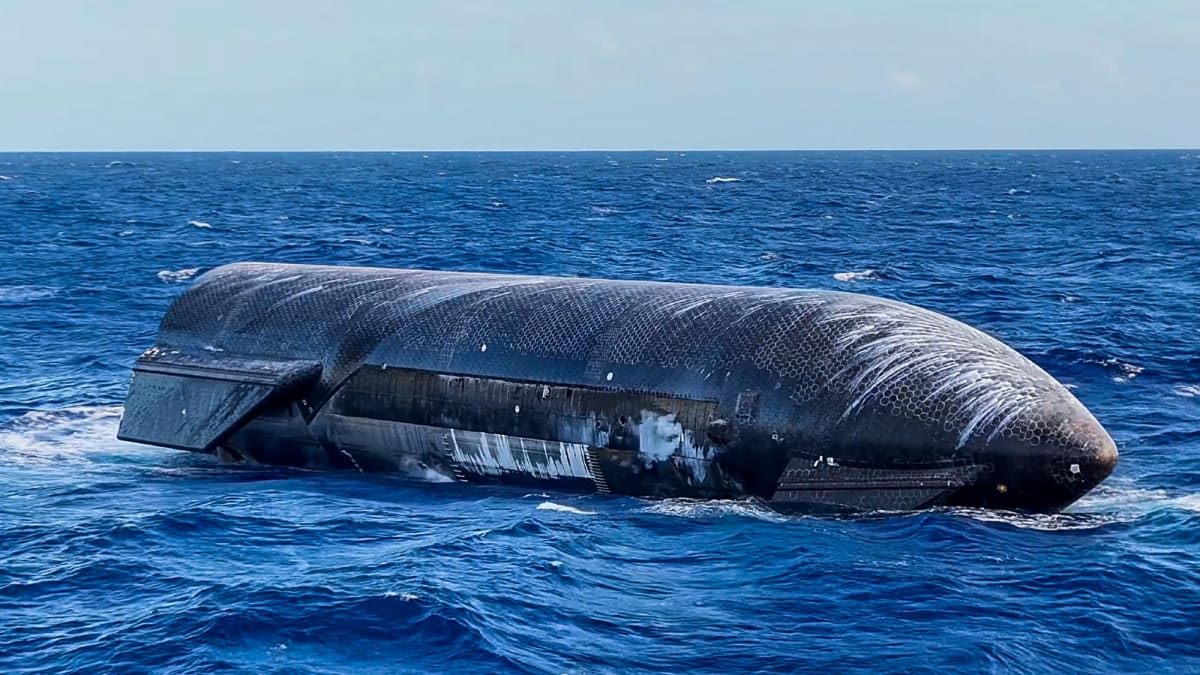
But recent test flights show SpaceX is getting close. On Flight 13 in July, Starship survived the brutal reentry through Earth's atmosphere and splashed down intact in the Indian Ocean off Western Australia. The spacecraft even stayed in one piece after tipping over in the water, something no previous Starship had accomplished.
SpaceX towed that battered but intact spacecraft to Christmas Island to study it closely. The data from that survivor will help engineers improve future versions.
The Bright Side
Even though the tower catch is delayed, Flight 14 promises a major milestone. Musk confirmed that Starship will reach full orbit for the first time, a critical step toward making the vehicle useful for real missions.
SpaceX has also proven that reusing rocket parts works. Flights 9 and 11 both flew with previously used Super Heavy boosters, showing the company can turn these massive rockets around for second flights.
The entire Starship system is designed for rapid reuse, which would dramatically lower the cost of reaching space. Both the booster and spacecraft are meant to land directly back on the launch mount, get checked out, refueled, and fly again.
Musk remains confident in the spacecraft's abilities. "If there had been a tower out to sea where we practiced landing the ship, it would have been caught," he said.
The first Starship to fly a second time could launch either late this year or early next year, marking what Musk called "a fork in the road of history for consciousness reaching the stars."
More Images

Based on reporting by Space.com
This story was written by BrightWire based on verified news reports.
Spread the positivity!
Share this good news with someone who needs it