SpaceX Falcon 9 Back Flying After 5-Day Safety Pause
SpaceX successfully launched 25 Starlink satellites on Saturday, returning its workhorse Falcon 9 rocket to flight just five days after a minor upper stage issue. The quick turnaround shows how the company's safety systems worked exactly as designed to protect both the mission and future flights.
📺 Watch the full story above
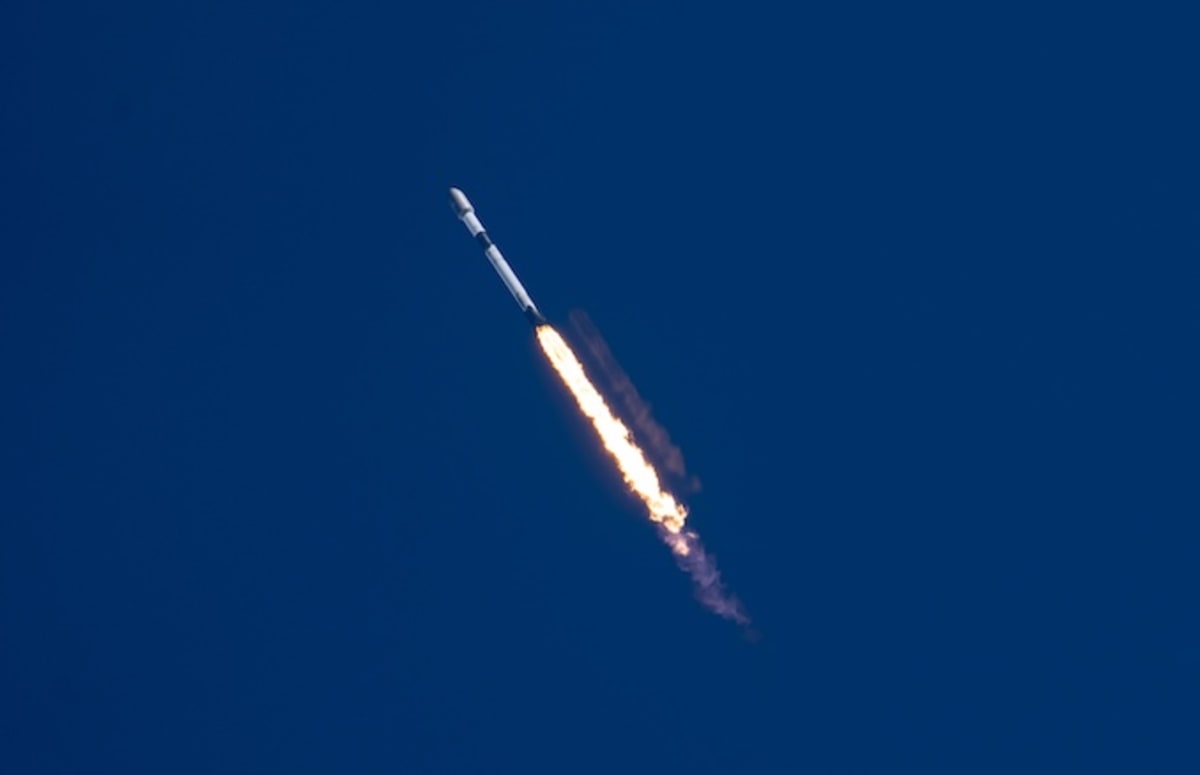
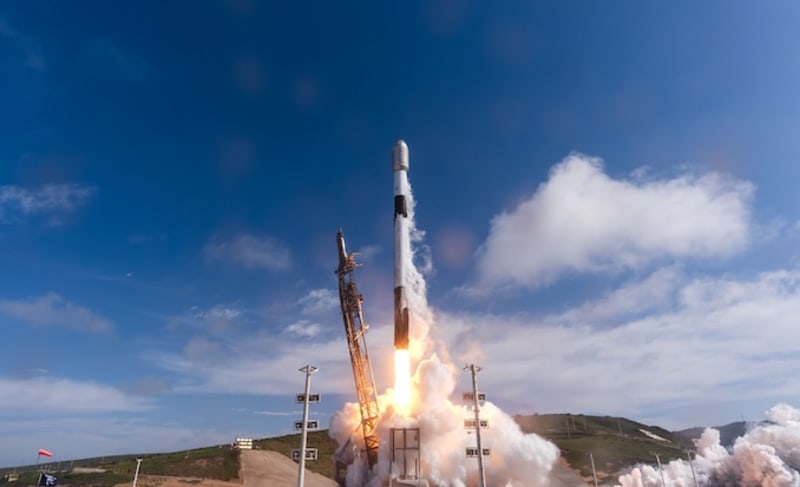
SpaceX's Falcon 9 rocket is back in action after one of the shortest safety pauses in the company's history, launching 25 satellites into orbit on Saturday afternoon from California's Vandenberg Space Force Base.
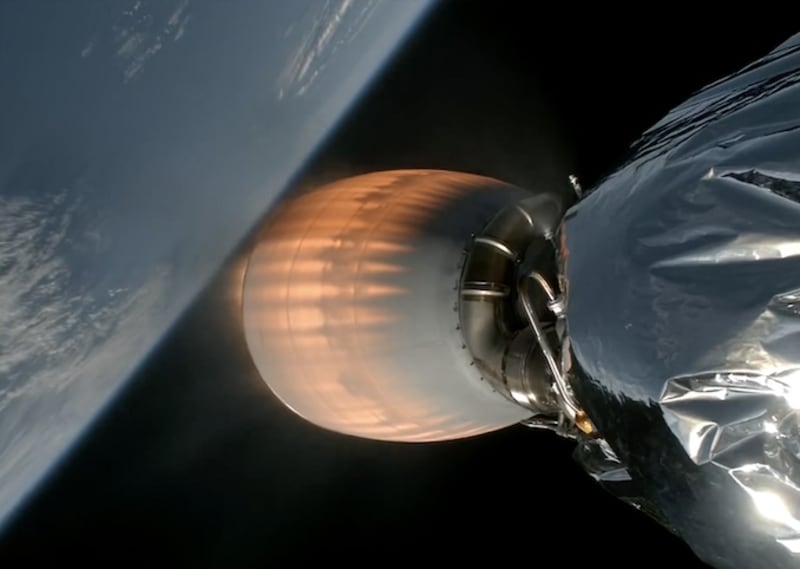
The brief timeout followed a February 2 mission where the rocket's upper stage failed to ignite for its planned deorbit burn due to a gas bubble in a fuel transfer tube. While that sounds dramatic, everything actually went right—the stage deployed all 25 satellites perfectly, then safely shut itself down and reentered Earth's atmosphere over the Indian Ocean about 10 hours later with no damage reported anywhere.
The Federal Aviation Administration wrapped up its investigation Friday evening, clearing SpaceX to resume launches. The rocket that flew Saturday completed its 13th successful flight and landed perfectly on the drone ship waiting in the Pacific Ocean, marking SpaceX's 568th booster landing to date.
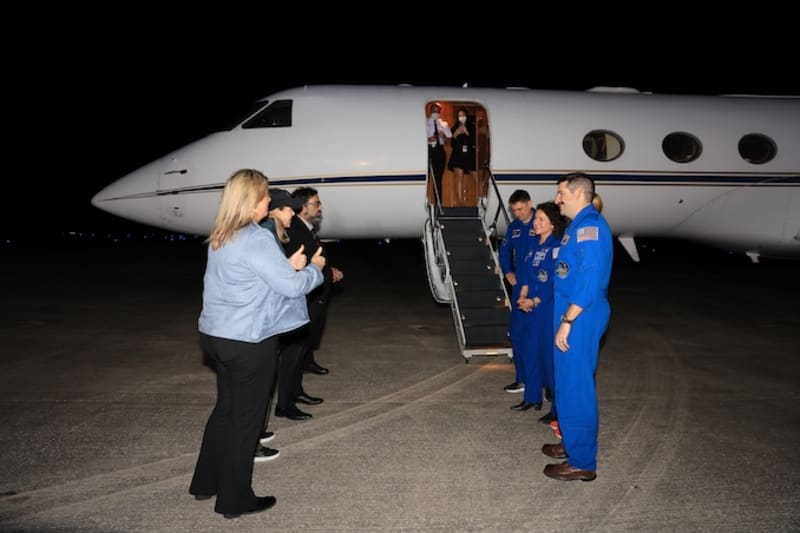
NASA gave the all-clear for next week's Crew-12 astronaut launch too, confirming that crewed missions follow a different flight path that eliminates any added risk from the issue. Four astronauts from NASA, the European Space Agency, and Russia's Roscosmos arrived at Kennedy Space Center on Friday, ready for their Wednesday morning launch to the International Space Station.
The Bright Side
This quick resolution highlights how mature SpaceX's rocket technology has become. The company now has more than 9,600 Starlink satellites in orbit providing internet coverage worldwide, and pauses like this are increasingly rare as systems improve.
The fact that backup safety features kicked in automatically when the deorbit burn failed shows layers of protection are working. SpaceX has implemented both technical fixes and organizational changes to prevent gas bubbles from forming in future missions, addressing the root cause head-on.
The rocket's first stage booster will fly again soon, continuing SpaceX's pioneering work in reusable spaceflight that's dramatically lowering the cost of reaching orbit. What once would have grounded a rocket program for months now takes less than a week to investigate, fix, and verify.
Space travel keeps getting safer and more routine, bringing the benefits of satellite internet, scientific research, and international cooperation to more people every launch.
More Images

Based on reporting by Google News - Science
This story was written by BrightWire based on verified news reports.
Spread the positivity!
Share this good news with someone who needs it