SpaceX Gets Green Light for Starship at Historic Florida Pad
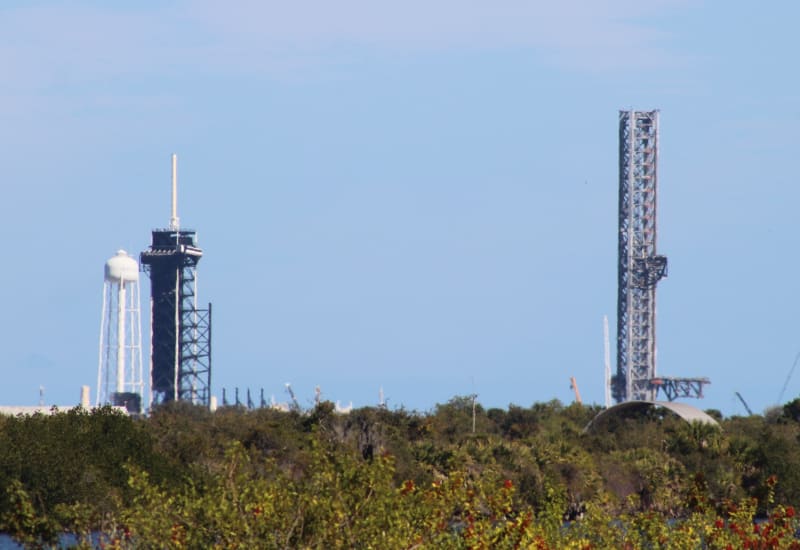
SpaceX just received federal approval to launch its massive Starship rocket from Kennedy Space Center's legendary Launch Complex 39A, the same pad that sent astronauts to the moon. The move marks a new chapter for the historic site and clears the way for up to 44 launches annually.
The Federal Aviation Administration approved SpaceX's ambitious plan to transform one of America's most iconic launch pads into a home for the world's most powerful rocket.
Launch Complex 39A at Kennedy Space Center will now host Starship launches and landings, marking a major milestone for commercial space exploration. The same pad that launched Apollo 11 to the moon in 1969 is getting a 21st-century upgrade.
The FAA's decision allows SpaceX to conduct up to 44 Starship launches per year from the site, with 88 total landings including both the Super Heavy booster and Starship upper stage. Colonel Brian Chatman of Space Launch Delta 45 expects the first Starship launch from the historic pad could happen as early as late summer or fall this year.
The approval didn't come without careful consideration. The FAA reviewed concerns about launch noise, sonic booms during reentry, and potential air traffic delays at major Florida airports. While the agency acknowledged some disruptions are unavoidable, they concluded the benefits to America's growing space industry outweighed the impacts.
Katie Cranor, executive director of the FAA's Office of Operational Safety, stated that blocking the launches would "impede the FAA's ability to assist the commercial space transportation industry in meeting projected demand for services and expansion in new markets." The approved plan, she noted, "would allow the greatest development and growth of the U.S. commercial space launch industry."
To make room for Starship, SpaceX is shifting its workhorse Falcon 9 rocket to nearby Space Launch Complex 40. All seven Falcon 9 launches from Florida this year have already used that pad, including missions carrying crew and cargo to the International Space Station.
"Going forward, we're planning to launch most of our Falcon 9 missions from Space Launch Complex 40," said Lee Echerd, a SpaceX senior mission manager. Launch Complex 39A will focus on Falcon Heavy launches and the new Starship operations.
The Ripple Effect
This approval represents more than just one company getting permission to launch bigger rockets. It signals America's commitment to maintaining leadership in commercial spaceflight as demand for launch services grows worldwide.
The decision also showcases how historic infrastructure can evolve to serve new missions. Launch Complex 39A has already adapted from Saturn V rockets to the Space Shuttle and then to Falcon 9 and Falcon Heavy, and now it's ready for its next act.
By managing airspace with enhanced real-time communication systems and careful scheduling, the FAA aims to balance cutting-edge space operations with the needs of existing aviation. It's a model for how innovation and established industries can coexist.
SpaceX can now complete construction of Starship infrastructure at the pad and prepare for a launch that will write the next chapter in the story of one of humanity's most storied launch sites.
More Images


Based on reporting by SpaceNews
This story was written by BrightWire based on verified news reports.
Spread the positivity!
Share this good news with someone who needs it