SpaceX Launches 2 Rockets Just 38 Minutes Apart
SpaceX just shattered its own record by launching two Falcon 9 rockets only 38 minutes apart, proving that rapid, reusable spaceflight is becoming routine. The company that once seemed impossibly ambitious now makes the extraordinary look easy.
SpaceX just made history look effortless, launching two orbital rockets in less time than it takes to watch a sitcom.
On Saturday evening, the aerospace company pulled off something unprecedented: two Falcon 9 rockets lifted off just 38 minutes apart, one from Florida and another from California. The achievement shattered SpaceX's previous record of 65 minutes, set back in 2024.
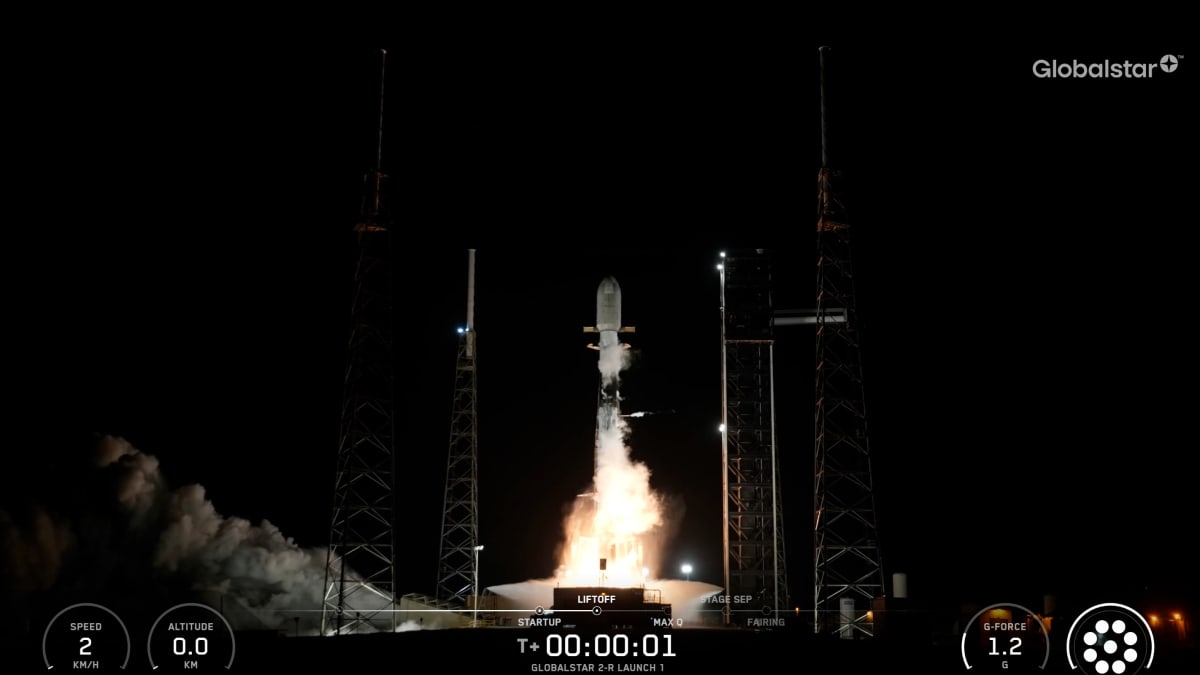
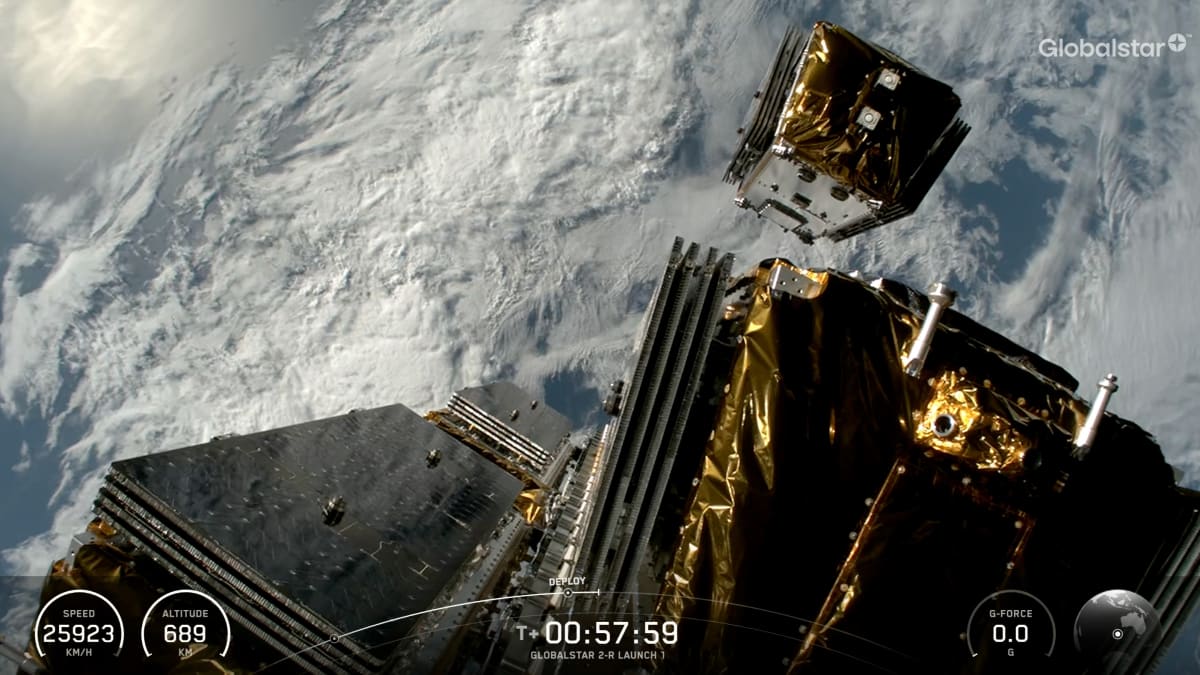
The first rocket launched from Cape Canaveral at 9:12 p.m., carrying eight satellites for Globalstar, a Louisiana-based telecom company. All eight spacecraft deployed perfectly over six minutes, starting almost an hour after liftoff.
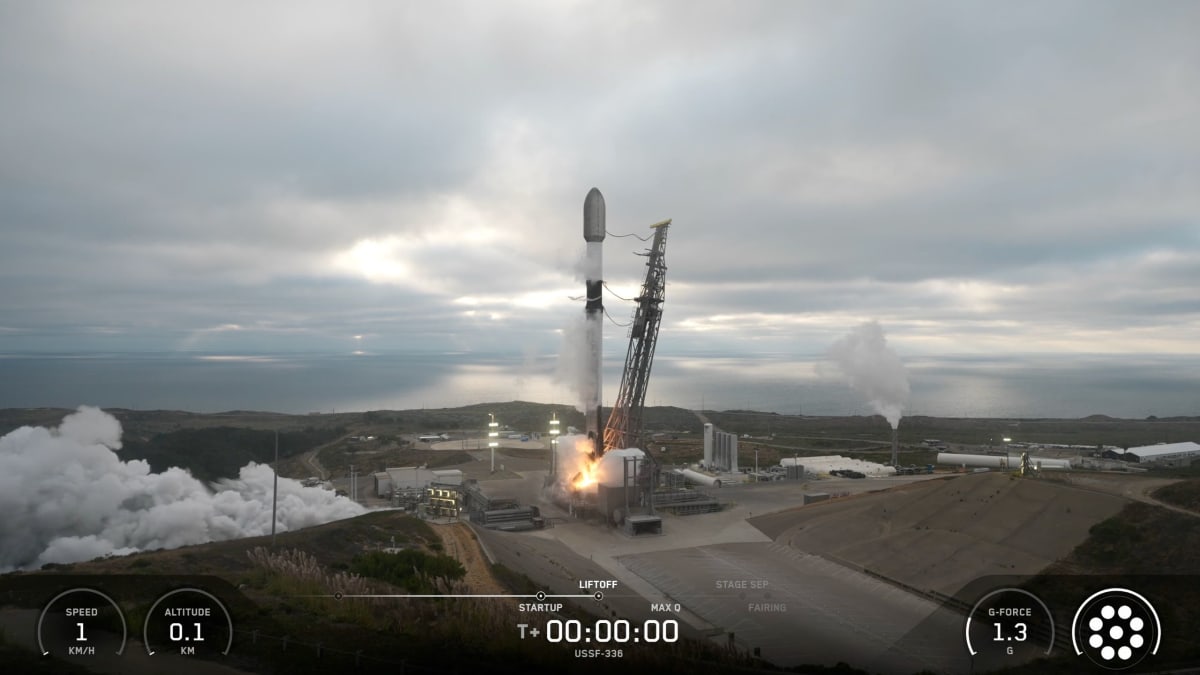
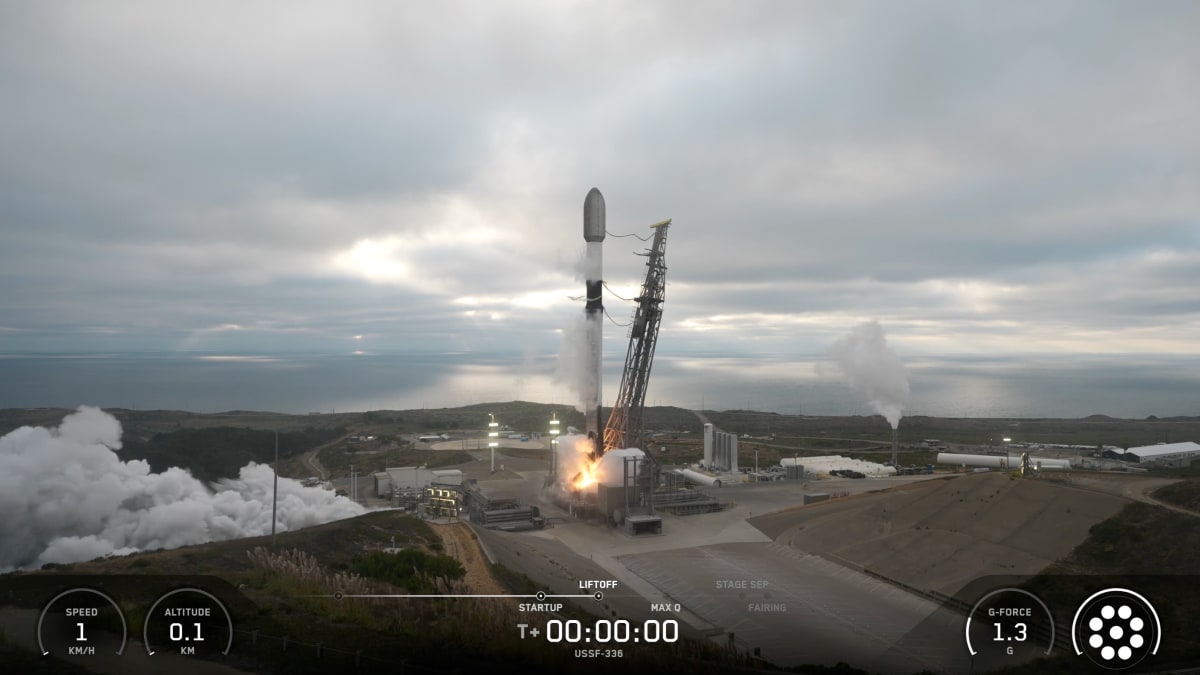
While that mission was still in progress, a second Falcon 9 roared to life from Vandenberg Space Force Base in California at 9:50 p.m. This launch carried a classified payload for the U.S. Space Force, possibly including satellites based on SpaceX's Starshield technology, which adapts Starlink designs for national security missions.
Both missions ended with successful rocket landings, a feat that once seemed like science fiction. The Florida booster touched down at Cape Canaveral about eight minutes after launch, completing its 14th flight. The California booster landed on a droneship in the Pacific Ocean, notching its 18th mission.
Why This Inspires
Just a decade ago, rockets were disposable billion-dollar machines that took months to prepare between launches. SpaceX has turned that model completely upside down by proving rockets can be reused like airplanes.
Saturday's doubleheader demonstrates how reusable technology is transforming space access from a rare, expensive event into something approaching routine operations. The company has now completed 96 Falcon 9 launches in 2026 alone, more than most countries achieve in decades.
This rapid launch capability means faster deployment of communication satellites, more frequent scientific missions, and lower costs for getting to orbit. What once required years of planning can now happen in the time it takes to eat dinner.
The future where space is accessible and affordable isn't coming someday—it's arriving right now, 38 minutes at a time.
More Images

Based on reporting by Space.com
This story was written by BrightWire based on verified news reports.
Spread the positivity!
Share this good news with someone who needs it