SpaceX Launches 29 Starlink Satellites on Reusable Rocket
SpaceX successfully launched 29 satellites Sunday evening, bringing high-speed internet to more communities worldwide while the rocket's first stage landed safely for its 24th reuse. The workhorse booster has now flown more missions than most rockets complete in their entire lifespan.
📺 Watch the full story above
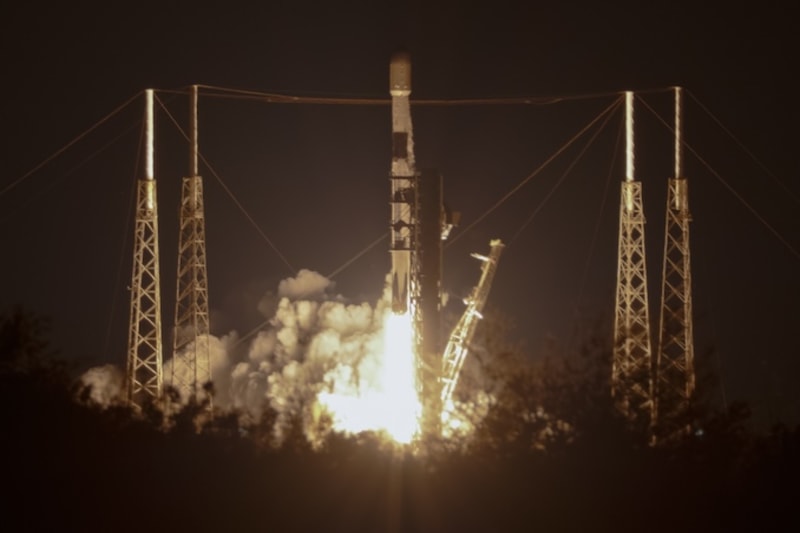
A SpaceX rocket pierced through Florida's cloudy winter sky Sunday evening, carrying 29 satellites that will help connect people in remote corners of the world to high-speed internet.
The Falcon 9 rocket lifted off from Cape Canaveral Space Force Station at 6:31 p.m., threading the needle between weather challenges as a cold front swept through the peninsula. Forecasters had given the launch just a 60 percent chance of success due to thick clouds and gusty winds reaching 28 mph.
But the launch proceeded flawlessly. Just over eight minutes later, the rocket's first stage booster touched down gently on a drone ship floating in the Atlantic Ocean.
This marked the 24th flight for that particular booster, a remarkable milestone that showcases how reusable rocket technology is transforming space access. The booster first flew in May 2023 carrying astronauts to the International Space Station, and it has been working reliably ever since.
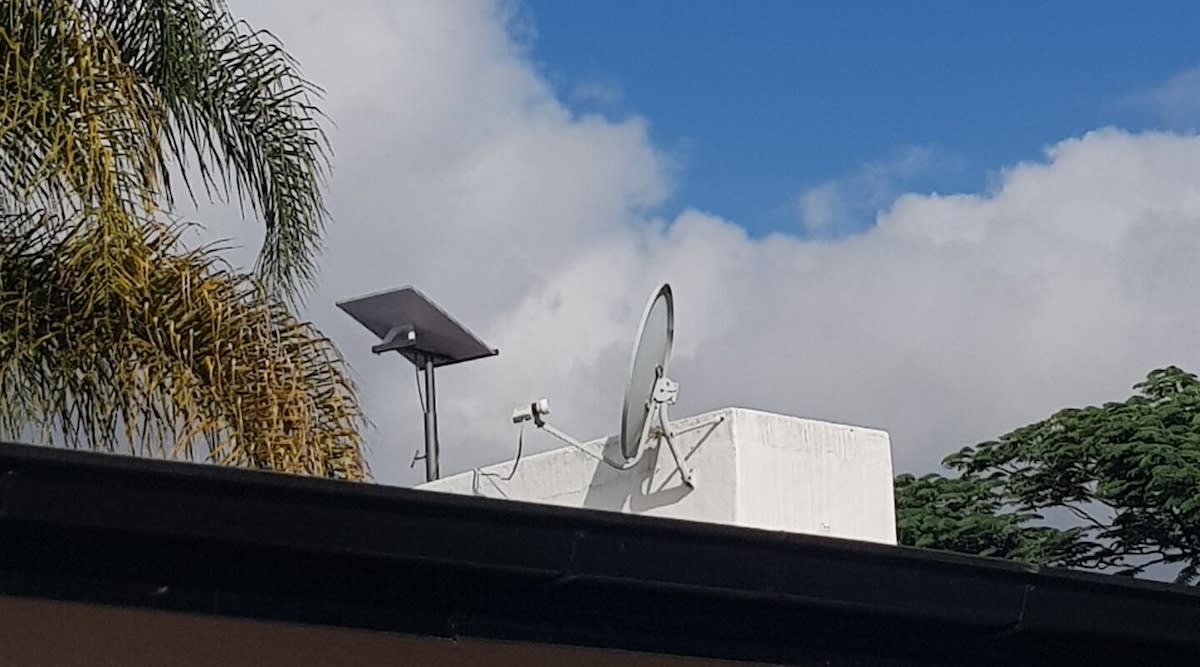
The 29 Starlink satellites deployed successfully about an hour after liftoff, joining thousands of others already orbiting Earth. Together, they form a constellation bringing internet service to rural areas, disaster zones, and underserved communities that traditional infrastructure struggles to reach.
The Ripple Effect
Reusable rockets are making space more accessible than ever before. What once required building an entirely new multi-million dollar rocket for each mission now happens with boosters that land, get refurbished, and fly again within weeks.
This 347th dedicated Starlink launch represents more than just satellites circling overhead. It means farmers in remote areas can access crop data, students in isolated villages can attend online classes, and emergency responders in disaster zones can coordinate rescue efforts when ground networks fail.
The technology also slashes the cost of reaching space, opening doors for scientific research, climate monitoring, and communication services that seemed impossible just a decade ago.
SpaceX's ability to land and refly boosters two dozen times proves that sustainable spaceflight isn't science fiction anymore. Each successful landing and relaunch brings humanity closer to a future where space access is routine, affordable, and available to solve problems here on Earth.
Sunday's launch adds 29 more connections between sky and ground, 29 more nodes in a growing network that's shrinking the digital divide one satellite at a time.
Based on reporting by Google News - Science
This story was written by BrightWire based on verified news reports.
Spread the positivity!
Share this good news with someone who needs it