SpaceX Launches First Robotic Satellite Repair Mission
A SpaceX rocket just carried the first spacecraft with robotic arms designed to repair and extend the lives of satellites 22,000 miles above Earth. The mission could save billions by fixing satellites instead of replacing them.
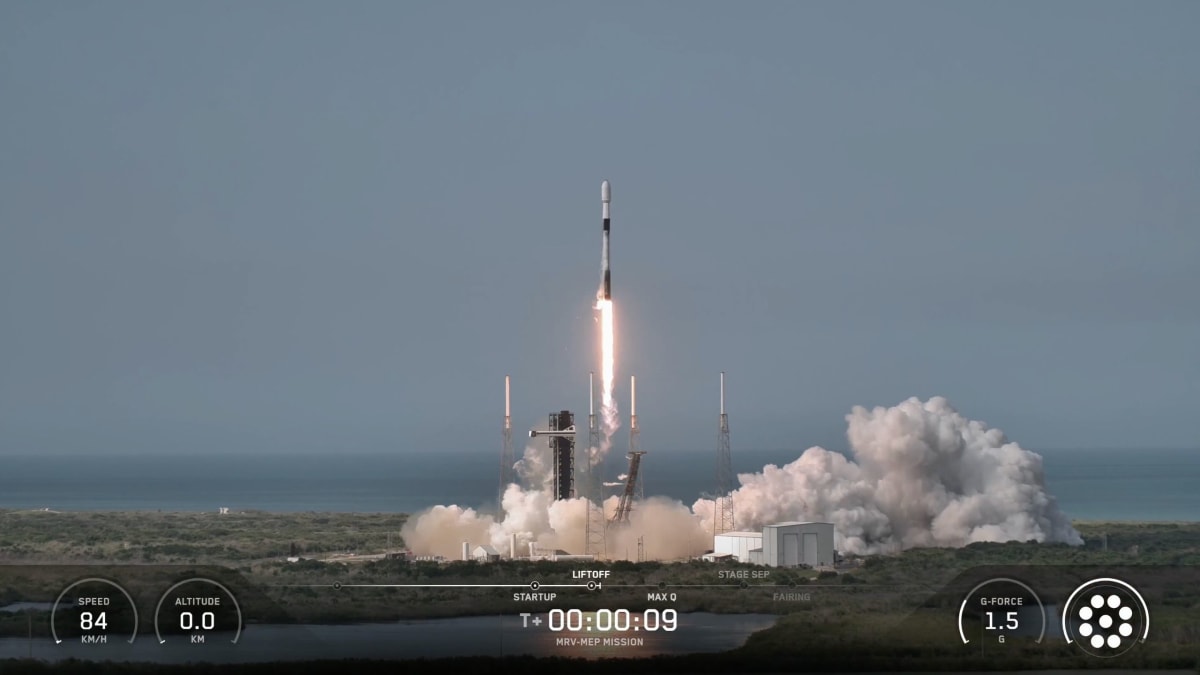
Satellites dying in space might soon get a second chance at life, thanks to a groundbreaking mission that launched from Florida on July 21st.
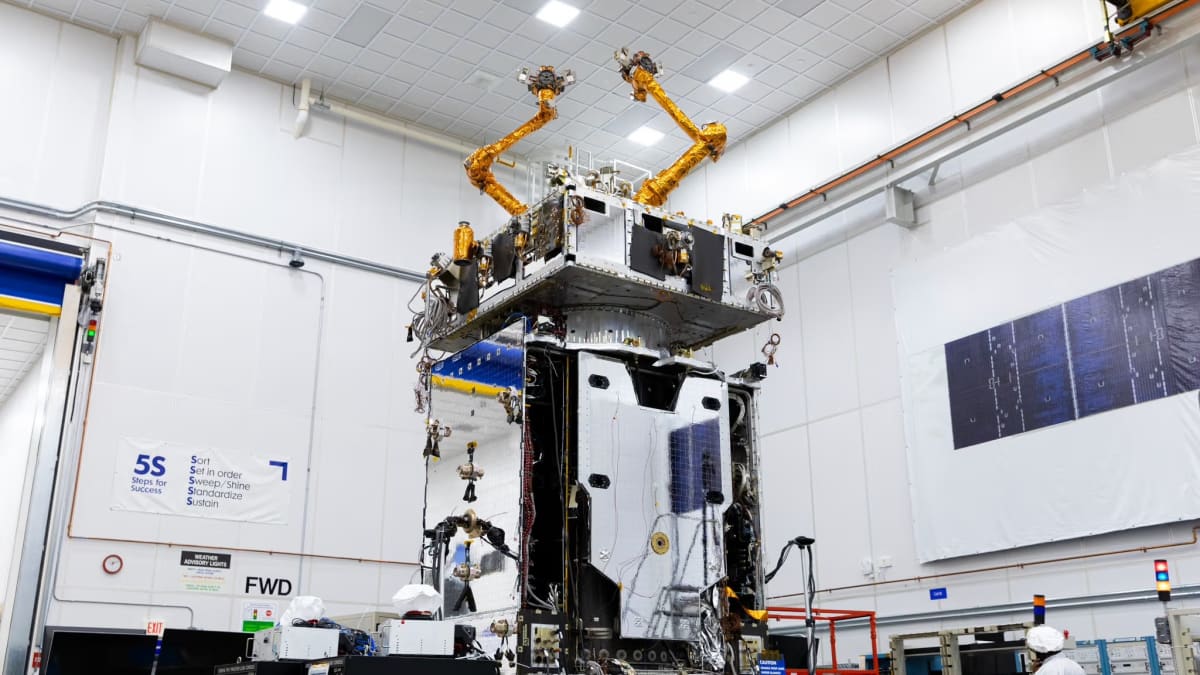
SpaceX sent up the first Mission Robotic Vehicle (MRV), a spacecraft equipped with two 10-foot robotic arms that can grab, repair, and upgrade satellites orbiting 22,236 miles above Earth. The vehicle carried three "satellite jetpacks" called Mission Extension Pods that will attach to aging satellites and keep them running for up to eight extra years.
The spacecraft is heading to geostationary orbit, where hundreds of communications, weather, and navigation satellites hover over the same spot on Earth. When these multimillion-dollar satellites run low on fuel or need repairs, they've traditionally been abandoned as space junk. This mission changes that equation entirely.
The MRV will use its robotic arms to grab each pod and ferry it to a waiting satellite. Australian operator Optus and satellite company Intelsat have already booked all three pods for their aging spacecraft. Once attached, the pods use electric propulsion to take over positioning duties, giving the satellites nearly a decade more useful life.
This isn't Northrop Grumman's first rodeo in space repair. The company successfully sent two earlier Mission Extension Vehicles to dock with dying satellites in 2020 and 2021, proving the concept works. But those craft stayed attached to their targets. This new approach uses detachable pods, allowing one repair vehicle to service multiple satellites.
The robotic arms came from the U.S. Naval Research Laboratory, representing a partnership between commercial space companies and military researchers. The MRV can also refuel itself in orbit using a new standard approved by the U.S. Space Force, meaning it could potentially operate for years.
The Ripple Effect
Extending satellite life by nearly a decade doesn't just save money. It reduces the need to launch replacement satellites, cutting down on rocket launches and the carbon footprint of space operations. It also means less space debris cluttering Earth's orbit, making space safer for future missions.
For everyday people, it means the satellites providing internet access, GPS navigation, weather forecasting, and global communications can keep working longer without expensive interruptions in service.
The technology opens the door for an entirely new space industry. Instead of satellites being disposable, they become maintainable assets that can be upgraded and repaired like cars getting tune-ups.
After installing all three pods, the MRV will wait in orbit for more jetpacks to arrive, ready to continue its repair work. It's a cosmic roadside assistance service that's finally open for business.
The future of space just got a lot more sustainable, one robotic handshake at a time.
More Images

Based on reporting by Google News - Science
This story was written by BrightWire based on verified news reports.
Spread the positivity!
Share this good news with someone who needs it