SpaceX Launches Fresh ISS Crew After Medical Evacuation
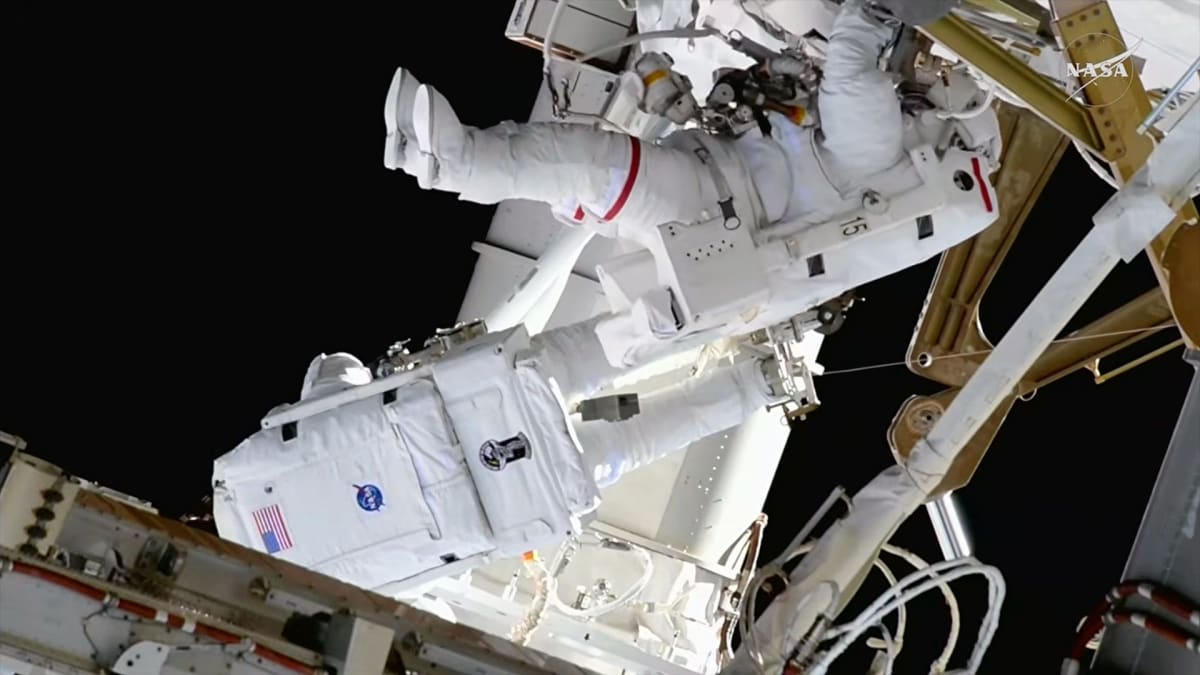
A new international crew safely launched to the International Space Station on Friday the 13th, ending a month-long shortage after NASA's first medical evacuation in 65 years. The four astronauts will spend nine months aboard while testing new medical technology for future moon and Mars missions.
Four astronauts blasted off toward the International Space Station on Friday, restoring full crew strength after a medical emergency brought colleagues home early in what became NASA's first health evacuation from orbit in over six decades.
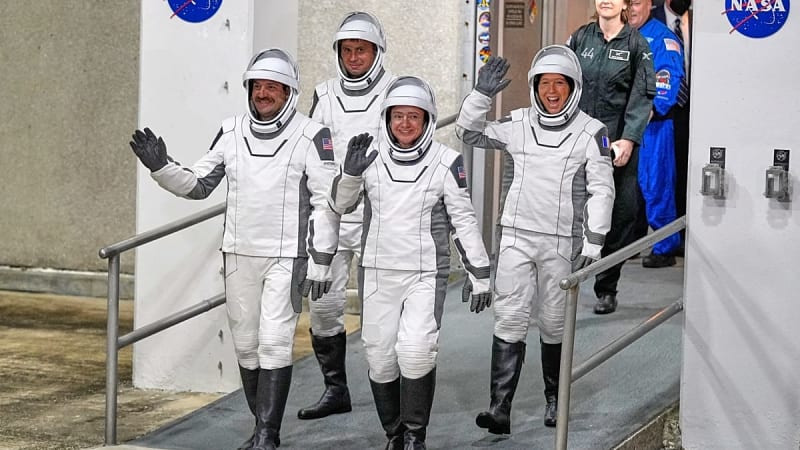
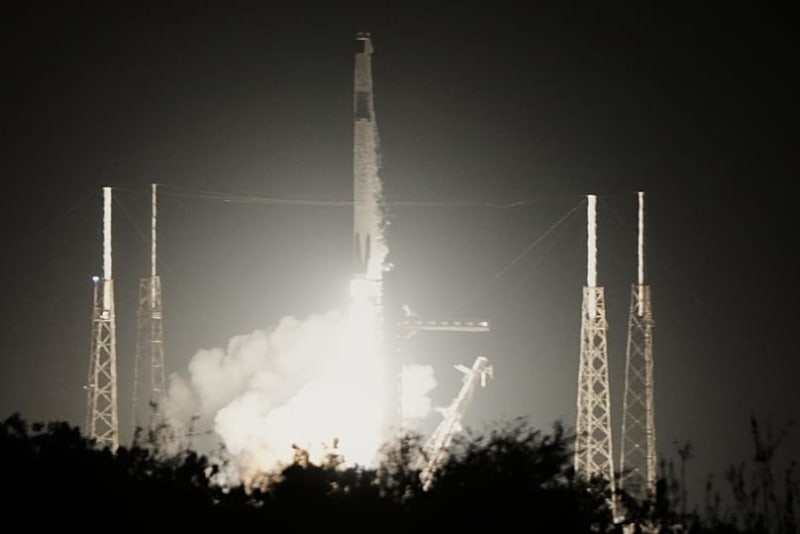
Mission commander Jessica Meir, alongside Americans Jack Hathaway, France's Sophie Adenot, and Russia's Andrei Fedyaev, launched aboard a SpaceX rocket from Cape Canaveral. They're set for an eight to nine month stay that extends through autumn.
The launch came after NASA requested an expedited mission to fill positions left vacant when four astronauts returned to Earth unexpectedly in January. All four evacuated crew members went straight to the hospital after splashing down near San Diego, though NASA hasn't revealed which astronaut fell ill or what caused the emergency.
For a month, the station operated with a skeleton crew of just three people instead of the usual seven. NASA suspended spacewalks and postponed various tasks while waiting for reinforcements to arrive.
The Ripple Effect
The medical scare is driving real improvements in space health care. The new crew will test groundbreaking technology that could save lives on future missions far from Earth.
They'll experiment with a filter that converts drinking water into emergency IV fluid. They'll also try an ultrasound system powered by artificial intelligence and augmented reality that doesn't need ground experts to interpret results. These innovations matter even more for planned moon and Mars trips, where medical evacuations won't be possible.
An onboard ultrasound machine, normally used for research, became a critical diagnostic tool during the January emergency. NASA's deputy program manager Dina Contella acknowledged that some medical situations simply require bringing astronauts home, but the agency continues upgrading equipment for longer missions ahead.
The launch carried special meaning for Adenot, only the second French woman to reach space. She was 14 when Claudie Haigneré flew to Russia's Mir station in 1996, inspiring her spaceflight dreams. Haigneré traveled to Florida to watch her protégé launch, overcome with emotion at the successful liftoff.
Just before launch, Fedyaev honored space history by leading the crew in shouting "Poyekhali," Russian for "Let's Go," the same word Yuri Gagarin used when he became the first human in space in 1961.
The crew arrives Saturday to a fully operational station, ready to push the boundaries of space medicine while keeping operations running smoothly 250 miles above Earth.
More Images



Based on reporting by Euronews
This story was written by BrightWire based on verified news reports.
Spread the positivity!
Share this good news with someone who needs it