SpaceX Starship Completes Full Mission After Recent Setbacks
After months of explosions and failed tests, SpaceX's Starship finally nailed its 10th flight, splashing down successfully and hitting every major goal. The win marks a turning point for the rocket that could eventually carry humans to Mars.
The world's most powerful rocket just proved it can still soar, even after a string of explosive failures threatened to ground SpaceX's Mars ambitions.
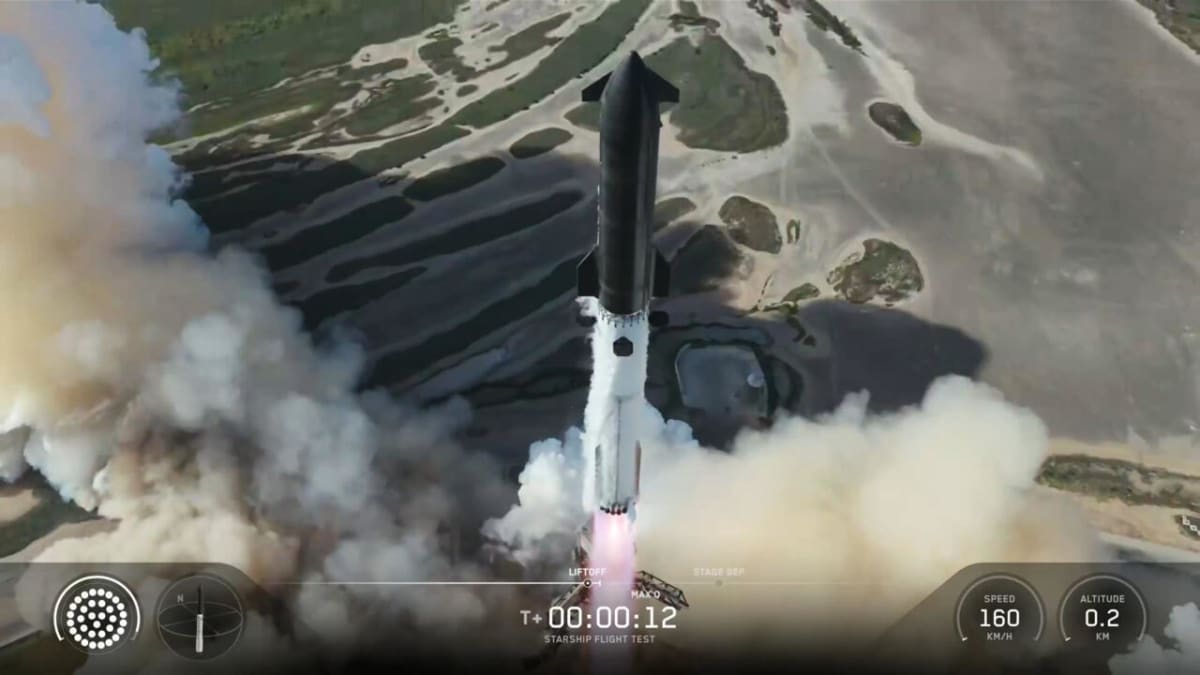
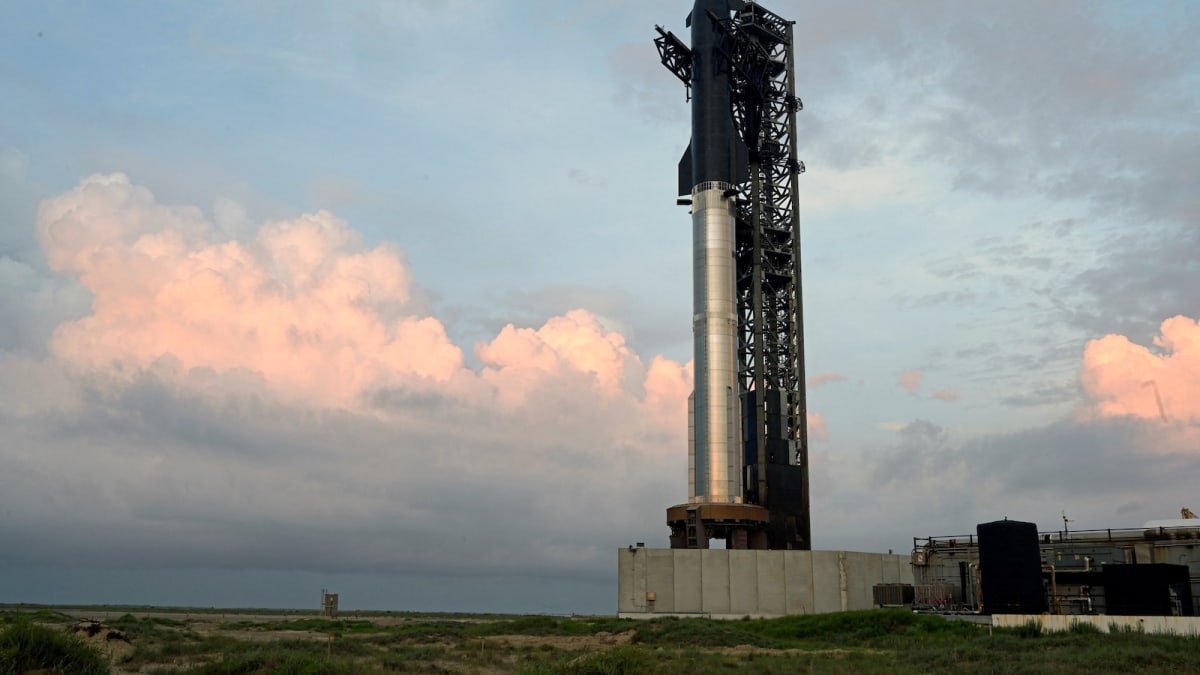
SpaceX's massive Starship completed its full mission Tuesday evening, achieving every primary objective during its 10th test flight. The 400-foot-tall stainless steel giant lifted off from South Texas at 7:30 p.m. ET, powered by 33 engines delivering over three million pounds of force.
This success comes after a brutal few months for the company. In June, a Starship exploded on the launch pad during pre-flight testing when a pressurized nitrogen tank failed. Just weeks earlier, test flight nine ended when the spacecraft experienced what SpaceX politely calls "rapid unscheduled disassembly" shortly after launch.
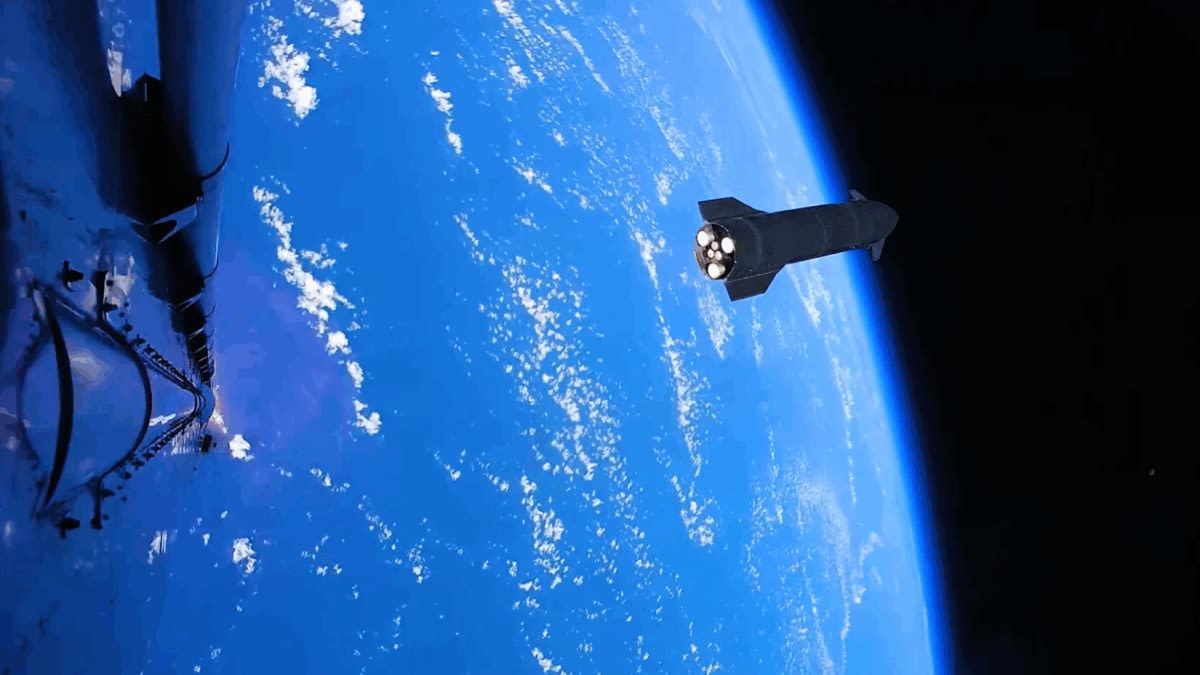
Tuesday's flight checked every box. Starship reached space, deployed simulated Starlink satellites for the first time ever, successfully relit one of its engines, and splashed down in the Indian Ocean about an hour after liftoff. These were the exact tasks it failed to complete during the previous flight.
The Super Heavy booster also made a controlled splashdown in the Gulf of Mexico, though SpaceX opted not to use the robotic "chopsticks" to catch it this time. Even after losing one engine, the booster landed as planned.
The Ripple Effect
This isn't just about one successful test. SpaceX's aggressive launch schedule, with flights just months apart, reflects an engineering philosophy of learning through doing. Each explosion teaches engineers something new, leading to rapid improvements that traditional aerospace companies take years to achieve.
NASA is watching closely. Before Starship can carry astronauts to the moon or Mars, it must prove consistent reliability through multiple successful flights. Tuesday's mission moves that timeline closer to reality.
CEO Elon Musk has been frank about the challenge. "There is a reason no fully reusable rocket has been built," he wrote on X. "It's an insanely hard problem." The vision is a spacecraft that works like an airplane, launching and landing repeatedly to make space travel routine rather than rare.
The explosion visible on camera after splashdown wasn't a failure. Starship isn't designed for water landings yet. Future missions will see it return directly to the launch pad, completing the full reusability cycle that could revolutionize space travel.
After seven months of setbacks that included debris raining over Florida and multiple launch pad incidents, SpaceX engineers implemented hardware and operational changes that clearly paid off. The company's willingness to test aggressively, fail publicly, and improve quickly sets it apart in an industry traditionally paralyzed by caution.
Tuesday's flight proves that persistence through failure can lead to breakthrough success.
More Images


Based on reporting by Google: SpaceX launch success
This story was written by BrightWire based on verified news reports.
Spread the positivity!
Share this good news with someone who needs it