SpaceX Starship Flight 13 Achieves Major Milestones
SpaceX's most powerful rocket ever successfully deployed 20 satellites and demonstrated crucial moon mission capabilities during its latest test flight. Despite a harder-than-planned booster landing, the Starship upper stage performed flawlessly through splashdown.
The world's most powerful rocket just brought humanity one step closer to returning to the moon.
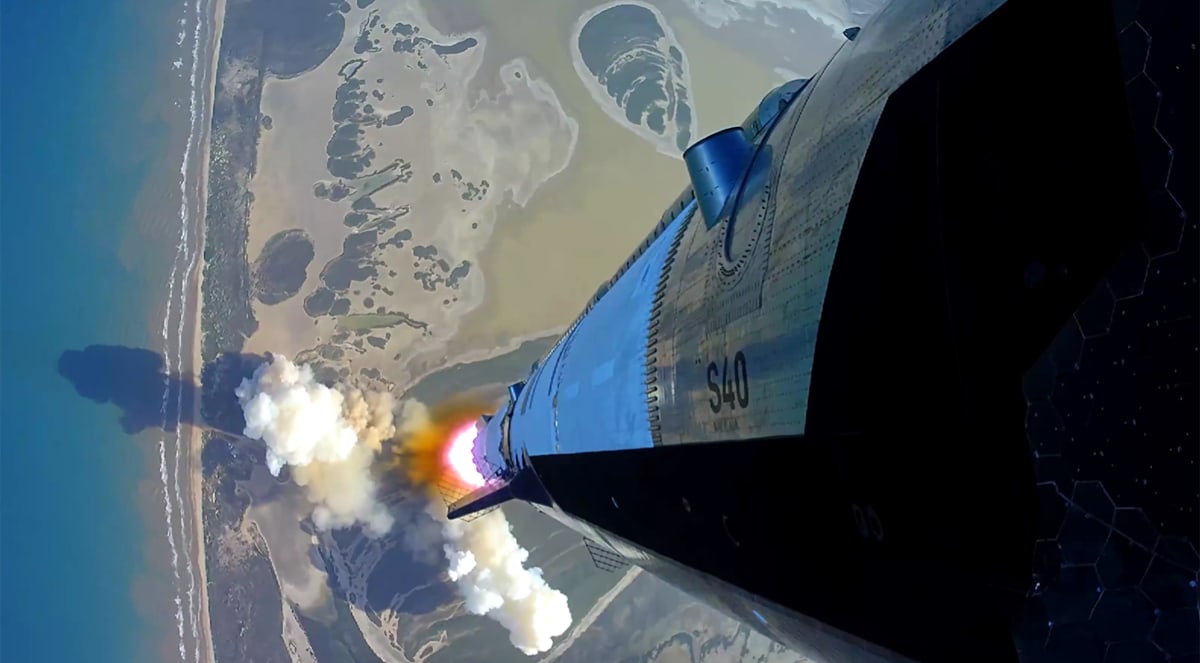
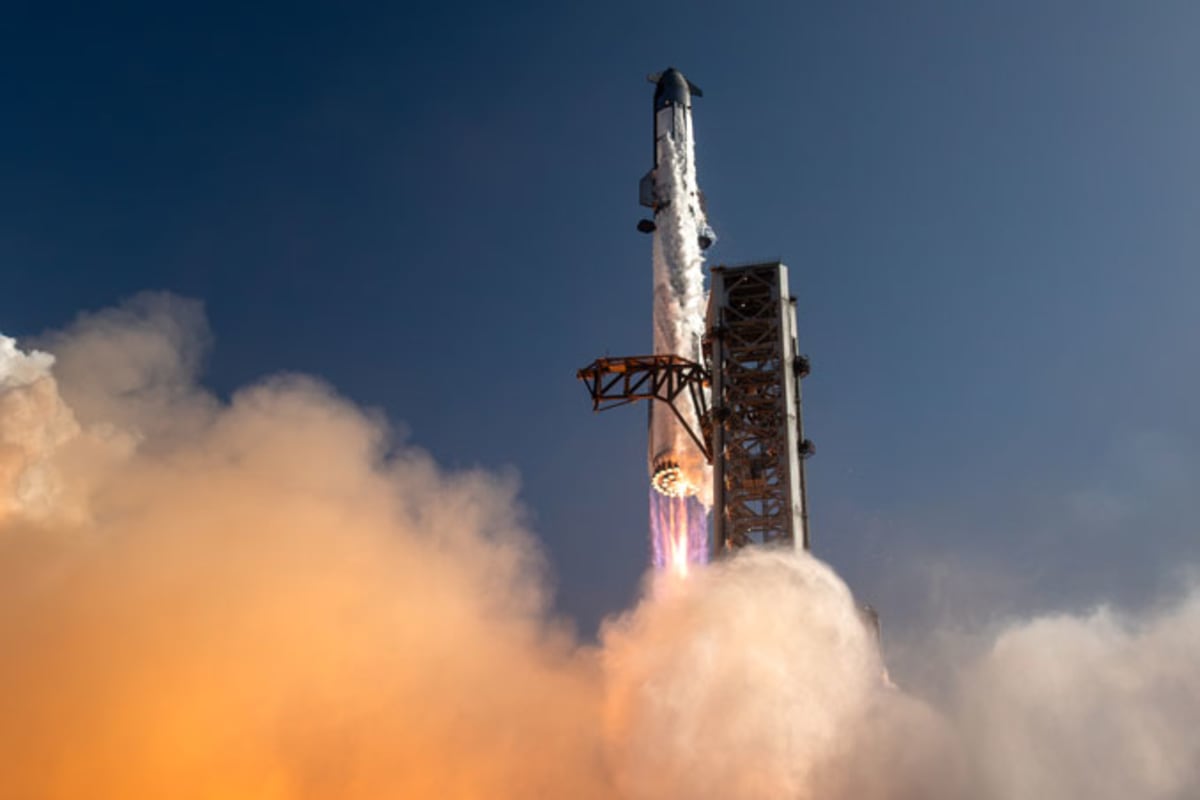
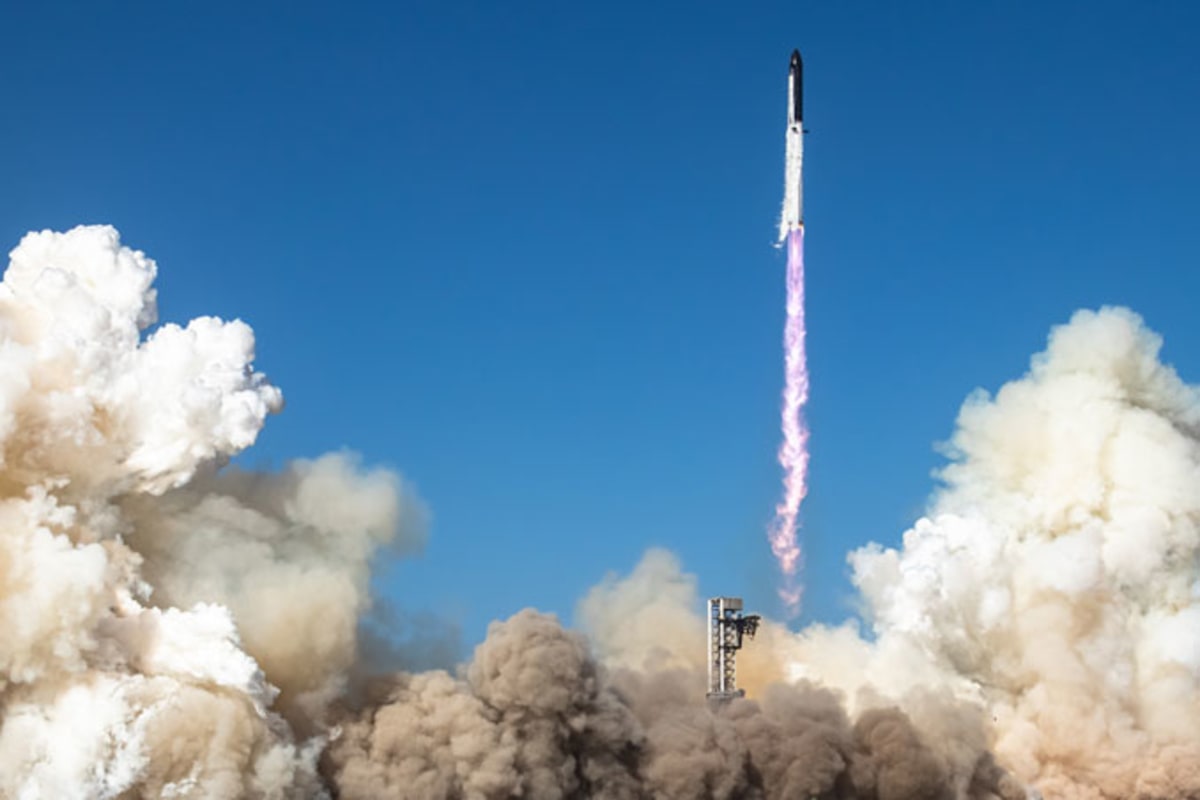
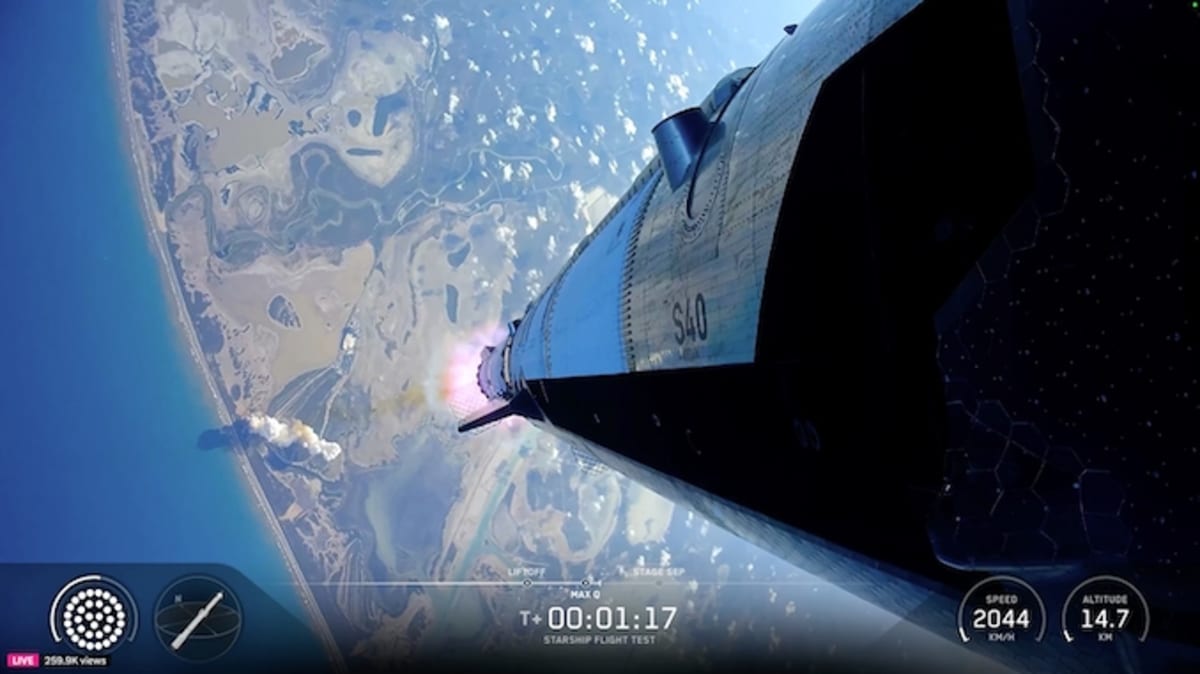
SpaceX launched its massive Starship rocket Friday from Texas, achieving several critical milestones that prove the spacecraft can handle real missions. The 407-foot-tall vehicle thundered into the sky powered by 33 engines generating 16 million pounds of thrust, delighting crowds gathered to watch.
The flight marked the second test of SpaceX's upgraded third-generation rocket. After a computer stopped a launch attempt days earlier when four engines failed to start, engineers fixed the issues and tried again under clear skies.
The rocket's upper stage performed beautifully throughout its journey. All six engines fired smoothly as it climbed to space, then the spacecraft did something it had never done before: it deployed 20 real Starlink internet satellites one by one through a slot near its nose.
Six of those satellites carried cameras pointed back at the Starship itself, capturing video of the heat shield tiles to help engineers assess the spacecraft's condition before the fiery return to Earth. This real-world test proved the rocket can actually deliver payloads, not just fly empty.
Then came another first. The Starship briefly restarted one of its engines while in space, demonstrating a capability that will be absolutely essential for future moon missions.
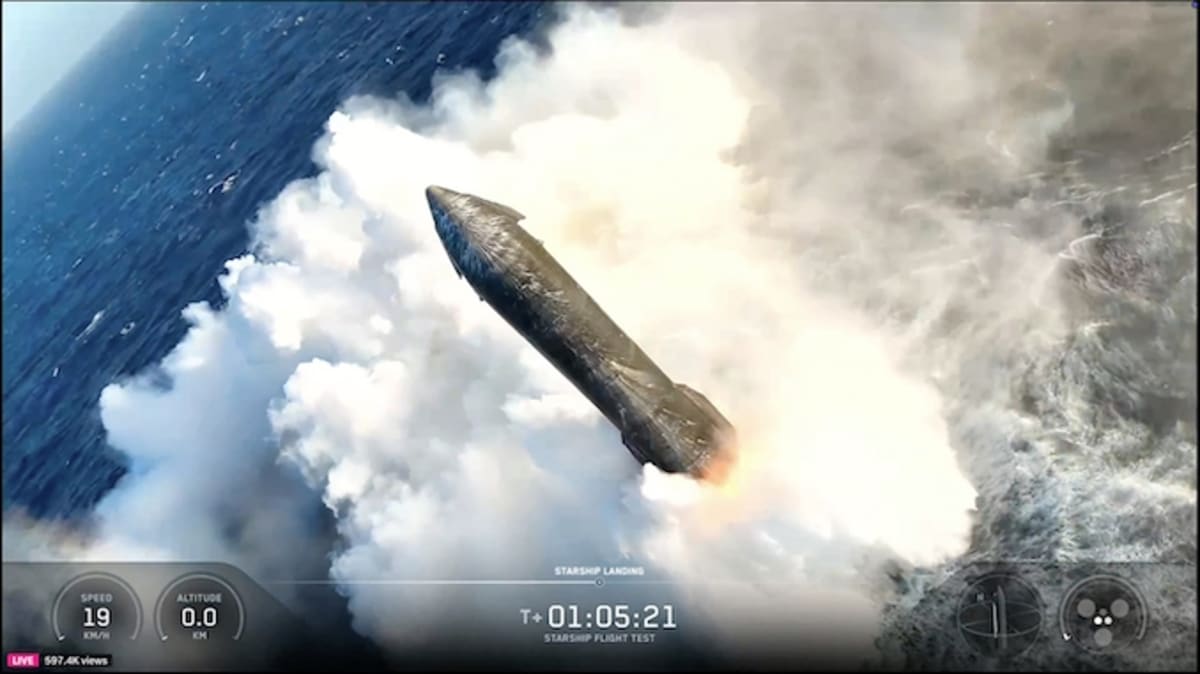
After coasting halfway around the planet, the spacecraft survived the scorching heat of reentry and touched down gently in the Indian Ocean. For the first time ever, a Starship remained completely intact after splashdown, floating peacefully on the surface with cameras still running.
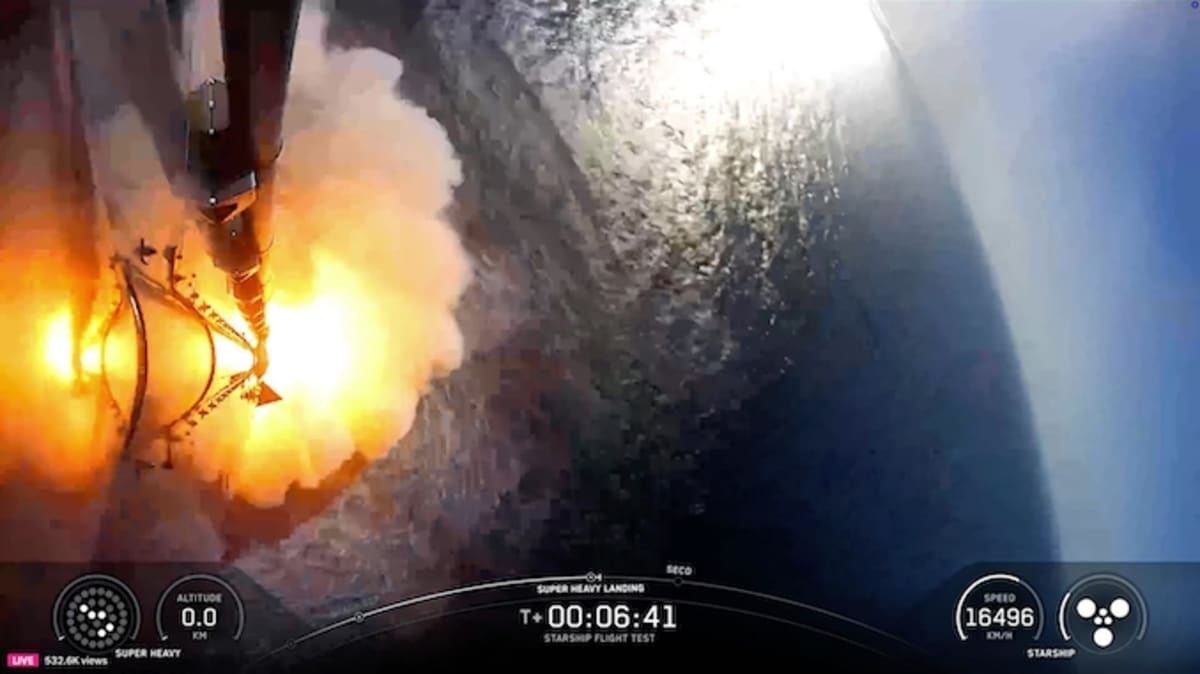
The booster stage didn't fare quite as well. Only 10 of its 13 engines restarted for the return journey, and just five were running at splashdown, causing a harder impact with the Gulf of Mexico than planned. SpaceX had wisely chosen to land this new rocket version in the water rather than attempt the dramatic "chopstick catch" at the launch tower.
The Ripple Effect
NASA is counting on Starship to land astronauts on the moon's south pole as early as 2028. The space agency plans to use a variant of this upper stage as a lunar lander, ferrying two crew members from orbit down to the surface and back.
Getting there will require SpaceX to launch up to 15 tanker flights to refuel a single lander before it heads moonward. That means the company needs to prove it can fly these rockets rapidly and reliably, which is why every test flight matters.
The successful satellite deployment and in-space engine restart prove that Starship can do more than just fly. It can work.
The pieces are coming together for humanity's return to the moon, one test flight at a time.
More Images
Based on reporting by Google News - Business
This story was written by BrightWire based on verified news reports.
Spread the positivity!
Share this good news with someone who needs it