SpaceX Starship Floats Intact After Smoothest Ocean Landing
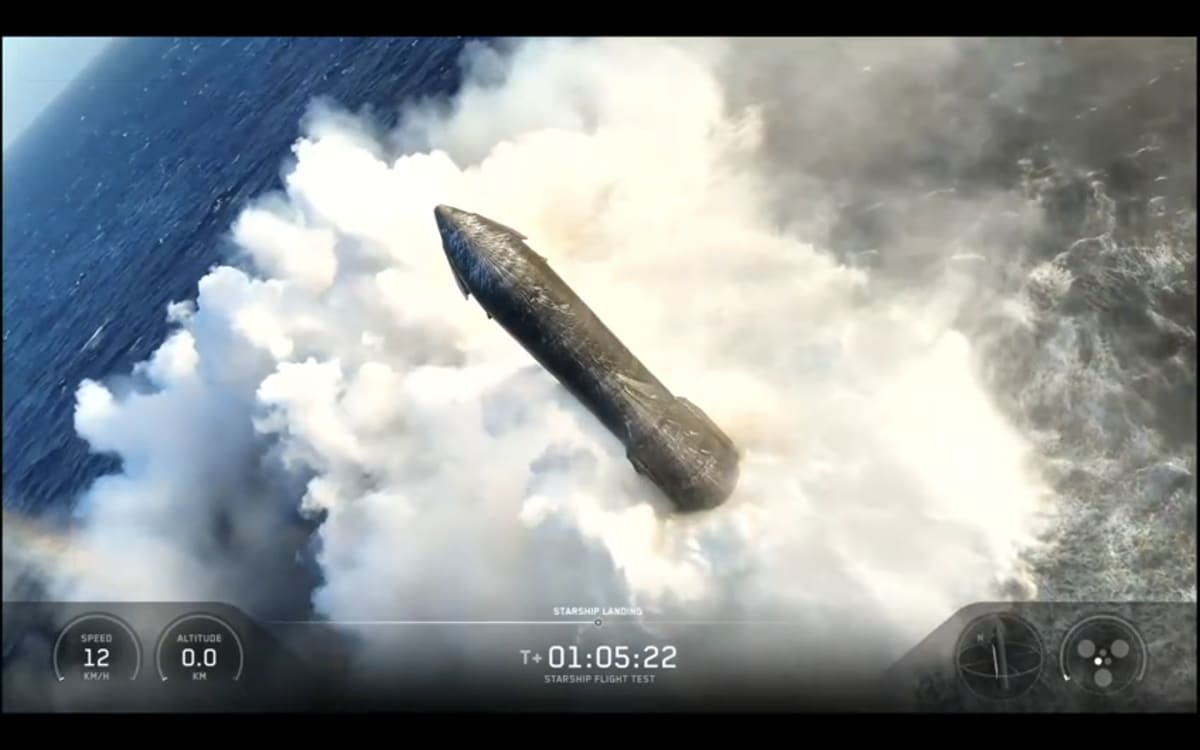
For the first time ever, SpaceX's massive Starship rocket survived a water landing, bobbing upright in the Indian Ocean while still transmitting data. The Flight 13 test also successfully deployed 20 next-generation internet satellites and proved a crucial engine restart capability.
A rocket the size of a 40-story building just survived what no Starship has before: a gentle ocean landing that left it floating and fully intact.
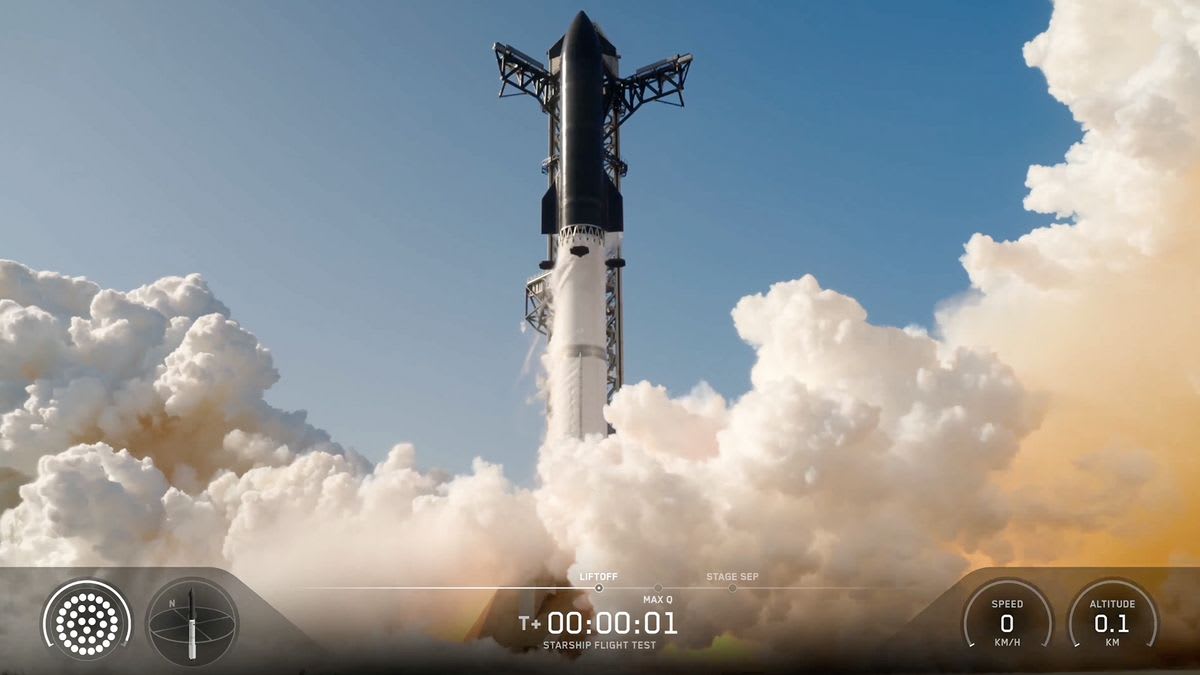
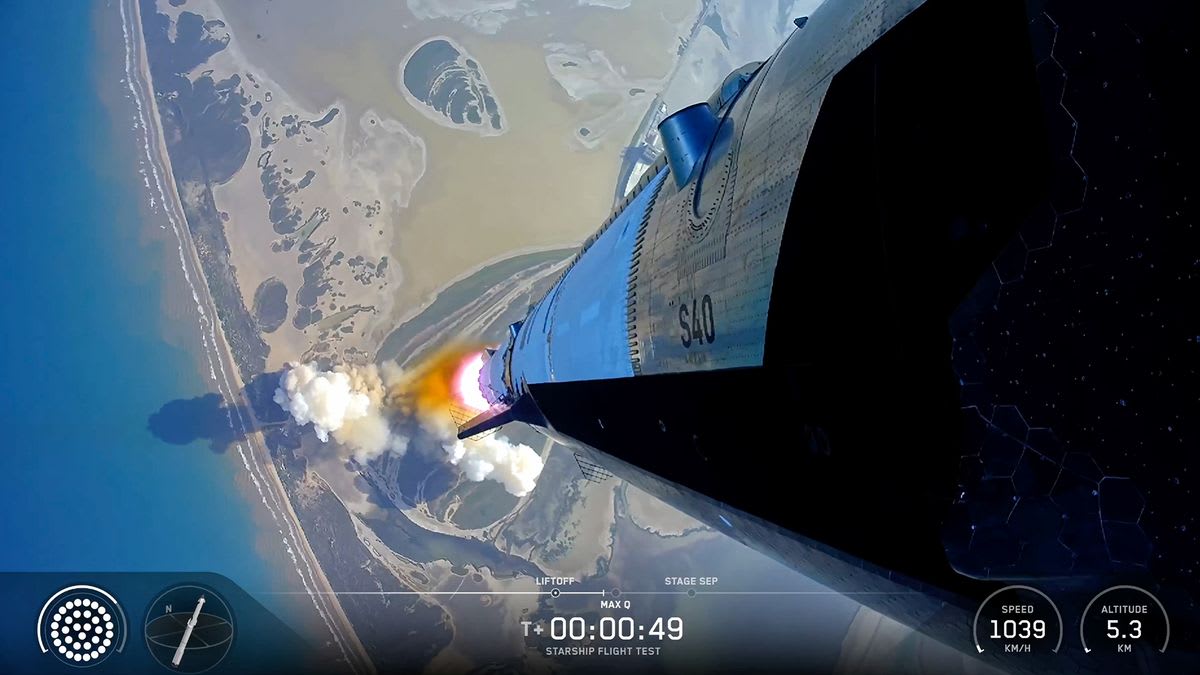
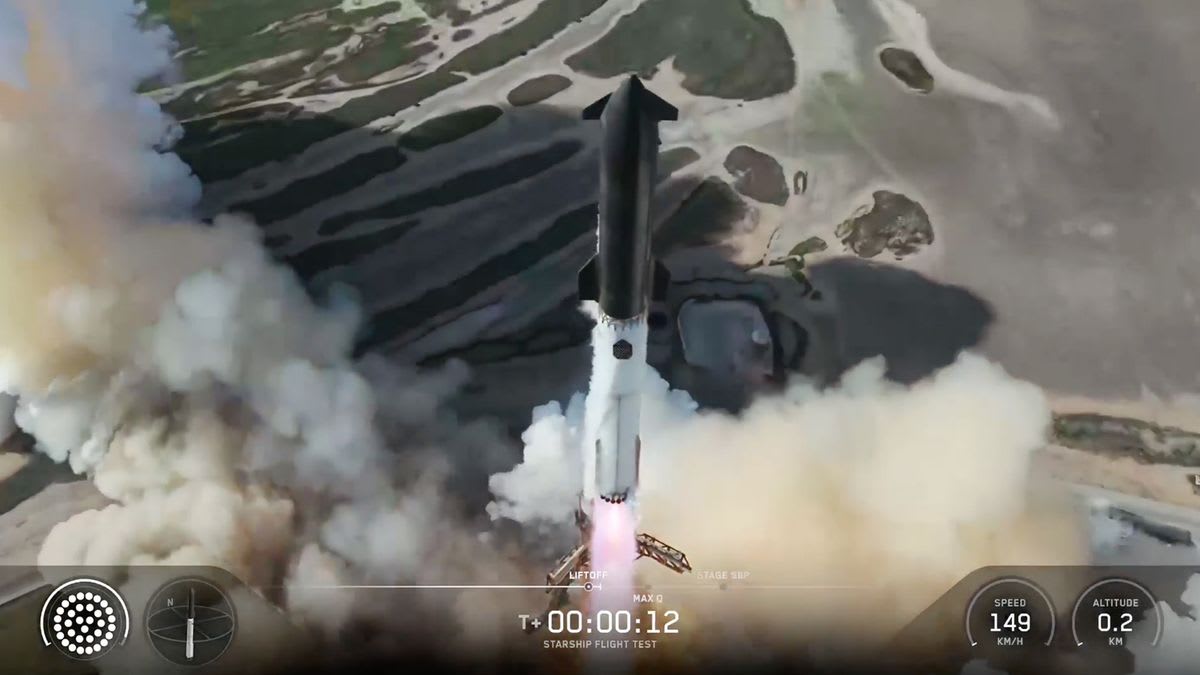
SpaceX's Flight 13 test launched from South Texas on July 24, sending the world's most powerful rocket on a journey that ended with its upper stage bobbing belly-up in the Indian Ocean, still beaming back data. "Starship is intact, floating in the ocean and transmitting telemetry!" CEO Elon Musk posted, capturing a moment that stunned even SpaceX's own teams.
The achievement marks a major leap forward for the massive rocket system designed to eventually carry humans to Mars. Previous Starships typically exploded after tipping over in the water, making this calm splashdown a first in the program's history.
The hour-long test flight packed in several victories despite a rocky moment when the Super Heavy booster hit the Gulf of Mexico harder than planned. Only five of its 13 landing engines fired during descent, causing a rough splashdown that cut camera feeds.
But the upper stage more than made up for it. During its journey, Starship deployed 20 cutting-edge Starlink Version 3 satellites through a slot in its side like a giant dispenser. These flat, laser-equipped satellites represent the next generation of SpaceX's internet constellation, with each Starship eventually capable of launching 60 at once.
The spacecraft then checked off another critical milestone: successfully restarting one of its six Raptor engines in flight. This capability is essential for future missions that will need to maneuver in and out of Earth's orbit.
Cameras captured breathtaking footage of Starship wrapped in superheated plasma during reentry, glowing orange and pink as it screamed back through the atmosphere. The vehicle executed its landing flip using three engines, then two, then one before gently settling onto the waves.
Why This Inspires
What makes this test so remarkable isn't just the technical achievement. It's watching a team push boundaries and celebrate progress even when things don't go perfectly. The booster landing went wrong, yet the mission continued and delivered wins that matter.
SpaceX teams erupted in cheers when they realized Starship was floating peacefully instead of exploding on contact. Recovery crews will now retrieve the intact spacecraft from the ocean, gathering precious data on heat shields, engines, and systems that survived the journey.
This floating Starship represents more than engineering success—it's proof that even the boldest spacefaring dreams are getting closer to reality, one splashdown at a time.
More Images

Based on reporting by Space.com
This story was written by BrightWire based on verified news reports.
Spread the positivity!
Share this good news with someone who needs it