SpaceX Vet to Test Water-Powered Rocket in Space This Fall
A former SpaceX engineer is launching a satellite in October to prove water can power rockets, turning science fiction into reality. If successful, the breakthrough could help future astronauts refuel on the Moon or Mars for their journey home.
Imagine running out of gas on Mars and simply filling up with water from the local ice cap. That future just got a lot closer to reality.
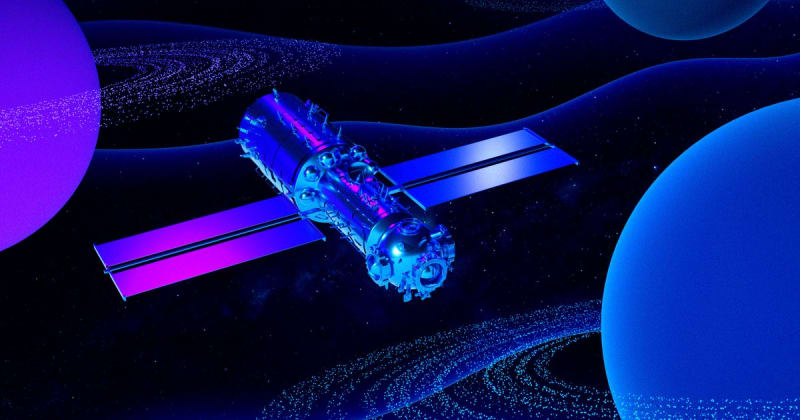
Former SpaceX engineer Halen Mattison and his startup General Galactic are launching a groundbreaking experiment this October. Their 1,100-pound satellite will ride a Falcon 9 rocket into orbit to test whether plain water can actually power spacecraft.
The concept sounds simple but the execution is brilliant. The team will split water into hydrogen and oxygen through electrolysis, then burn the hydrogen gas to create powerful bursts of thrust. In a second experiment, they'll turn oxygen into plasma using electrical current for steadier, longer-lasting propulsion.
Scientists have dreamed about this for decades. The frozen water sitting on the Moon and Mars could become cosmic gas stations, allowing astronauts to refuel without hauling heavy fuel from Earth. Every gallon of fuel launched from our planet costs thousands of dollars, so making fuel on location would slash mission costs dramatically.
The timing couldn't be better. As humanity plans return trips to the Moon and eventual Mars missions, solving the fuel problem becomes critical. Nobody wants to be stranded millions of miles from home with empty tanks.
The technology also has earthbound applications. US satellites are being closely tracked by Chinese and Russian spacecraft, and water-based propulsion could give American space assets the ability to quickly maneuver away from threats or reposition themselves.
The Bright Side
Sure, plenty of challenges remain. Ionized oxygen might corrode electronics, and the electrolysis equipment adds weight that could offset fuel savings. Scientists are rightfully skeptical, asking tough questions before declaring victory.
But that healthy skepticism hasn't stopped progress. Researchers worldwide are already developing ways to extract water from lunar regolith and Martian rocks. Mattison's October test will provide real data from actual space conditions, moving the concept from theory to practice.
Even if this first attempt faces setbacks, the mission represents exactly the kind of innovative thinking space exploration needs. Every breakthrough starts with someone willing to test a bold idea, and General Galactic is putting their technology where their ambitions are.
The beauty of this approach is its elegance. Water is everywhere in our solar system, frozen in shadowy craters and locked inside rocks. Learning to use it as fuel transforms a simple molecule into humanity's ticket to becoming a true spacefaring civilization.
More Images
Based on reporting by Futurism
This story was written by BrightWire based on verified news reports.
Spread the positivity!
Share this good news with someone who needs it