Spain and Denmark Could Produce €2/kg Green Hydrogen
Two European nations are teaming up to crack the code on affordable clean energy, combining sunny Spanish solar with Danish offshore wind power. Their groundbreaking partnership could supply massive amounts of green hydrogen across Europe for around €2 per kilogram.
Europe just got a blueprint for affordable clean energy that doesn't rely on fossil fuels.
Researchers have discovered that Spain and Denmark make the perfect renewable energy power couple. By combining Spain's abundant solar generation with Denmark's powerful offshore wind farms, the two countries could produce green hydrogen at competitive prices while supplying up to 100 terawatt hours annually to European markets.
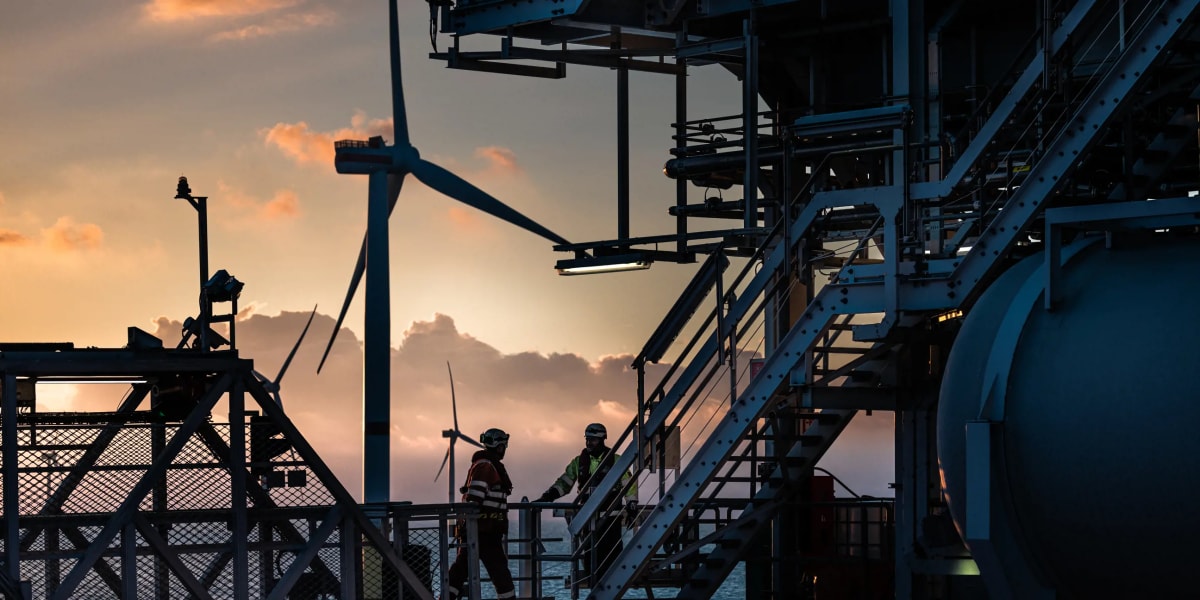
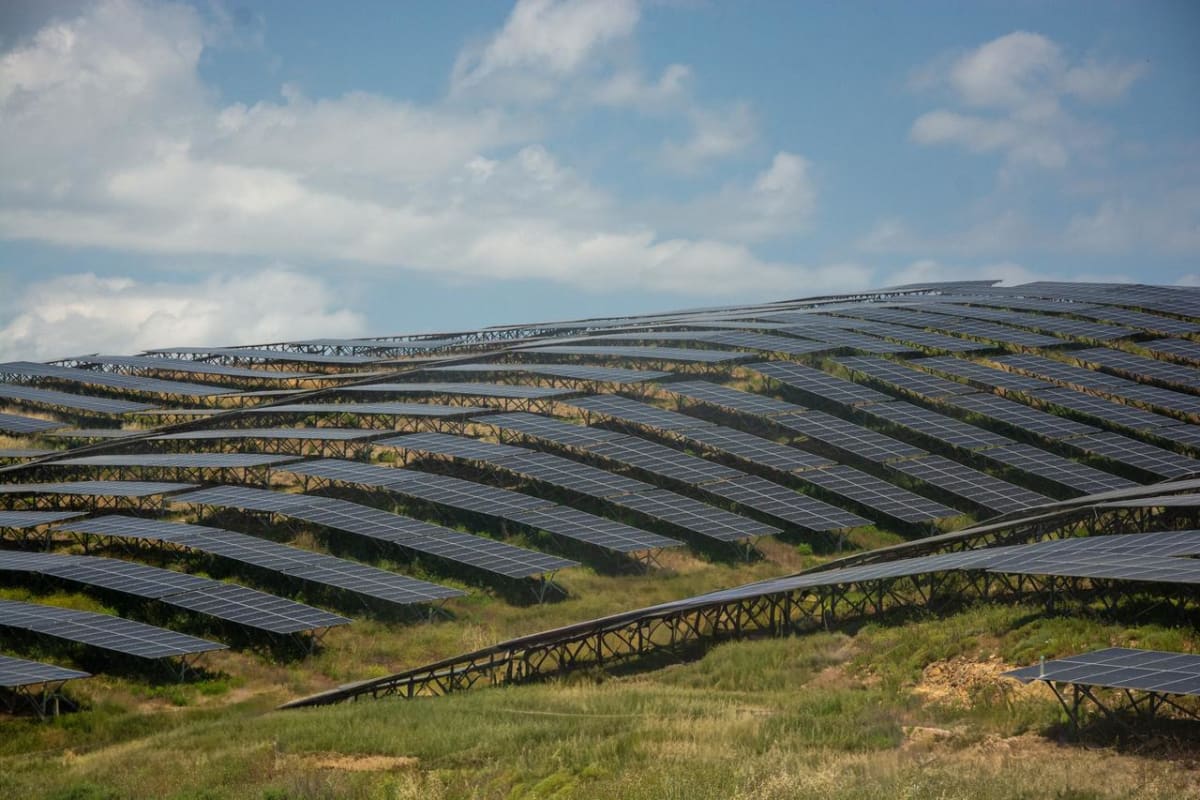
The secret lies in their complementary weather patterns. Spanish solar panels produce maximum energy during summer days, while Danish offshore wind turbines deliver steady power year-round with peak output in winter. Together, they smooth out the seasonal ups and downs that typically make renewable energy storage expensive and complicated.
An international research team built a detailed computer model using six years of weather and energy data to find the sweet spot. They optimized everything from production and storage to export costs, creating systems that work completely off-grid without backup electricity imports.
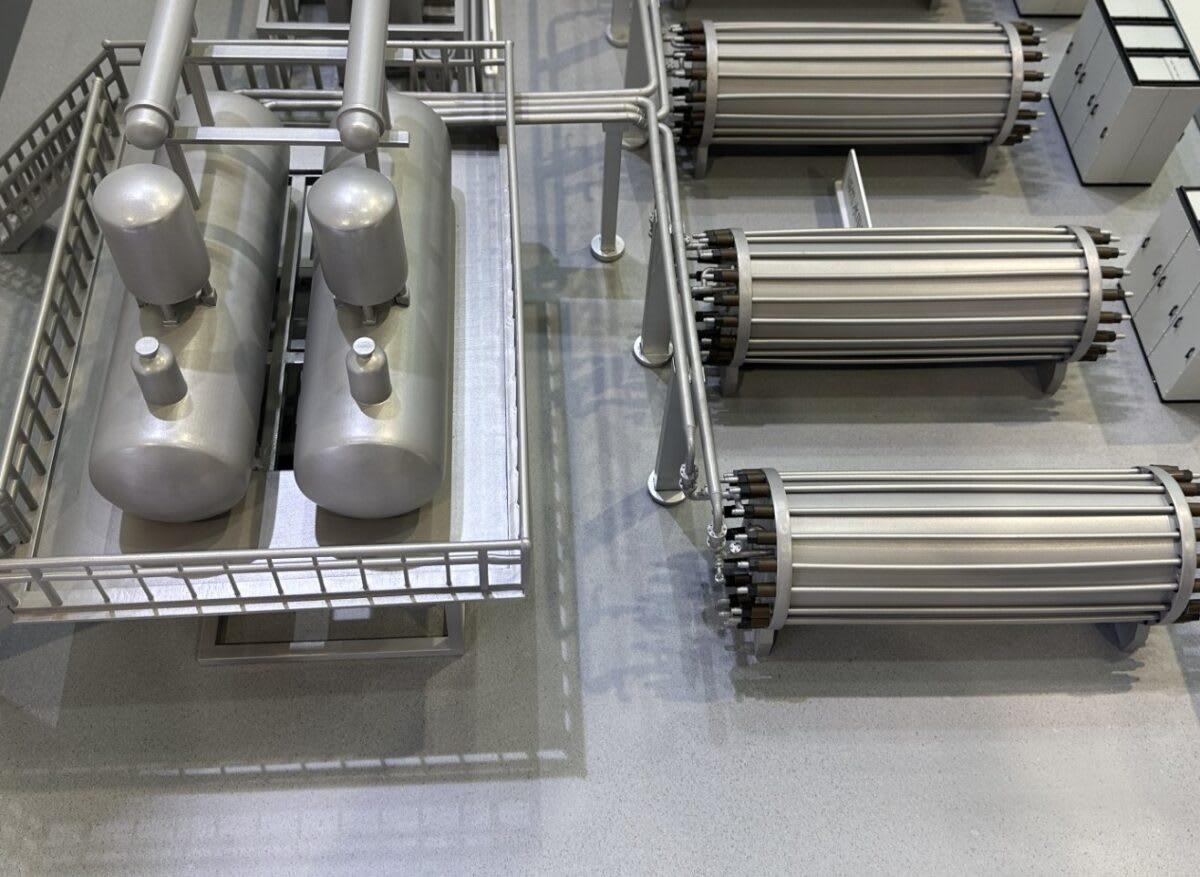
The results are promising. Both countries could produce hydrogen for roughly €2.15 per kilogram using liquid organic hydrogen carrier systems, which store hydrogen in special liquids at normal temperature and pressure. Salt caverns also performed well at around €2.30 per kilogram, while traditional pressurized tanks proved too expensive at over €6.70 per kilogram.
Storage technology emerged as the game changer. The study found that how you store hydrogen matters more than where you produce it, opening doors for countries without perfect geology for underground storage.
Denmark plans to deploy between 4 and 6 gigawatts of electrolysis capacity by 2030. Spain brings solar yields exceeding 1.7 megawatt hours per kilowatt annually. Combined, they address a critical European challenge: renewable energy potential sits far from where hydrogen demand will be highest.
The Ripple Effect
This partnership model could reshape how Europe thinks about energy independence. Instead of countries competing to build isolated hydrogen infrastructure, the research shows cooperation produces better economics and more reliable supply.
The findings suggest other nations with complementary renewable profiles could follow the same playbook. Coastal wind powerhouses could team up with sun-rich southern regions, creating an integrated network of clean energy corridors across the continent.
The researchers caution that equipment costs and regulatory uncertainty could swing final prices by over 30 percent. They emphasize the need for stable policies, coordinated European investments, and long-term support frameworks to make these corridors reality.
The study appears in Energy Conversion and Management, offering detailed technical guidance for policymakers ready to move beyond pilot projects. With both countries already investing heavily in renewable infrastructure, the theoretical partnership could become operational within years rather than decades.
Europe's clean energy future might not depend on any single country going it alone but on smart nations working together where sunshine meets sea wind.
More Images
Based on reporting by PV Magazine
This story was written by BrightWire based on verified news reports.
Spread the positivity!
Share this good news with someone who needs it