
Spain Grants Legal Status to 43,000 Migrants in 3 Days
Nearly 43,000 people applied for legal status in Spain during the program's first three days, part of a groundbreaking amnesty that could help up to 500,000 immigrants. The country is choosing welcome over walls while most of Europe tightens its borders.
Spain just opened its doors wider, and tens of thousands of people are stepping through into a more secure future.
Nearly 43,000 immigrants submitted applications in just the first three days of Spain's new amnesty program, which launched last week. The initiative offers people living in Spain without legal authorization a chance to gain a renewable one-year residence permit if they've been in the country for five months and have a clean record.
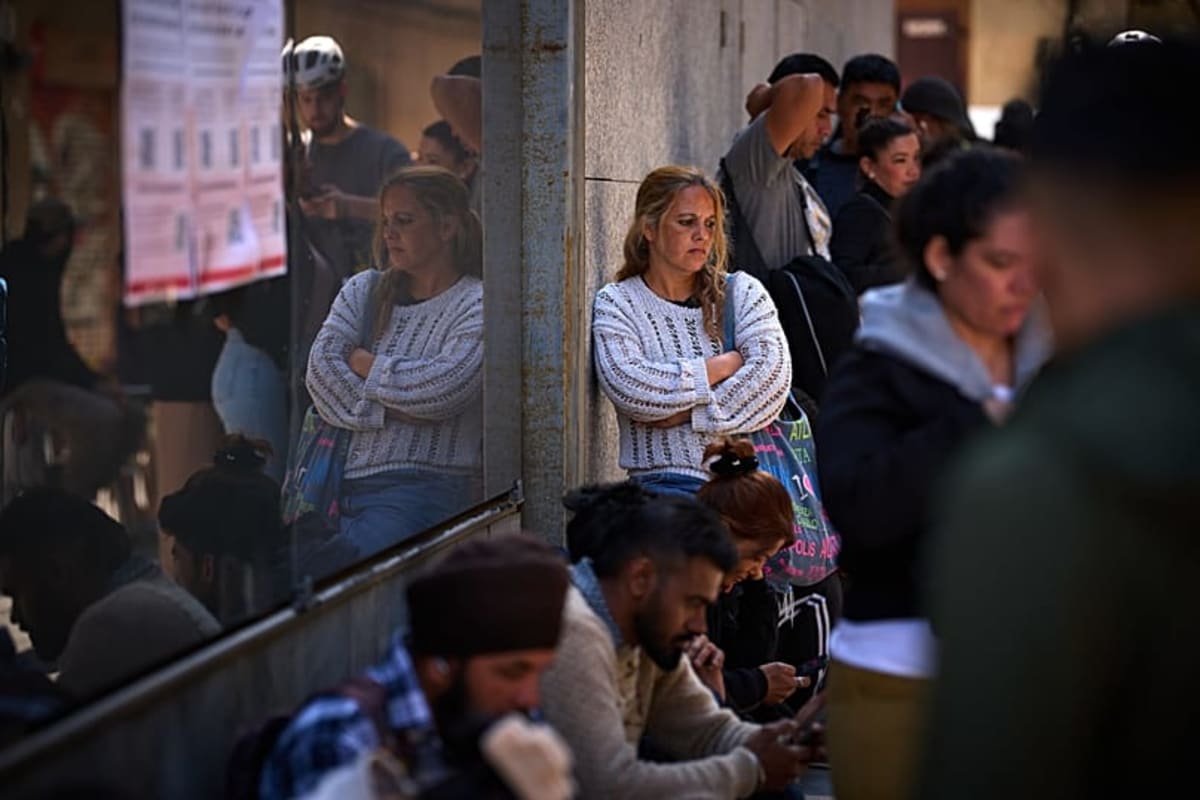
The response has been overwhelming. Over 370 post offices across the country opened their doors to applicants, with people lining up in Madrid and Barcelona to finally step out of the shadows.
"It's what we want," said Johana Moreno, a Venezuelan woman who now works cleaning homes after arriving in Spain. "To be well, to work, to contribute, all those things. To pay our taxes."
Prime Minister Pedro Sánchez calls the measure "an act of justice and a necessity." With Spain's population aging rapidly, the country needs more workers to fuel its growing economy and support its social security system.
The program stands in stark contrast to the rest of Europe, where most governments are trying to reduce immigration and increase deportations. Spain is betting that bringing people into the system rather than pushing them out creates prosperity for everyone.
The Ripple Effect
Spain's approach isn't just about compassion. It's about economics that work for real people.
Key sectors like agriculture, tourism and services already depend heavily on workers from Latin America and Africa. By bringing these workers into the legal system, Spain gains taxpayers who contribute to social security while immigrants gain protection, rights and stability.
The program has support from both business owners and unions, a rare moment of agreement that shows how practical solutions can unite different groups. Around one in five Spanish residents was born outside the country, and this program acknowledges that reality rather than fighting it.
Spain has done this before, granting similar amnesties six times between 1986 and 2005, even under conservative governments. Each time, the economy benefited from workers who could contribute openly.
Nubia Rivas, a 47-year-old Venezuelan, described her application process as simple despite some waiting time. "The process here is a little slow, but it's fluid," she said after filing at a Madrid post office.
The program runs until the end of June, giving people time to gather documents and make appointments. Spain is showing Europe that opening doors doesn't mean losing control, and that welcoming people who are already contributing can strengthen a nation rather than weaken it.
More Images

Based on reporting by Euronews
This story was written by BrightWire based on verified news reports.
Spread the positivity!
Share this good news with someone who needs it